
POCO is leading a wider trend where affordable phones are growing up. Detailed reviews from sources like 91mobiles confirm that slim profiles and refined materials are becoming the new baseline expectation. Will other budget manufacturers follow POCO’s lead, or will competitors double down on gamer flash?
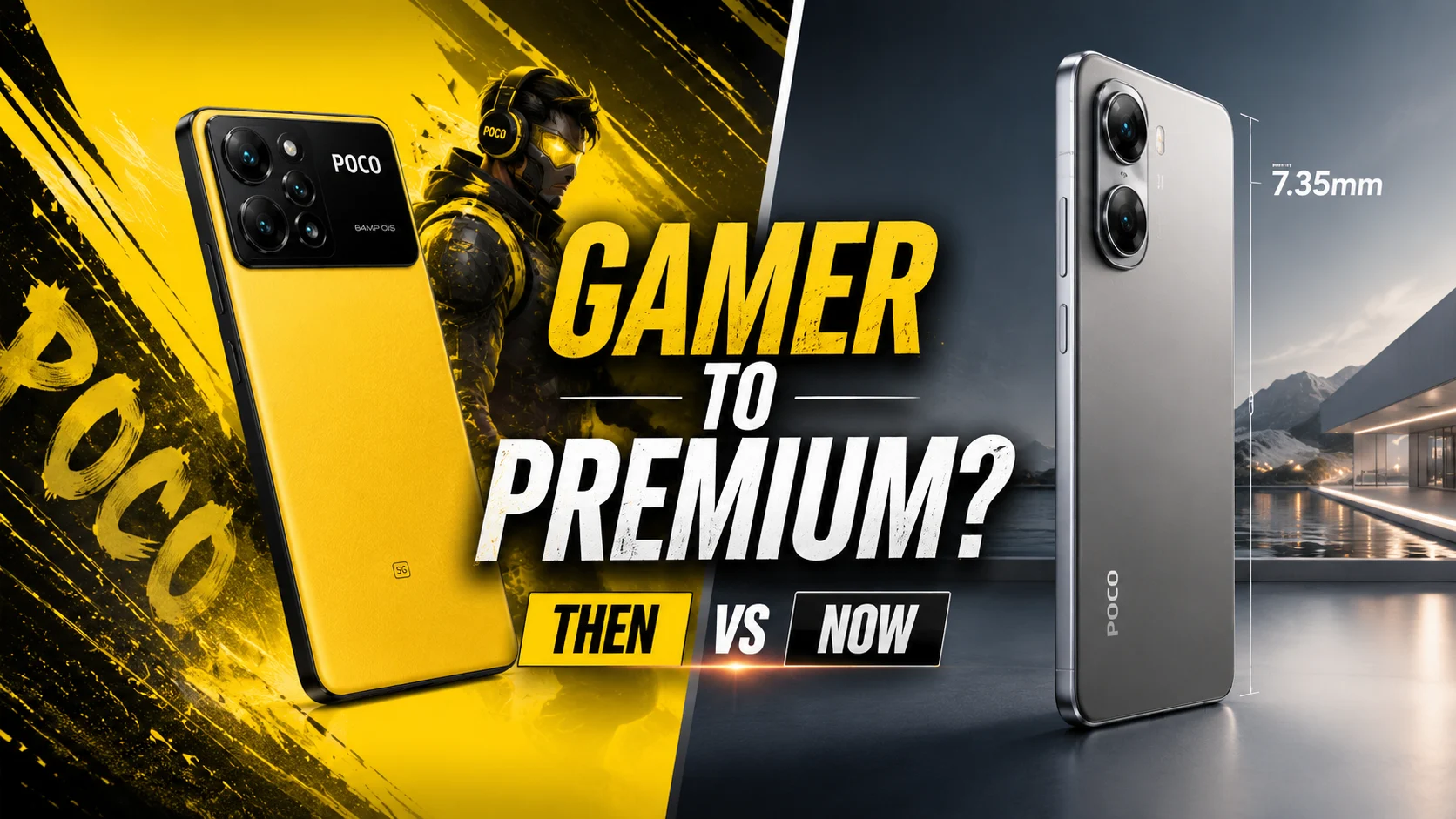
POCO is completely shattering its loud, yellow gamer persona to target mature everyday phone buyers. With a razor-thin 7.35mm body and 6 full years of software support, why is the iconic budget brand abandoning its signature look right now? The market is shifting rapidly, and budget shoppers are demanding long-term reliability over aggressive RGB flash.
With devices like the new POCO M8 5G, the company is committing to 4 major Android updates and 6 years of security patches while keeping weight at just 178 grams. But is this massive shift a genius strategic evolution, or a dangerous gamble that erases what made POCO unique in the first place?
Why POCO’s Signature Look Mattered
For years, POCO dominated the entry-level market by screaming visual confidence. Bright yellow backs, oversized camera islands, and gaming-heavy marketing instantly set its phones apart on store shelves.
- Instant Recognition: Younger buyers recognized POCO yellow from a mile away.
- Aggressive Specs: High refresh rates were paired with loud, energetic styling.
- Gamer Pride: Users felt like they were holding a dedicated gaming rig rather than a plain budget slab.
However, visual flair alone is no longer enough to win over value-conscious buyers. What once felt bold and youthful now risks feeling cheap and dated.
What Changed Visually: Before vs. Now
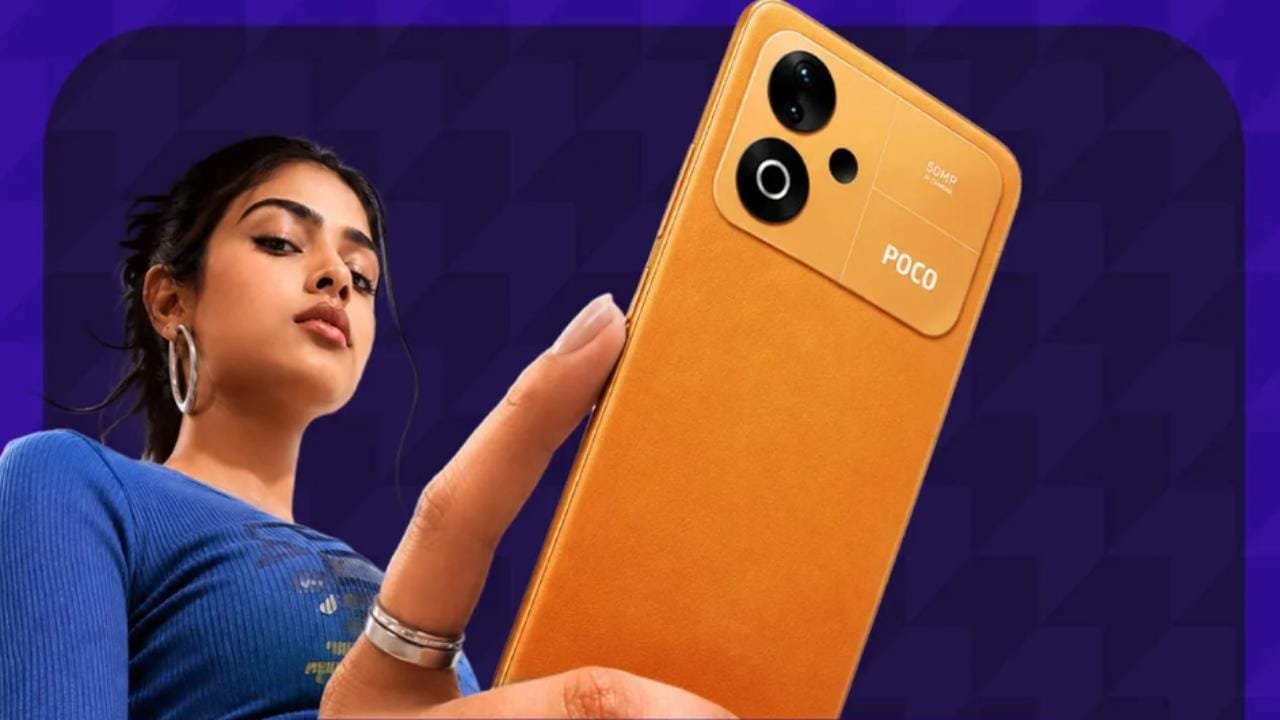
The latest releases trade neon accents for minimalist curves and sleek ergonomics. Instead of heavy, chunky plastic bodies, modern POCO hardware features 3D-curved displays and subtle matte finishes.
| Old POCO Identity | New POCO Direction |
|---|---|
| Bright yellow gamer energy | Muted, ultra-slim palette (7.35mm) |
| Loud visual logos | Minimal, clean design language |
| Youth-first gaming focus | Broader, everyday budget appeal |
| Short software lifecycles | 6 years of security updates |
Can a budget brand truly command respect without relying on flashy tricks? What once screamed “gamer” now quietly whispers “flagship premium”.
More Power, More Entertainment, More Binge.
— POCO India (@IndiaPOCO) July 27, 2026
Get ready for the #POCOM8Power. With a Massive 8000mAh Battery for up to 3 days of power and an Immersive AMOLED Display, so every stream, game and scroll feels uninterrupted.
Launching on 4th Aug | 12pm.#M8Power #PowerYourBinge pic.twitter.com/3ipbcWWjal
Why the Strategy Shifted to Long-Term Value
Market logic is forcing a total rethink across the entire smartphone industry. Consumers are holding onto their devices far longer, making durability and software support far more vital than temporary cosmetic gimmicks.
“Budget brands are no longer competing only on specs; they’re competing on trust, longevity, and how premium the device feels in daily use.”
Key drivers behind this strategic overhaul include:
- Practical Buyer Demands: Shoppers want devices that look natural in a professional workplace.
- Built-In Longevity: Hardware like Gorilla Glass 7i and MIL-STD-810H certification ensures physical protection.
- Ecosystem Integration: Software like Xiaomi HyperOS ties budget hardware into broader smart home ecosystems.
What 6-Year Software Support Signals
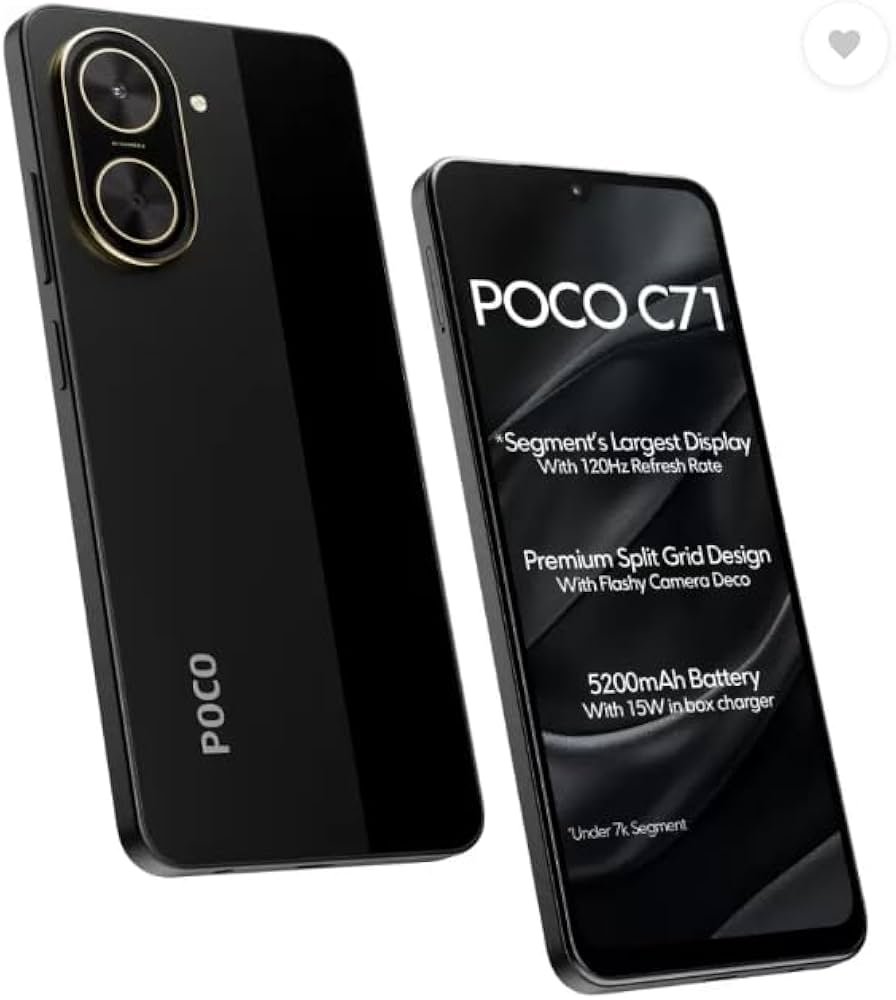
Offering 6 years of security updates on an affordable device is an extraordinary move. It signals that POCO is transitioning from quick-turnaround budget sales to building long-term brand equity.
According to official device listings on Xiaomi Global and detailed coverage on Beebom Gadgets, this extended lifecycle puts budget hardware on par with premium flagships.
- Sustained Security: Long-term protection against emerging Android vulnerabilities.
- Resale Protection: Better software health means phones retain value far longer.
- Higher Confidence: Buyers can skip upgrading every 2 years without missing out on core features.
The real surprise isn’t just the physical redesign—it’s what this design reveals about POCO’s ambitious market goals.
Who Wins and Who Loses?
This transformation creates clear winners and losers across POCO’s customer base.
Winners:
- Value Seekers: Get flagship-style 120Hz curved AMOLED displays at a fraction of the cost.
- Long-Term Users: Enjoy software security through Android 19.
Losers:
- Hardcore RGB Fans: Miss the bold, aggressive gamer aesthetics.
- Niche Collector Loyalty: The iconic yellow branding won’t be defining every headline anymore.
The Bigger Industry Trend
POCO is leading a wider trend where affordable phones are growing up. Detailed reviews from sources like 91mobiles confirm that slim profiles and refined materials are becoming the new baseline expectation. Will other budget manufacturers follow POCO’s lead, or will competitors double down on gamer flash?
POCO is completely shattering its loud, yellow gamer persona to target mature everyday phone buyers. With a razor-thin 7.35mm body and 6 full years of software support, why is the iconic budget brand abandoning its signature look right now? The market is shifting rapidly, and budget shoppers are demanding long-term reliability over aggressive RGB flash.
With devices like the new POCO M8 5G, the company is committing to 4 major Android updates and 6 years of security patches while keeping weight at just 178 grams. But is this massive shift a genius strategic evolution, or a dangerous gamble that erases what made POCO unique in the first place?
Why POCO’s Signature Look Mattered
For years, POCO dominated the entry-level market by screaming visual confidence. Bright yellow backs, oversized camera islands, and gaming-heavy marketing instantly set its phones apart on store shelves.
- Instant Recognition: Younger buyers recognized POCO yellow from a mile away.
- Aggressive Specs: High refresh rates were paired with loud, energetic styling.
- Gamer Pride: Users felt like they were holding a dedicated gaming rig rather than a plain budget slab.
However, visual flair alone is no longer enough to win over value-conscious buyers. What once felt bold and youthful now risks feeling cheap and dated.
What Changed Visually: Before vs. Now
The latest releases trade neon accents for minimalist curves and sleek ergonomics. Instead of heavy, chunky plastic bodies, modern POCO hardware features 3D-curved displays and subtle matte finishes.
| Old POCO Identity | New POCO Direction |
|---|---|
| Bright yellow gamer energy | Muted, ultra-slim palette (7.35mm) |
| Loud visual logos | Minimal, clean design language |
| Youth-first gaming focus | Broader, everyday budget appeal |
| Short software lifecycles | 6 years of security updates |
Can a budget brand truly command respect without relying on flashy tricks? What once screamed “gamer” now quietly whispers “flagship premium”.
More Power, More Entertainment, More Binge.
— POCO India (@IndiaPOCO) July 27, 2026
Get ready for the #POCOM8Power. With a Massive 8000mAh Battery for up to 3 days of power and an Immersive AMOLED Display, so every stream, game and scroll feels uninterrupted.
Launching on 4th Aug | 12pm.#M8Power #PowerYourBinge pic.twitter.com/3ipbcWWjal
Why the Strategy Shifted to Long-Term Value
Market logic is forcing a total rethink across the entire smartphone industry. Consumers are holding onto their devices far longer, making durability and software support far more vital than temporary cosmetic gimmicks.
“Budget brands are no longer competing only on specs; they’re competing on trust, longevity, and how premium the device feels in daily use.”
Key drivers behind this strategic overhaul include:
- Practical Buyer Demands: Shoppers want devices that look natural in a professional workplace.
- Built-In Longevity: Hardware like Gorilla Glass 7i and MIL-STD-810H certification ensures physical protection.
- Ecosystem Integration: Software like Xiaomi HyperOS ties budget hardware into broader smart home ecosystems.
What 6-Year Software Support Signals
Offering 6 years of security updates on an affordable device is an extraordinary move. It signals that POCO is transitioning from quick-turnaround budget sales to building long-term brand equity.
According to official device listings on Xiaomi Global and detailed coverage on Beebom Gadgets, this extended lifecycle puts budget hardware on par with premium flagships.
- Sustained Security: Long-term protection against emerging Android vulnerabilities.
- Resale Protection: Better software health means phones retain value far longer.
- Higher Confidence: Buyers can skip upgrading every 2 years without missing out on core features.
The real surprise isn’t just the physical redesign—it’s what this design reveals about POCO’s ambitious market goals.
Who Wins and Who Loses?
This transformation creates clear winners and losers across POCO’s customer base.
Winners:
- Value Seekers: Get flagship-style 120Hz curved AMOLED displays at a fraction of the cost.
- Long-Term Users: Enjoy software security through Android 19.
Losers:
- Hardcore RGB Fans: Miss the bold, aggressive gamer aesthetics.
- Niche Collector Loyalty: The iconic yellow branding won’t be defining every headline anymore.
The Bigger Industry Trend
POCO is leading a wider trend where affordable phones are growing up. Detailed reviews from sources like 91mobiles confirm that slim profiles and refined materials are becoming the new baseline expectation. Will other budget manufacturers follow POCO’s lead, or will competitors double down on gamer flash?