
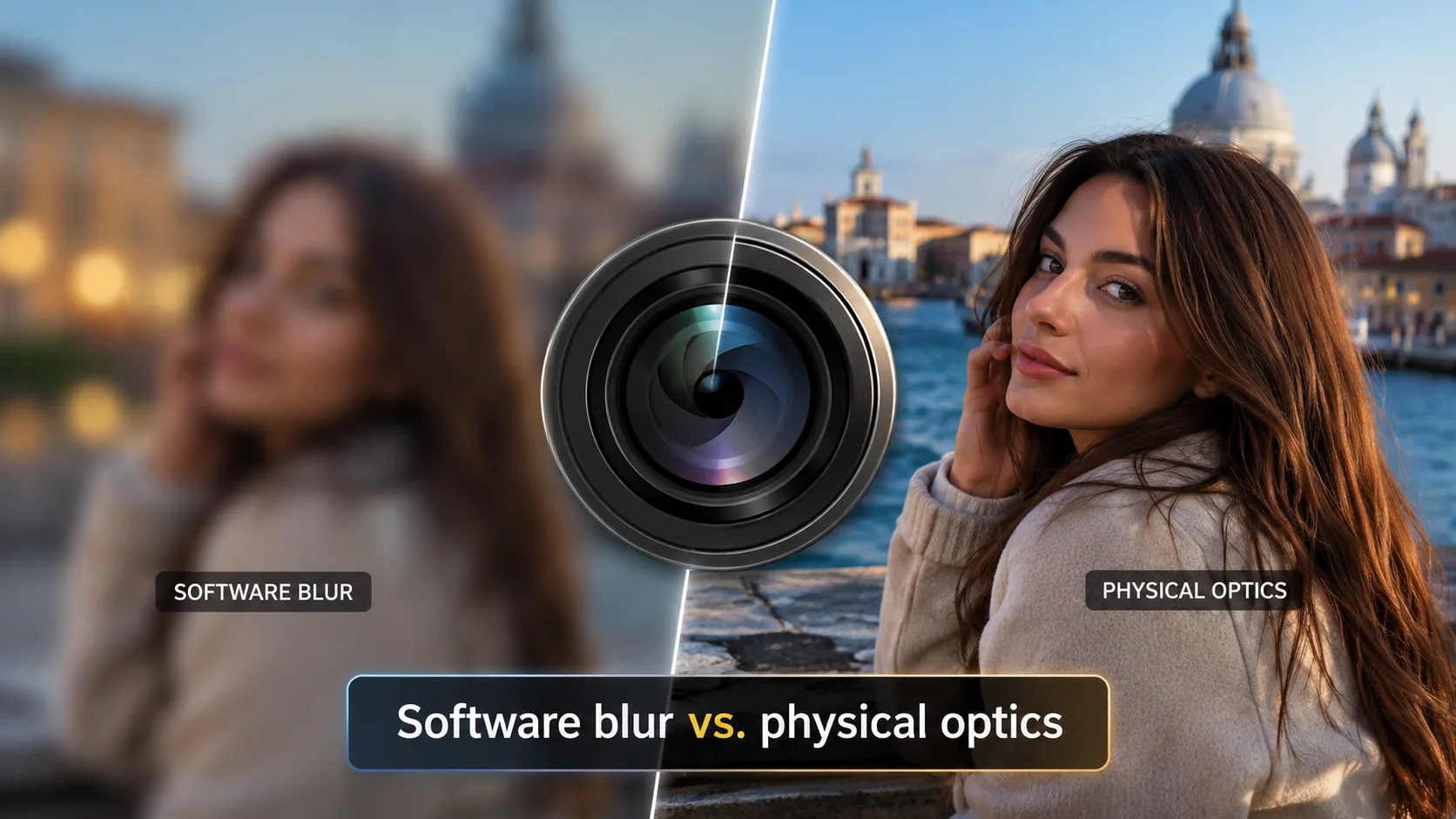
Apple may be about to shatter the iPhone’s Portrait Mode playbook. With over 1.2 trillion photos captured on smartphones annually and 68% of pro-sumers demanding true optical depth, Apple is rumored to test a mechanical variable aperture lens.
What happens when Apple swaps software illusion for real mechanical control? With a $1,399+ Pro Max price tag at stake, the answer could reshape mobile photography and eviscerate fake digital blur.
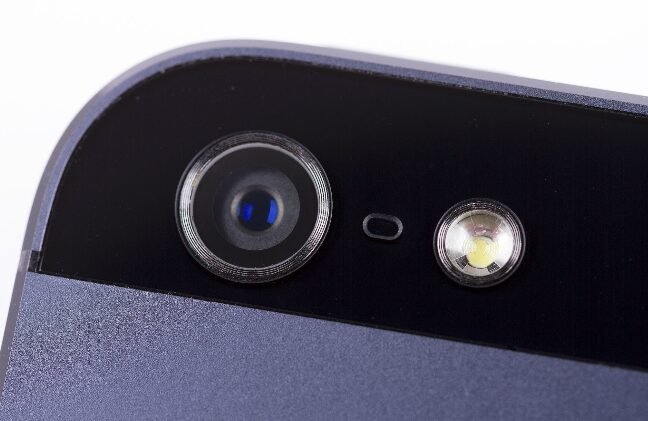
The Camera Trick Apple May Replace
For years, iPhones have relied on computational algorithms to estimate depth and artificially blur backgrounds. While machine learning has improved edge detection around hair and glass, software blur still struggles with tricky lighting and fine foreground details.
| Camera Mechanism | Fixed Aperture (Current) | Variable Aperture (Rumored) |
|---|---|---|
| Depth of Field | Simulated by AI algorithms | Controlled by physical iris blades |
| Low-Light Input | Fixed light intake (e.g. f/1.78) | Opens wider to maximize light input |
| Bright Sunlight | Shutter speed & ISO compensation | Narrows aperture to avoid clipping |
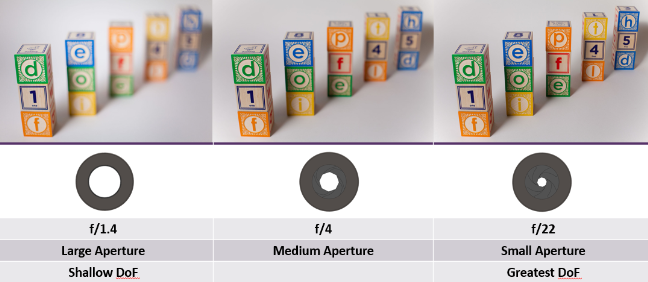
Why rely on algorithmic guessing when physics can do the job better? Moving to a mechanical aperture allows the camera to physically control light entering the sensor.
Why Physical Aperture Matters
A variable aperture allows the primary wide camera to physically widen or narrow its lens opening based on scene lighting and focal distance.
- Physical Depth Isolation: Achieve natural background blur without computational haloing or artificial cutout artifacts.
- Dynamic Light Control: Step down in bright sunlight to capture sharper architectural edges without digital overexposure.
- Superior Low-Light Capture: Open wide in dim environments to deliver cleaner raw sensor data to the image pipeline.
“If variable aperture becomes contextual instead of purely automatic, it will fundamentally redefine how mobile hardware handles complex lighting.” — Mobile Imaging Engineer
Why Pro Max Gets the Premium Tech
Apple routinely introduces high-cost mechanical upgrades on its flagship tier before expanding them across the lineup. A multi-blade aperture assembly requires precise actuators and micro-motors, increasing internal component costs.
- Space Allocation: The larger Pro Max chassis accommodates complex mechanical actuators without shrinking battery capacity.
- Pricing Justification: Reserving top-tier optical hardware justifies the premium $1,399+ pricing strategy.
- Pro-Grade Differentiation: Creates a distinct separation between casual snapshot cameras and professional mobile tools.
Could a physical aperture finally convince DSLR purists to leave heavy lenses at home?
What This Means for Creators
Dynamic Island is about to get smaller soon 👀 pic.twitter.com/K5GxONSgRG
— Apple Cycle (@theapplecycle) July 29, 2026
Mobile video creators and street photographers stand to gain the most from hardware-level optical control.
| Potential Benefit | Possible Limitation |
|---|---|
| True Optical Bokeh | More complex moving parts |
| Improved Dynamic Range | Slightly higher production cost |
| Zero Edge Detection Bugs | Restricted to top-tier Pro Max model |
| Cinematic Focus Transitions | Minimal impact on quick casual snapshots |
Can computational photography survive when mechanical hardware does the job better? The shift suggests Apple is re-embracing hardware engineering over pure software simulation.
Full hardware analysis and supply chain leaks are detailed on 9to5Mac: Kuo Reiterates Variable Aperture Report, MacRumors: iPhone 18 Pro Camera Leaks, and Cashify: iPhone DSLR-Like Variable Aperture Breakdown.