
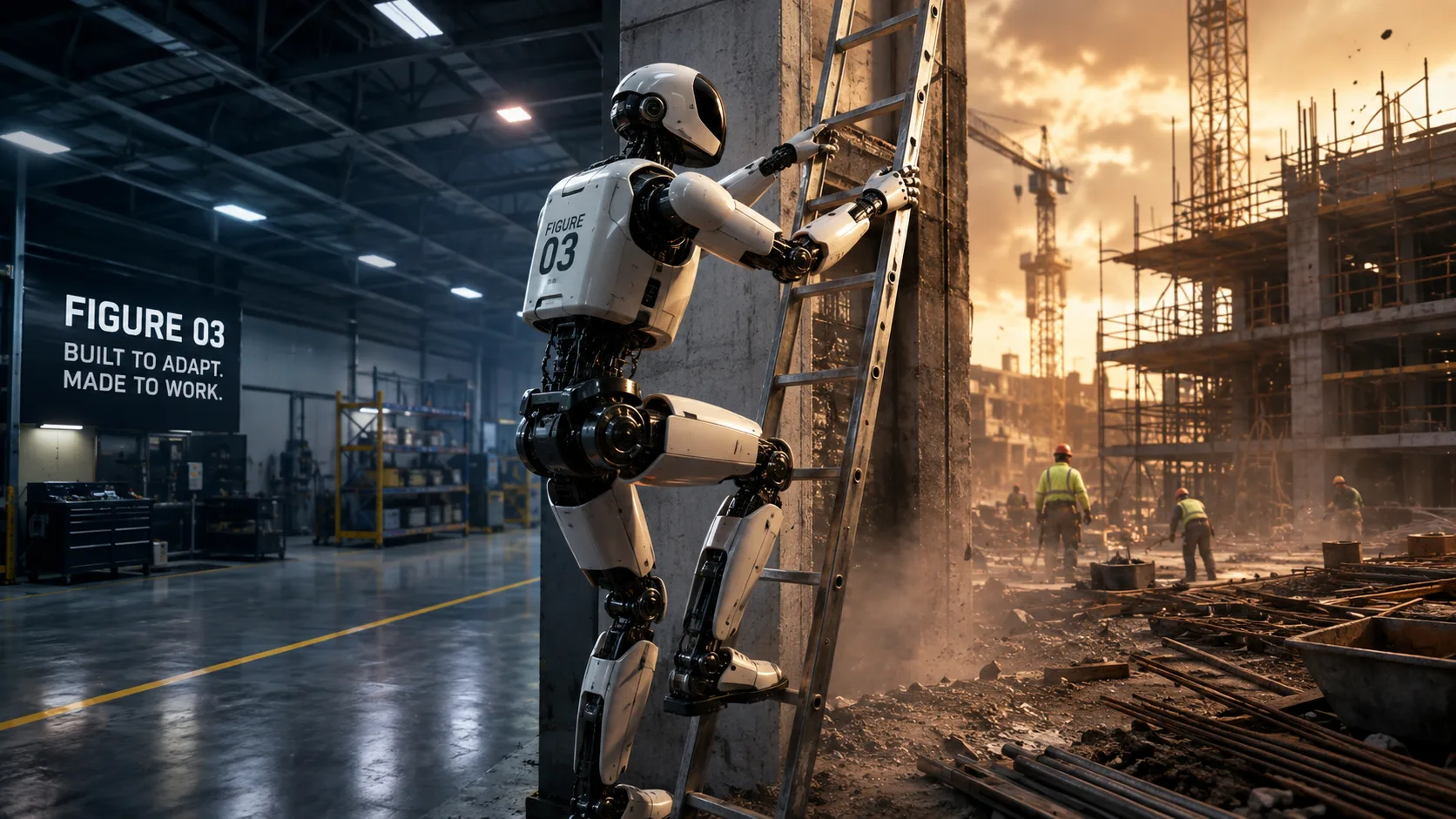
Figure 03 just stunned the robotics world by autonomously climbing a ladder, and that single move could fundamentally reshape how humanoid robots enter real-world worksites. With industrial accidents causing over 2.8 million workplace injuries annually and vertical falls accounting for 20% of construction fatalities, automated high-altitude labor is urgent.
If robots can navigate vertical rungs safely while balancing 60kg frame weight, what happens when the worksite is no longer a flat warehouse floor? Millions of engineers now marvel at the breakthrough as tech firms race to deploy humanoid units across dangerous jobs.

Why It Matters Now
Ladder climbing is vastly more difficult for a bipedal robot than walking across flat concrete. Each step up or down requires precise contact points, dynamic weight transfer, and real-time grip verification.
- 3D Spatial Navigation: The robot must map rungs in three dimensions despite visual self-occlusion.
- 4-Point Contact Control: Managing upper-body pull forces alongside foot pressure requires continuous full-body torque adjustments.
- Unstructured Environments: Unlike controlled warehouse floors, scaffolding vibrates, flexes, and slips.
Is ladder climbing the first real sign of construction-ready robots? Moving beyond flat surfaces allows humanoids to perform maintenance, structural inspection, and multi-story material transport.
The Technical Breakthrough
The real leap isn’t just gripping a rung; it’s dynamic balance under unpredictable forces. When a foot micro-slips or a hand encounters dust, the robot’s onboard neural network recalculates center-of-mass trajectory in milliseconds.
- Whole-Body Coordination: Unified neural networks calculate arm pulling force and leg pushing torque simultaneously.
- Tactile Sensing: Palm and fingertip sensors measure grip firmness before shifting body weight.
- Micro-Correction Loops: Onboard GPUs process high-frequency balance adjustments to prevent catastrophic falls.
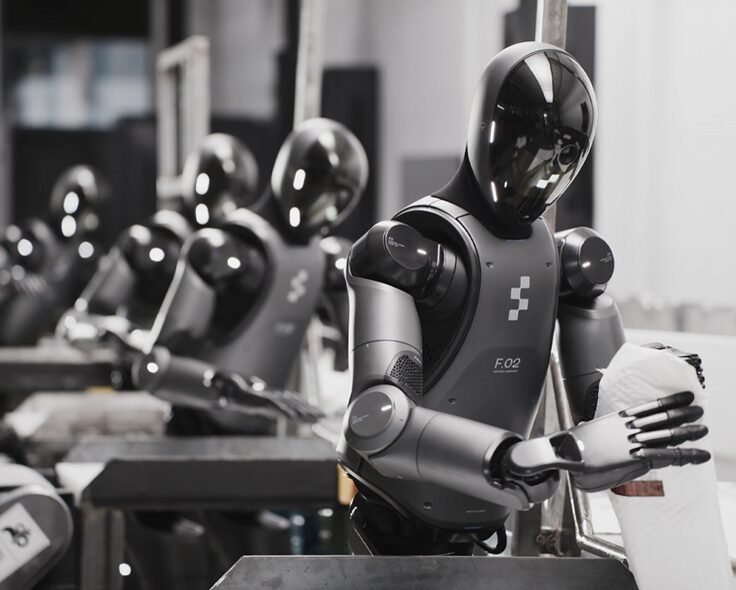
What Changes for Industry
| Industry Sector | Primary Application | Key Operational Impact |
|---|---|---|
| Construction | Scaffolding inspection & tool transport | Reduces human exposure to fall hazards at high elevations |
| Manufacturing | Elevated machinery & pipe maintenance | Replaces risky manual ladder climbs during plant overhauls |
| Logistics | Multi-level inventory management | Expands autonomous storage retrieval beyond flat aisles |
| Hazardous Operations | Disaster recovery & structural audits | Operates safely in damaged buildings with destroyed stairwells |
Which is harder: moving fast, or moving safely in chaos? Industry adoption hinges on total reliability, where a single stumble means broken hardware or lost operational trust.
F.03 can now climb a ladder, fully autonomous pic.twitter.com/tNJeGuvVhm
— Brett Adcock (@adcock_brett) August 1, 2026
What Still Limits Adoption
Despite the impressive demo, several hurdles remain before humanoid bots replace human workers on ladders:
“The real leap isn’t walking — it’s surviving unpredictable geometry.” — Industrial Automation Analyst
- Battery Constraints: High-torque vertical climbing drains onboard batteries significantly faster than level walking.
- Environmental Wear: Dust, rain, and mud degrade optical sensors and mechanical joints over time.
- Safety Certifications: Regulatory bodies require rigorous testing before allowing heavy robots to work above human crews.
Official Coverage & Technical Reports
Official Reports & Technical Coverage: • Figure AI Official News Hub • IEEE Spectrum Robotics Research • U.S. Bureau of Labor Statistics Workplace Reports
What happens when humanoids leave controlled environments? As robots master vertical agility, the line between lab experiments and real-world industrial tools is disappearing forever.