
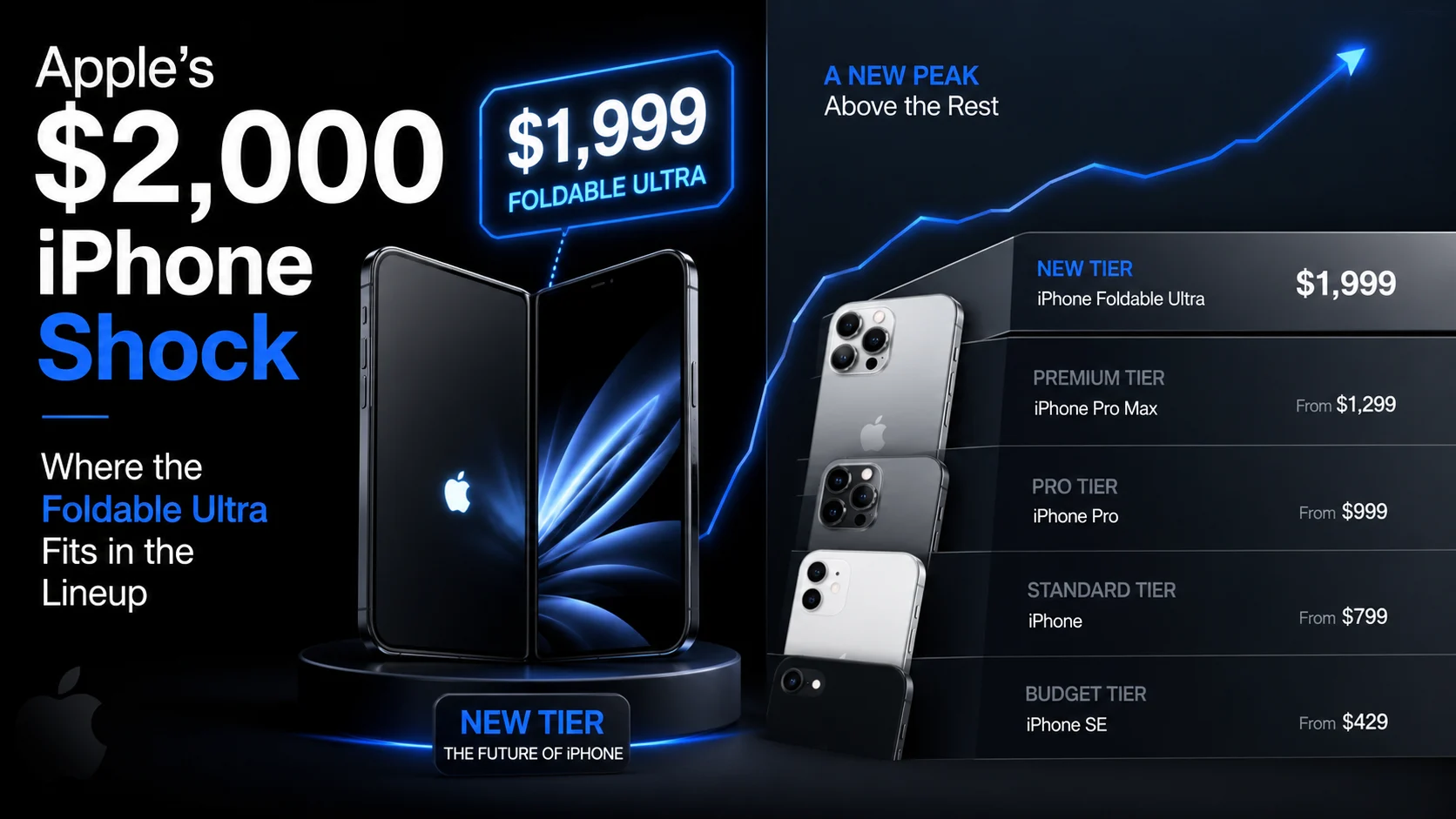
Apple may be about to stun the smartphone market with a foldable iPhone that could land near $1,999. That astronomical sticker price would place it roughly $800 higher than the flagship Pro Max, creating an entirely new “Ultra” tier in Apple’s portfolio.
With standard Pro models already commanding luxury prices, does Apple want its first foldable to be a niche showcase or the new definition of high-end mobile design? The answer could disrupt buyer expectations and redefine how competitors position their top-tier hardware. 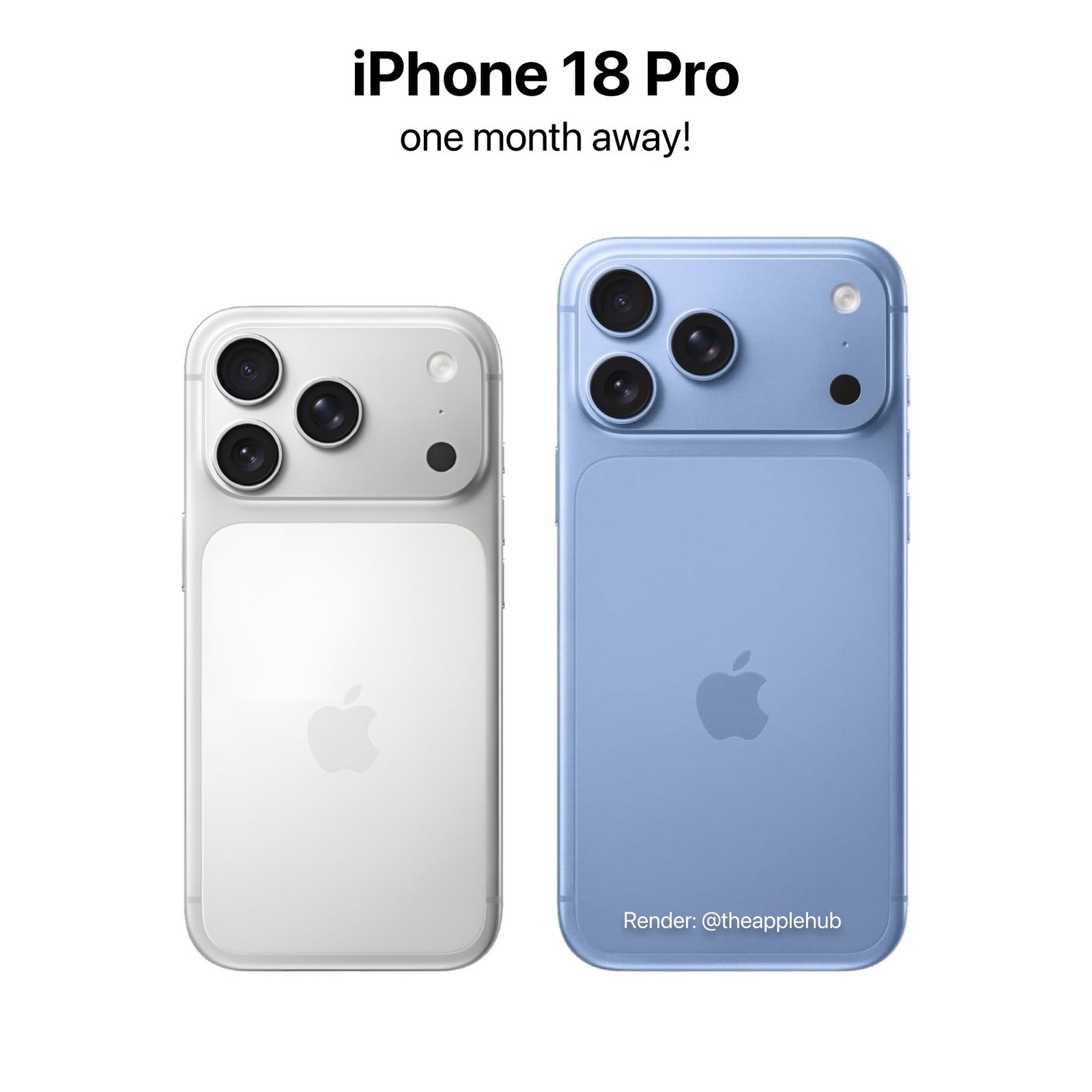
The Pricing Shock
Industry reports suggest Apple’s long-rumored book-style foldable — expected to debut as the iPhone Ultra — will enter the market with an unprecedented starting price. Rather than replacing existing devices, this model sits directly at the apex of Apple’s smartphone lineup.
- Target Price Range: Leaks point to a starting price between $1,999 and $2,399 depending on storage options.
- Ultra-Premium Position: Costs almost double the base iPhone 18 Pro while sharing the upcoming A20 Pro chipset.
- New Tier Launch: Establishes a super-flagship bracket above the current Pro and Pro Max tier.
Why Apple Would Do This
Instead of forcing everyday buyers into a foldable form factor, Apple is reportedly deploying a tiered premium ladder. This strategy protects core revenue from standard iPhones while establishing a high-margin halo product for early adopters.
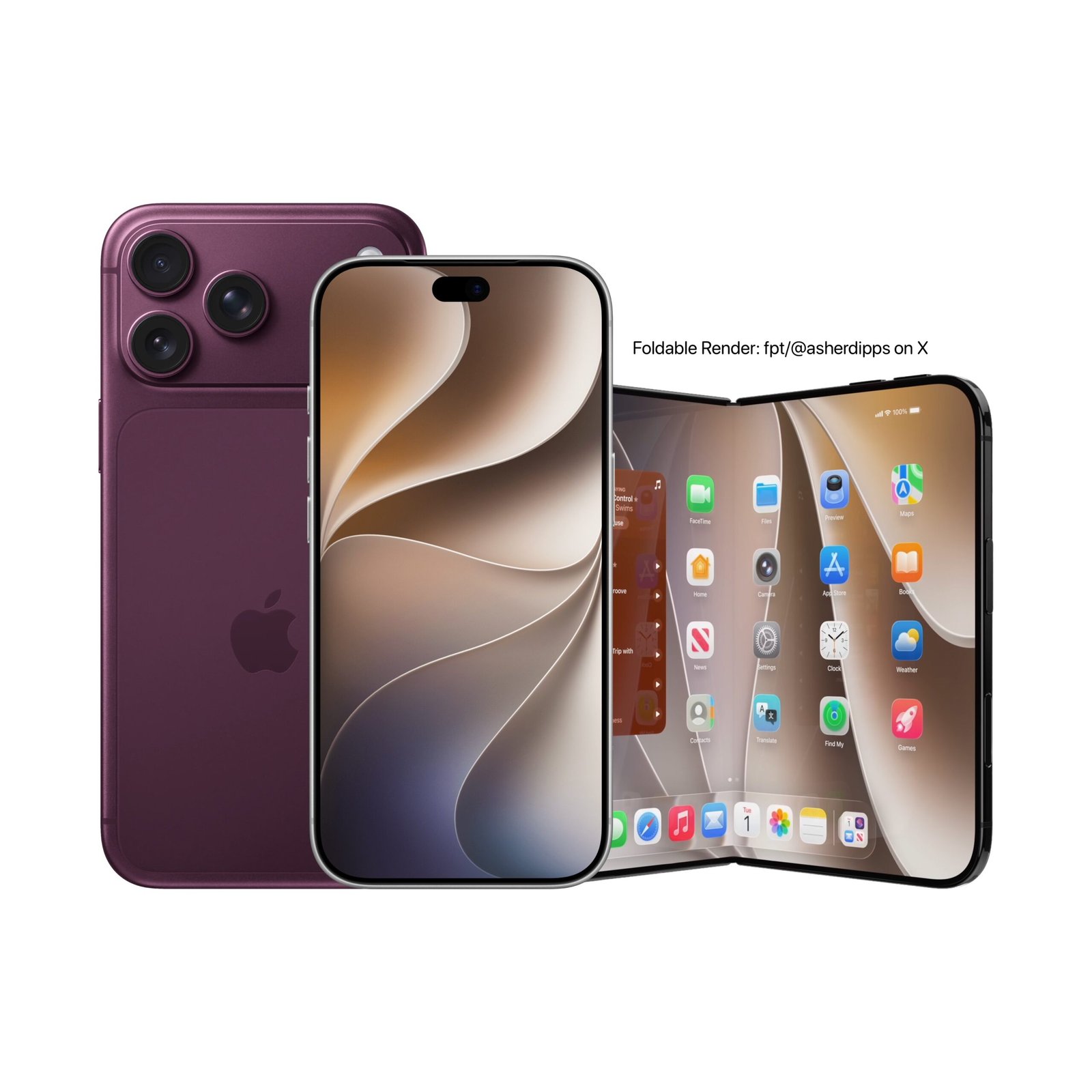
- Halo Product Strategy: Serves as a technological showcase featuring a near-creaseless 7.8-inch display and liquid metal hinge.
- Margin Protection: High component costs for folding displays and specialized chassis demand extreme retail pricing to preserve Apple’s profit margins.
- Pro Line Shielding: Ensures the iPhone 18 Pro Max remains the go-to volume seller for traditional smartphone buyers.
Should Apple keep the foldable strictly above the Pro Max? Positioned as a luxury tool, it allows Apple to test novel hardware without risking mass-market friction.
What Consumers Will Think
The eye-watering price tag creates immediate emotional tension among buyers. While tech enthusiasts welcome the 7.8-inch tablet-like inner screen, casual users may view a $2,000 phone as an overreach.
| Buyer Segment | Likely Reaction | Key Trade-off Concern |
|---|---|---|
| Apple Loyalists | Enthusiastic | High price tag vs. status appeal |
| Tech Power Users | Curious | Touch ID power button instead of Face ID |
| Price-Conscious Buyers | Skeptical | Could buy an iPhone 18 Pro AND an iPad for less |
Would you pay $2,000 for a foldable iPhone? For most consumers, the trade-off comes down to whether a folding screen replaces both an iPhone and an iPad mini.
Apple is expected to launch the iPhone 18 Pro, iPhone 18 Pro Max and iPhone Ultra (foldable) next month 🔥 pic.twitter.com/pK0FxYOlvU
— Apple Hub (@theapplehub) August 1, 2026
The Bigger Market Impact
A $2,000 iPhone Ultra directly challenges luxury Android foldables like the Samsung Galaxy Z Fold series. If Apple proves consumers will pay $2,000+ for a folding handset, rival manufacturers will inevitably adjust their own pricing tiers upward.
“The challenge isn’t just making a folding display — it’s justifying a $2,000 price point when standard Pro models already meet 99% of consumer needs.” — Mobile Industry Analyst
Official Coverage & Reports: • MacRumors iPhone Fold Rumor Roundup • Macworld iPhone Ultra Pricing & Spec Analysis • Bloomberg Technology Market Desk
Is this the future of the iPhone, or just a luxury experiment? If Apple gets this right, it won’t just sell a foldable — it could redefine the top end of the entire smartphone market.