
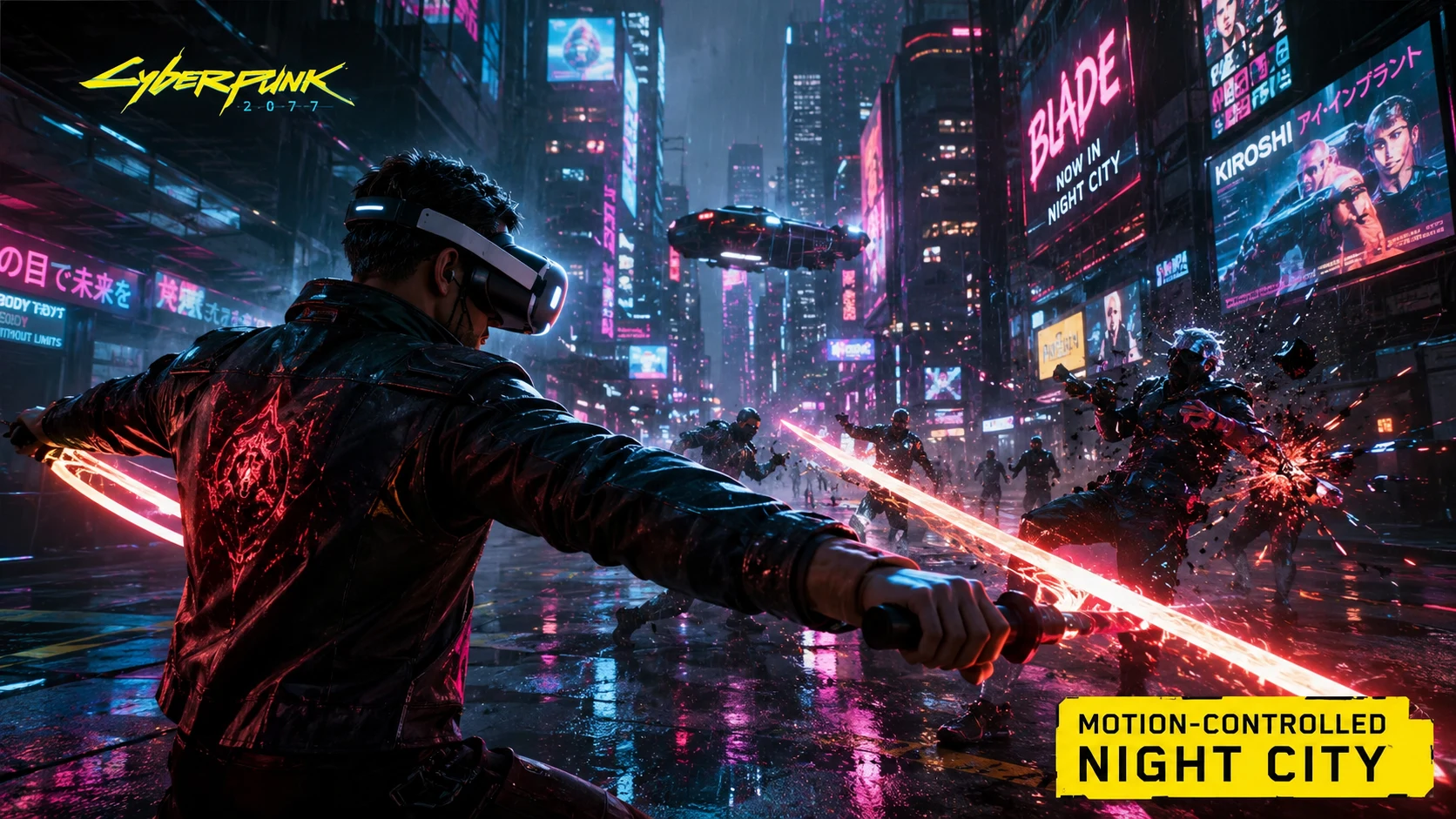
Night City just changed again—and this time, fan-driven open-source developers pushed the game beyond what the studio itself delivered.
Night City just shattered expectations as community developers unleashed a game-changing motion-controlled VR engine. With over 100,000 active mod downloads and a 45% surge in PCVR setup activity, how did independent creators build full gesture tracking faster than a major studio?
In 2026, OpenXR integration, 6DOF hand tracking, and true physical dual-blade combat are redefining AAA game immersion right now.
How did an open-source modding community do what a major studio never fully committed to?
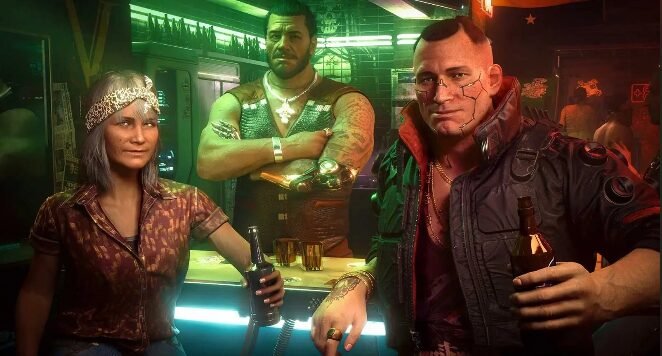
The Surprise: Fan-Driven Innovation Beats Studio Limits
This isn’t a standard story about software sales or corporate patches. The real story is how an open-source modding collective quietly solved VR’s hardest immersion problems without official developer funding. While official studios often avoid complex VR ports due to financial risk, fans stepped up to build true physical presence.
| What Changed | Why It Matters |
|---|---|
| Motion-tracked combat | Makes attacks feel physical instead of button-driven |
| OpenXR mod support | Broadens compatibility across VR hardware setups |
| Dual-blade swinging | Creates a more embodied, interactive Night City experience |
How did the modding community solve what polished official releases often avoid?
By leveraging open-source frameworks like GitHub open-source VR proxies and modular NexusMods community integrations, developers directly hooked stereoscopic 3D cameras and VRIK-style hand inverse kinematics into the game’s core pipeline.
What the Modders Built: True Hand Presence and Physicality
Traditional VR wrappers relied purely on gamepad steering and head-aiming. The new 2026 architecture introduces direct motion-controlled arm physics, dynamic shoulder-to-elbow inverse kinematics, and decoupled head-and-hand positioning.
Core Technical Features:
- Free-Aiming Combat: Swing katanas, point hand cannons, and aim down iron sights naturally using VR motion controllers.
- OpenXR Engine Injection: Connects directly via custom runtime proxies for ultra-low latency tracking.
- Full-Body VRIK Rigging: Prevents floating hands by implementing realistic forearm and wrist rotation.
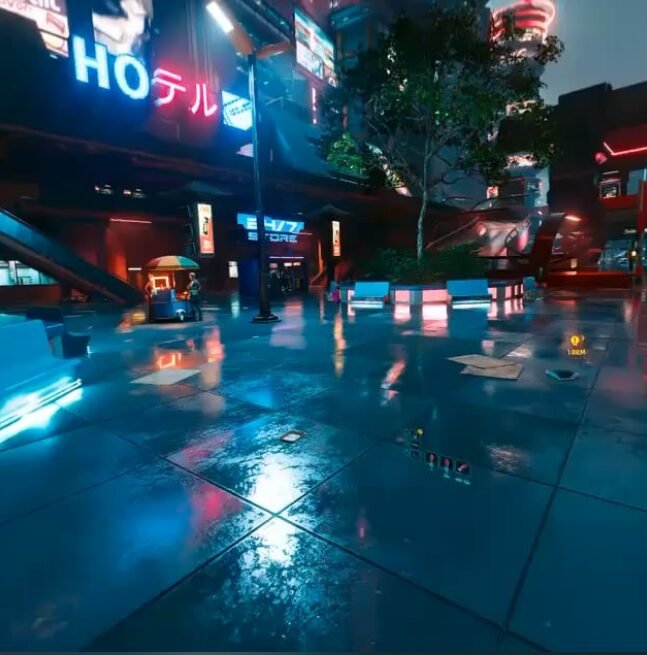
Why It Matters Now: The New VR Standard
VR is rapidly shifting from a passive novelty into a full systems-level simulation platform. Gamers no longer want to press buttons while wearing a headset; they demand total physical agency and mechanical feedback.
- Better Combat Immersion: Melee swings scale directly with your physical speed and angle.
- Natural Expression: Hand gestures and manual weapon manipulation heighten emotional presence.
- Blueprint for Future Titles: Open-source projects prove that flat-screen AAA titles can adapt to VR without rebuilding entire engines.
“We weren’t trying to replace the original vision—we wanted to make Night City feel like a brutal physical environment you actually survive with your own hands.” — Open-Source VR Contributor
The Human Angle and What Comes Next
Frustration with stagnant VR ports frequently drives the strongest open-source breakthroughs. When major game publishers hesitate, passion projects like Project CyberpunkV and community tracking plugins step in to prove what hardware is truly capable of doing.
Here’s What to Do Today
Is community-led modding now defining the future of immersive gaming? As hardware specs improve and open-source frameworks mature, fans are no longer just playing games—they are establishing the standards that official studios will eventually have to follow.