
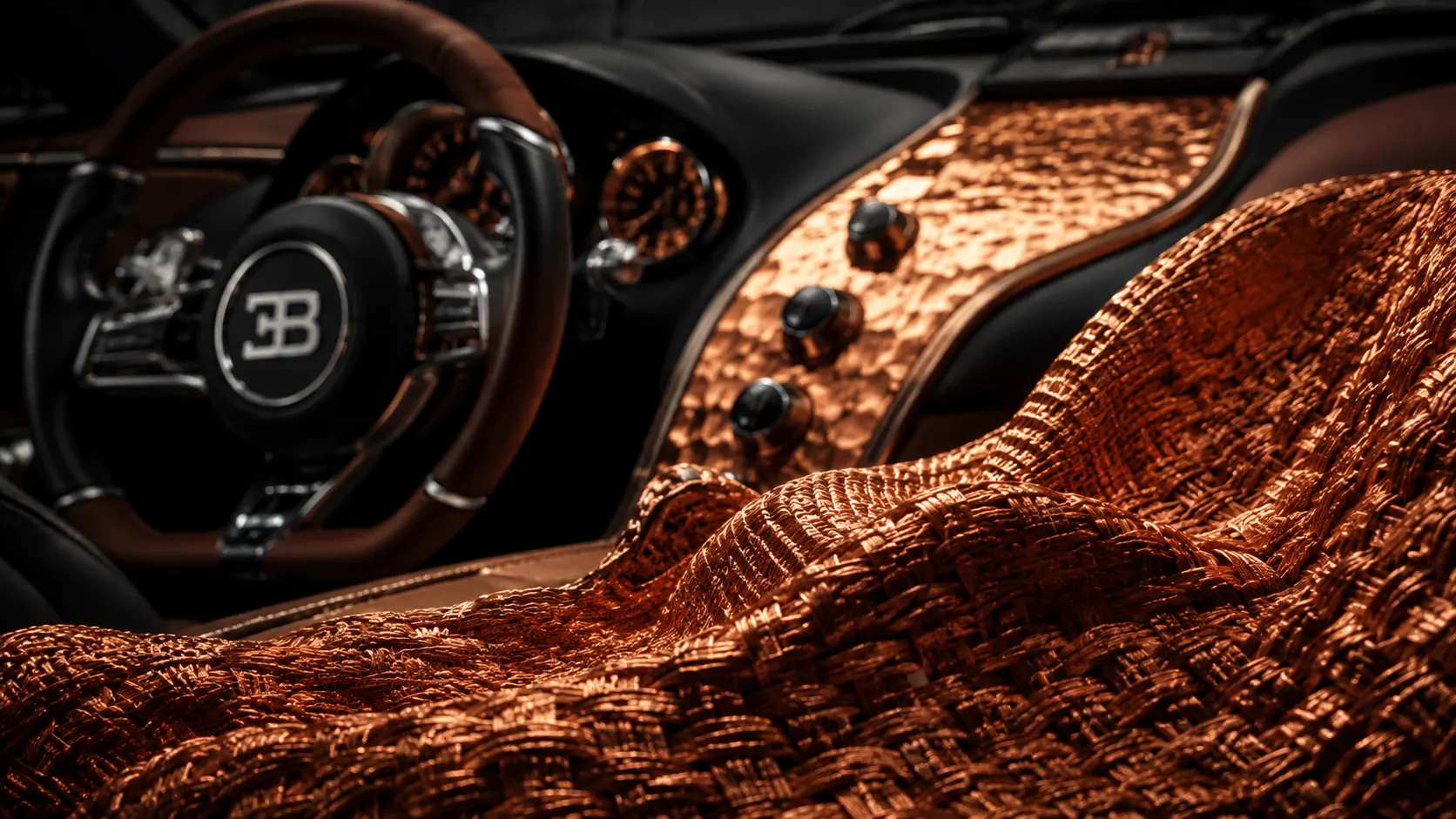
Bugatti has dramatically reinvented the hypercar cabin, weaving real copper threads into advanced 3D-knitted textiles and pairing them with hand-hammered metal.
Operating with a limited production run capped at just 250 units and an eye-watering starting price of $4.1 million (€3.8 million), how do engineers make a multi-million-dollar machine feel less like a digital cockpit and more like an intimate gallery?
Bugatti achieves this by ditching conventional leather-and-carbon-fiber formulas in favor of bespoke craftsmanship. Could this meticulous focus on tactile artistry completely change how we judge ultra-luxury speed?
Because hypercar buyers demand absolute exclusivity, this material shift redefines what a high-performance interior can achieve.
1. A Cabin That Demands a Closer Look
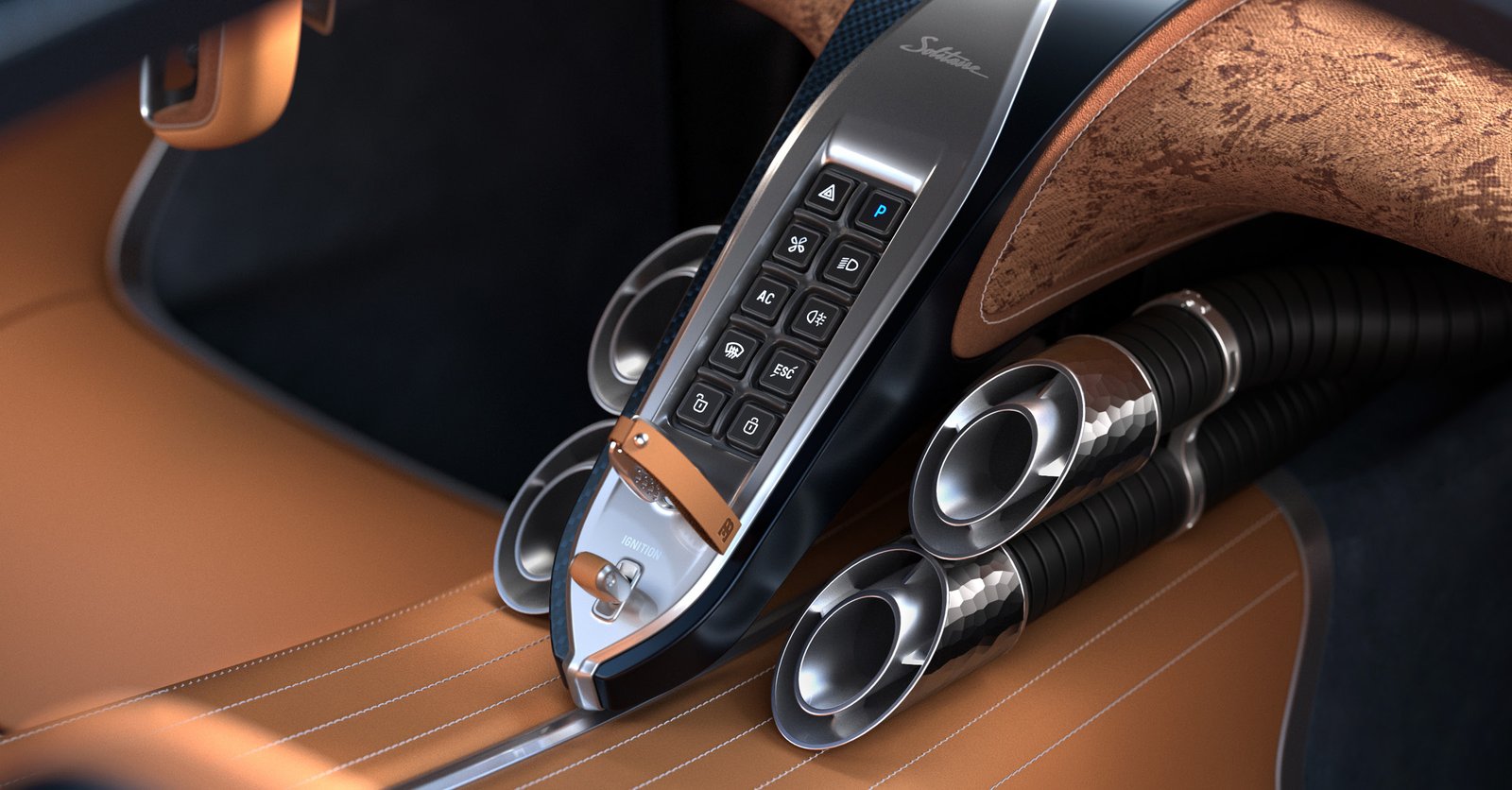
The copper catches the ambient light, the knitted surfaces introduce organic depth, and the hammered metal adds intentional irregularity. The surprise is that the cabin’s intense drama stems from traditional artistry rather than visual aggression.
Instead of relying on standard trim plates, the design moves closer to haute couture than mass-produced automotive standards.
2. The Story Behind the Materials
At the heart of the layout are three contrasting material languages working together:
| Material | Visual Character | Role in the Cabin |
|---|---|---|
| 3D-knitted textile | Sculptural, tactile, and seamless | Creates seamless depth across selected surfaces |
| Real copper thread | Warm, reflective, and distinctive | Acts as a sparkling highlight woven into pattern lines |
| Hand-hammered metal | Irregular and artisanal | Introduces a handmade counterpoint to precision engineering |
Unlike a flat decorative fabric, 3D knitting molds precisely to complex interior structures. The copper thread cuts through standard automotive coolness, adding a warm metallic glow.
Would you choose this kind of tactile craftsmanship over a traditional leather interior?
3. From Textile to Sculpture
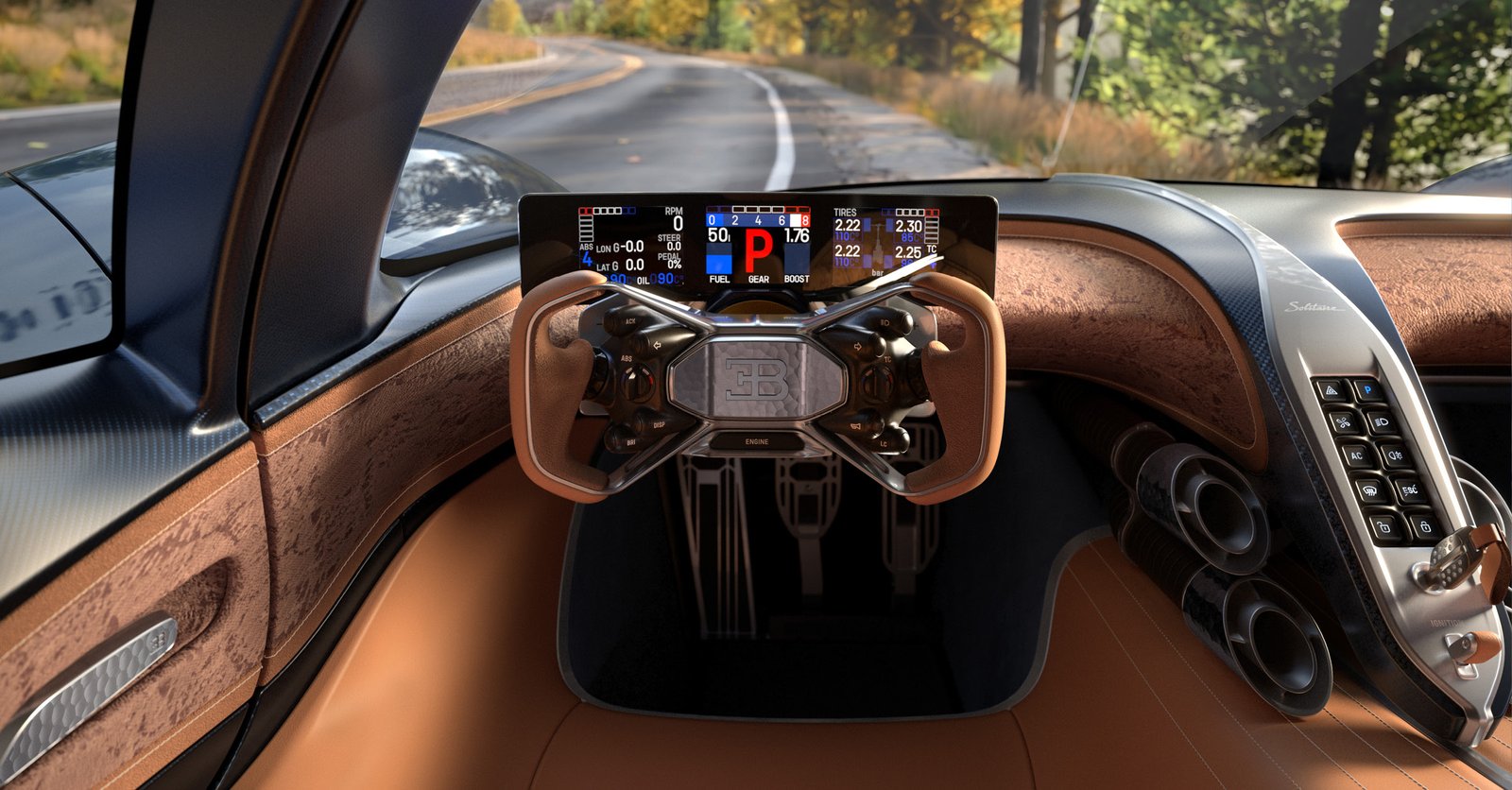
The interior succeeds by balancing strict structural precision with organic irregularity. Each hand-hammered metal component carries subtle, unique variations.
This contrast prevents the cockpit from feeling overly digital or factory-sterile.
“The objective was not simply to add precious materials, but to create a surface language that rewards close inspection.” — [Name, title, and organization to be confirmed]
4. Why This Matters in a Hypercar
Hypercar interiors are traditionally defined by raw carbon fiber and exposed technical hardware. Bugatti proves that performance luxury can also be quiet, tactile, and deeply personal.
Occupants are invited to notice fine micro-details at close range:
- The way copper threads catch changing light.
- The shifting textures of the three-dimensional knit.
- The stark contrast between soft textile and cool metal.
- The visible character marks created by hand-finishing.
According to structural breakdowns from Car and Driver’s Bugatti Tourbillon Overview, modern hypercars are increasingly blending analog mechanical engineering with hyper-customized atelier cabin choices.

5. Craftsmanship Over Spectacle
The design works because it avoids sensory overload. Instead of flooding the cockpit with bright chrome, copper functions as an accent woven into a broader textural composition.
This restraint gives the vehicle greater long-term appeal. True luxury is rarely about adding more elements; it is about making each chosen detail harder to replicate.
For deeper context on bespoke hypercar manufacturing traditions, explore the Bugatti Official Newsroom.
Introducing the BUGATTI DESTRIER.
— Bugatti (@Bugatti) August 6, 2026
Named after the noble horse of medieval knights, DESTRIER is the third one-of-one commission created through the BUGATTI Programme Solitaire.
Sculpted around pure proportion and crafted for a single owner, it embodies a new expression of… pic.twitter.com/wG2GjortAd
6. A Rolling Piece of Art
Bugatti has successfully turned a high-speed machine into a rolling gallery space. Fabric, metal, and ambient light merge to form an experience that resists being reduced to a simple spec sheet.
What happens when a hypercar is judged just as much by its emotional presence and material tactility as its horsepower?
Primary Resources
Additional reference documentation: