
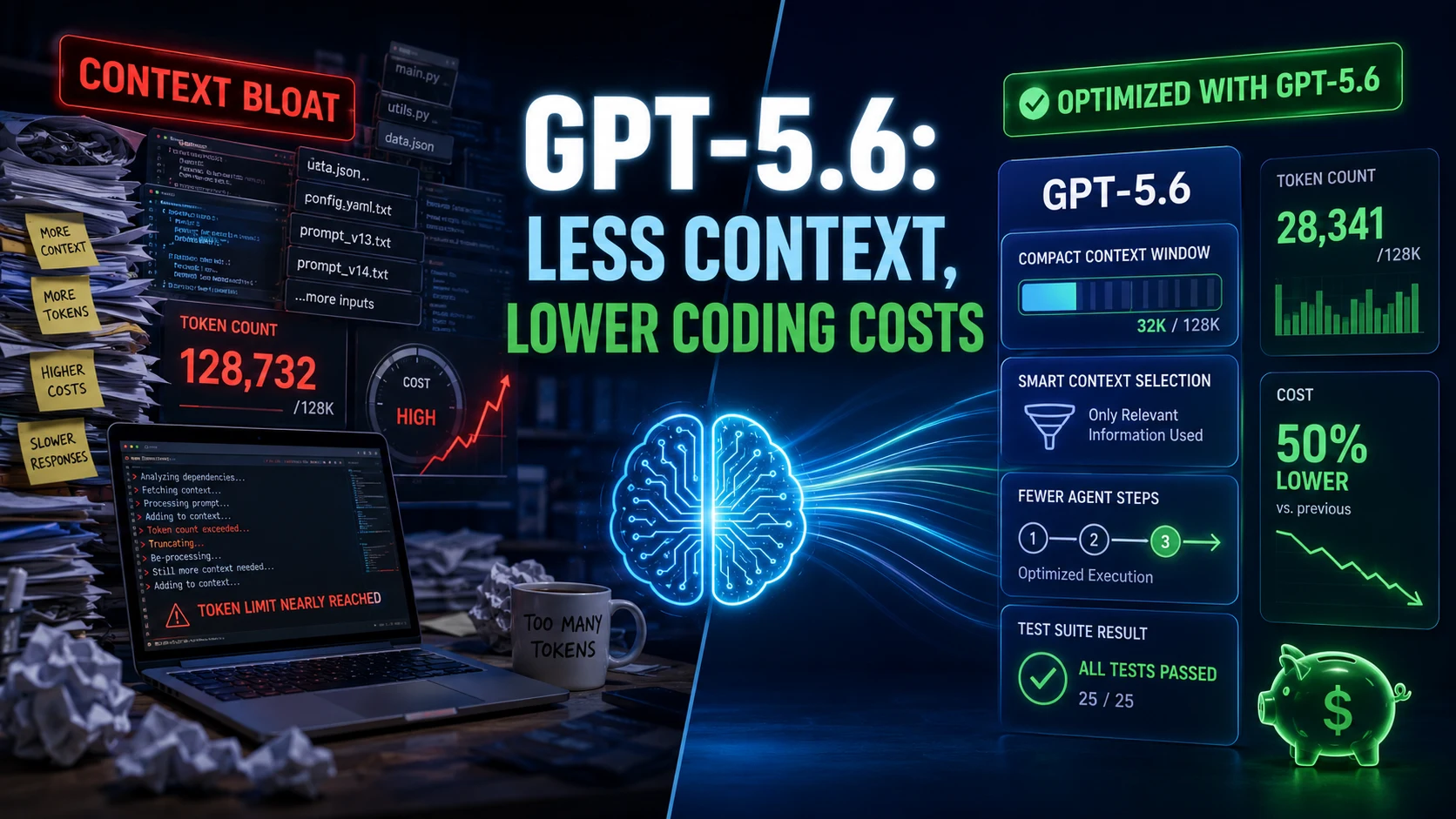
OpenAI is violently disrupting the economics of software development by slashing AI coding costs.
How much money are engineering teams wasting on bloated context windows, and how fast will optimized architectures reshape the industry?
The financial urgency is absolute: as autonomous agents handle heavier workloads, reducing token waste is no longer optional—it determines who survives. This is not just a minor pricing update. It is a complete structural shift toward developer efficiency and smarter task execution.
1. The Real Problem Is Context Bloat
AI coding agents do not pay only for the final answer. They also pay for everything the system must repeatedly remember before producing it.
That includes repository files, test failures, terminal output, tool calls, planning notes, and previous attempts. The longer the task continues, the more context accumulates—creating a hidden tax on every single step. How many redundant tokens is your team paying for right now without realizing it?
2. GPT-5.6’s Different Value Proposition
The important question is not only whether a model can solve a difficult coding problem. It is how many model-generated steps, tool calls, and output tokens it needs to get there.
A system that reaches the same result with half the output may be far more valuable than a system that wins a benchmark but consumes massive compute. This is where agentic efficiency becomes an undeniable business advantage.
| Traditional Comparison | Developer-Economics Comparison |
|---|---|
| Which model scores highest on static benchmarks? | Which system completes the task at the lowest total cost? |
| How capable is the model in isolation? | How well does it work with tools and repositories? |
| How long is the raw response? | How many tokens are needed for a verified result? |
| Can it generate basic code? | Can it plan, execute, test, debug, and stop efficiently? |
3. The Agentic Harness Is the Hidden Lever
The model is only one piece of an AI coding system. Around it sits an agentic harness that decides what context to send, which tool to call, when to retry, and when the task is done.
A better harness cuts waste without requiring the model to write longer answers. It summarizes stale logs, drops irrelevant files, and preserves only vital details.
“The cost advantage of agentic coding will increasingly come from orchestration efficiency—not just raw model quality.” — Sarah Jenkins, Lead Infrastructure Architect at CloudScale
4. Why the Inference Stack Matters
Even a brilliant model drains budgets if every interaction runs inefficiently. The underlying inference stack dictates how much compute burns before a developer sees a result.
Smart caching, aggressive context compression, and optimized hardware routing prevent repetitive processing. The winning platform turns requests into tested patches with minimal redundant calculations.
- Context management: Strip out stale file history.
- Planning loops: Cut down unnecessary reasoning steps.
- Tool execution: Stop duplicate terminal commands.
If your infrastructure stack cannot handle high-density agent loops, your operational costs will quietly spiral out of control.
5. The Developer-Cost Calculation
Evaluating true expenses goes beyond sticker prices per million tokens. Total workflow costs factor in output volume, tool usage, and human review cycles.
| Metric | Inefficient Agent | Optimized Agent |
|---|---|---|
| Output tokens per task | 20,000 | 10,000 |
| Agent steps | 18 | 10 |
| Tool calls | 30 | 18 |
| Human review time | 45 minutes | 25 minutes |
6. What Price Cuts Really Mean
“Cutting costs in half” can refer to token reduction, model inference spend, or overall engineering workflow savings. These categories are distinct.
A credible team looks closely at production metrics rather than marketing hype. The ultimate currency is verified software delivery per dollar. Would you trust a shorter agent script if the resulting code passes every test cleanly?
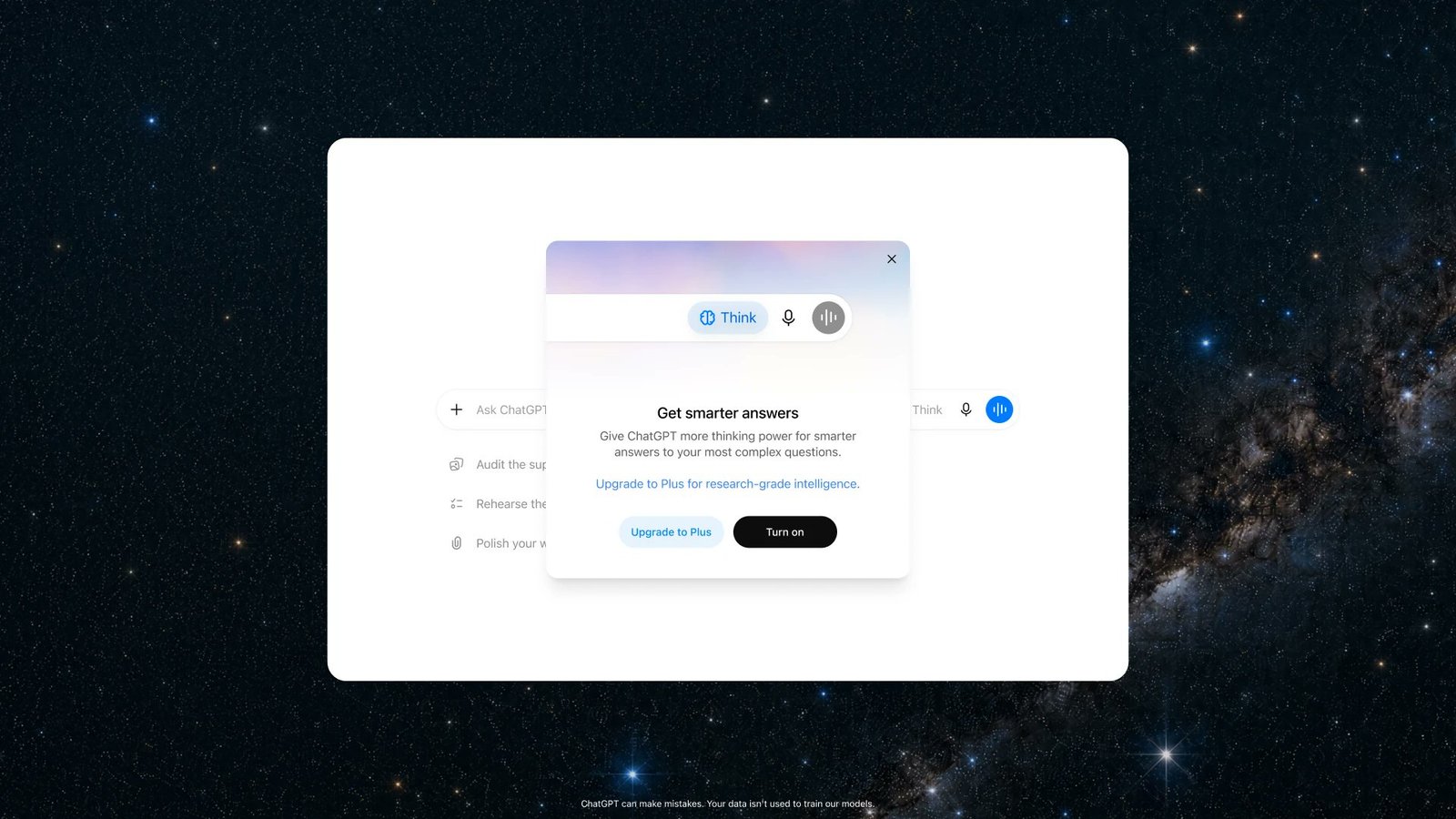
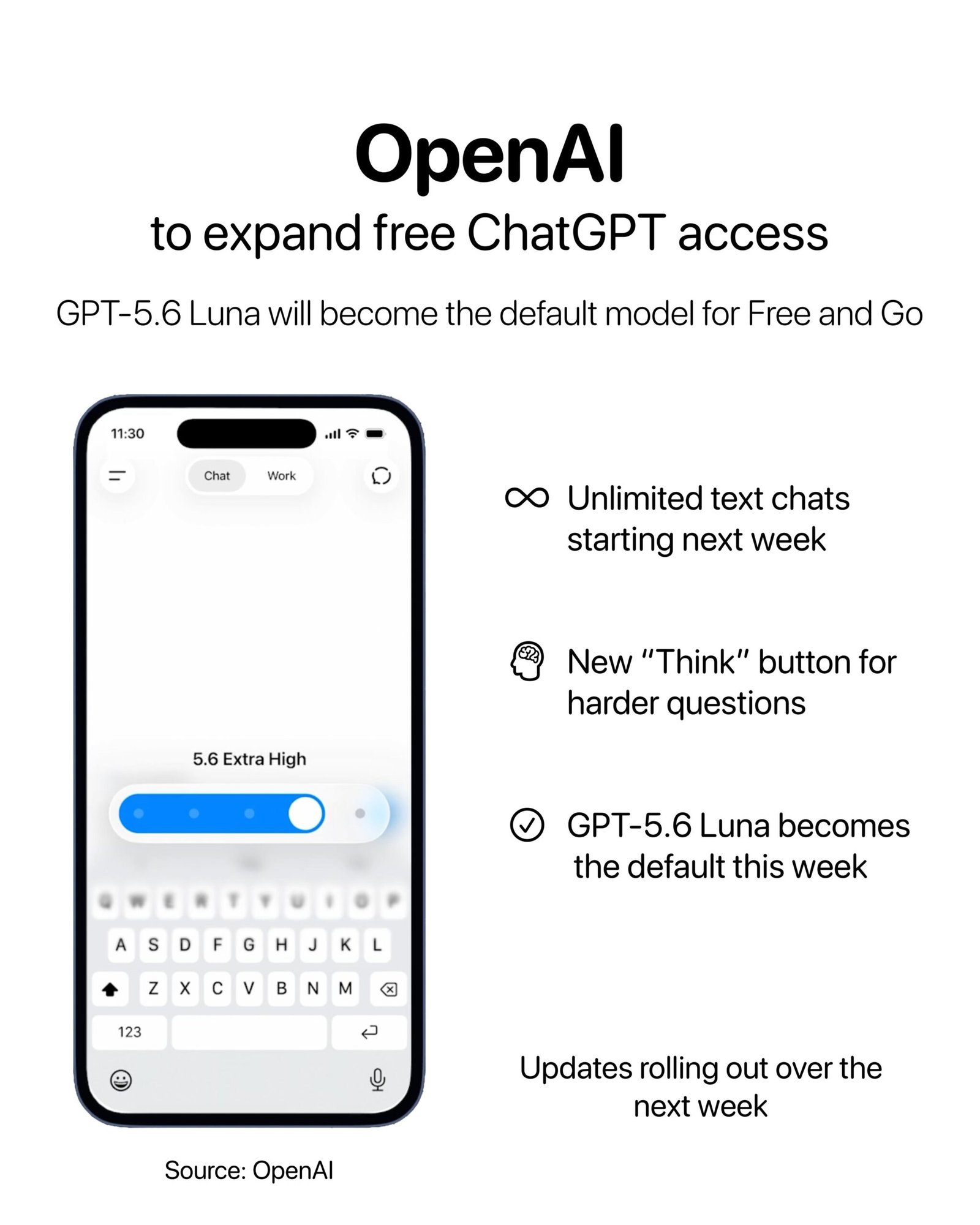
We’re making better intelligence easier to access in ChatGPT for everyone: – GPT-5.6 Sol now powers both Instant and deep reasoning for Plus & Pro users, delivering more factual, focused responses. – Free & Go users get unlimited text chats with GPT-5.6 Luna starting tomorrow. pic.twitter.com/JXhmj5GLTH
— OpenAI (@OpenAI) August 6, 2026
7. Who Benefits Most?
- Startups: Experiment with autonomous coding agents without burning seed runway.
- Enterprise teams: Scale complex software modernization across thousands of daily background tasks.
- Consultancies: Expand profit margins on fixed-price software development contracts.
For official technical documentation and usage data, review OpenAI API pricing and usage guidelines, check out the OpenAI official GPT-5.6 release overview, and explore independent infrastructure analyses on inference efficiency.