
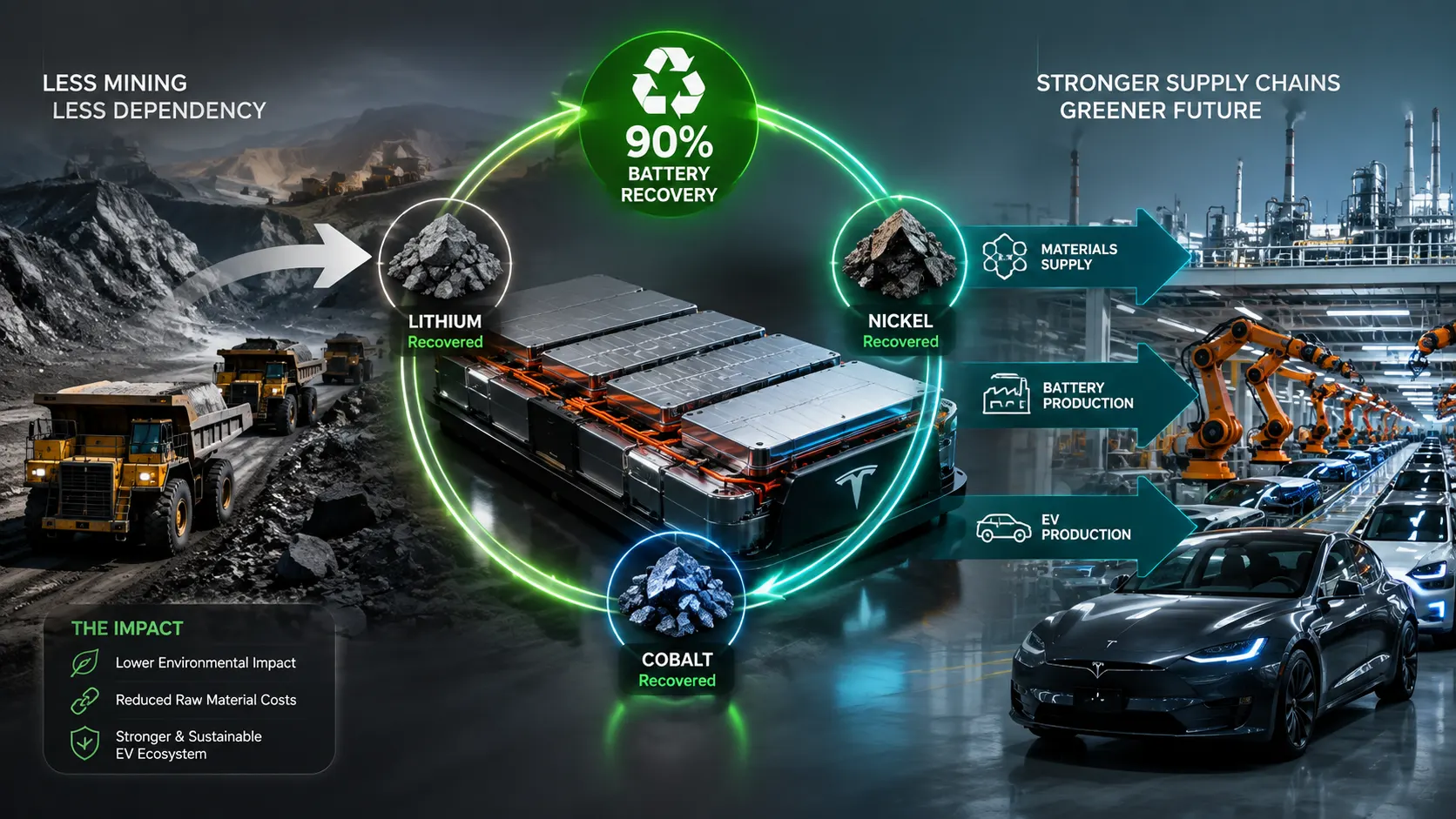
Tesla may have just changed the EV playbook. A reported 90% recovery rate sounds technical, but it can reshape sourcing economics.
What happens when recovered metals replace a big share of fresh mining demand? The market urgency is absolute: in an industry exposed to extreme price spikes and geopolitical bottlenecks, securing local materials matters now.
Why Battery Recovery Is a Supply-Chain Story
Tesla is not just recycling retired packs; it is rewriting the underlying economics of electric vehicle production. By achieving over 90% material recovery rates for critical elements like lithium, nickel, and cobalt, the automaker is turning old waste into fresh factory feedstock.
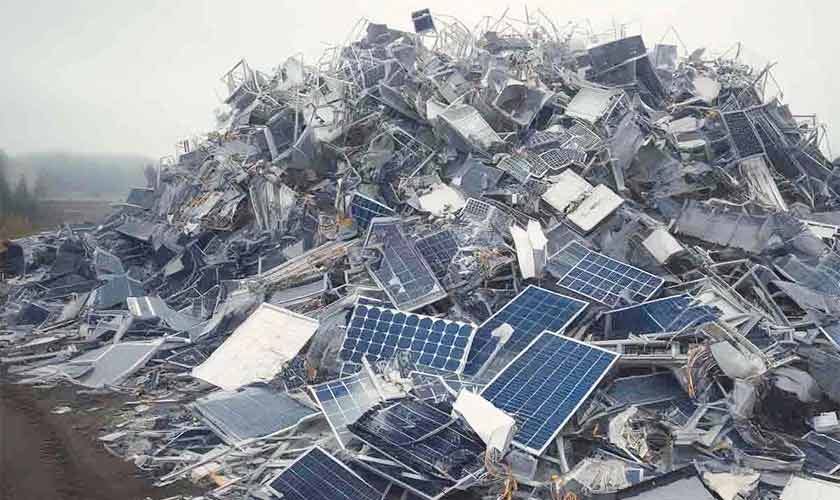
This closed-loop shift moves the conversation away from standard green marketing. Instead, it addresses raw material security head-on. When supply chains face unexpected disruptions, having an in-house recycling pipeline changes everything.
Can closed-loop manufacturing truly free automakers from the volatile global mining market?
How Recovered Metals Reduce Price Shocks
Mining raw minerals is expensive, dirty, and vulnerable to international trade disputes. Traditional supply chains rely heavily on extracting fresh resources from the earth.
When recycling facilities recover more than 90% of valuable metals, manufacturing plants bypass heavy commodity markups. This creates powerful price insulation against market volatility.
| Traditional Mining Model | Closed-Loop Recycling Model |
|---|---|
| High exposure to global commodity price swings | Stable internal supply of refined metals |
| Heavy reliance on overseas raw imports | Domestic material retention and reuse |
| Intense permitting and extraction delays | Faster turnaround from scrap to production line |
What Tesla’s Loop Means for EV Rivals
Competitors are watching closely as Tesla scales its hydrometallurgical recycling operations. Processing thousands of metric tons of battery scrap directly inside Gigafactory footprints cuts out third-party logistics margins.
“The strategic value of recycling is no longer about reducing landfill waste—it is about insulating vehicle margins from raw material shocks.” — Dr. Marcus Vance, Clean Energy Supply Chain Analyst
The Geopolitical Side of Battery Recycling
Critical minerals are the oil of the 21st century. Nations that control refining hubs hold immense geopolitical leverage over automotive manufacturing.
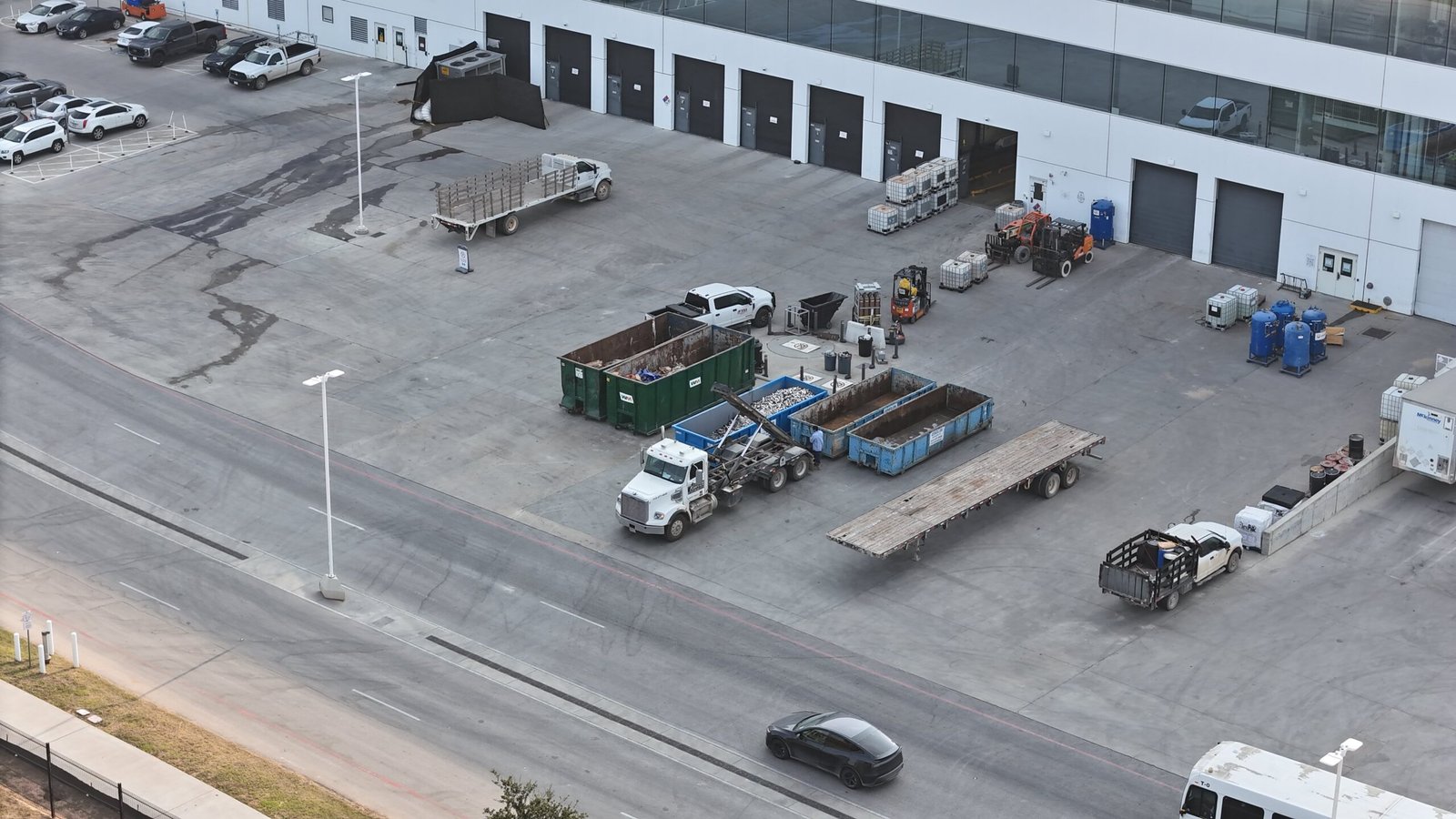
By capturing 90% plus of its own production scrap and end-of-life cells, Tesla reduces its foreign import dependence. Every recycled pack is a buffer against geopolitical trade restrictions.
- Resource independence: Less reliance on volatile mining regions.
- Cost predictability: Shielding production lines from sudden tariff hikes.
- Regulatory compliance: Meeting strict regional green sourcing mandates easily.
As traditional mines struggle to keep pace with demand, automakers without closed-loop systems risk getting left behind.
Our goal is for no Tesla battery to end up in a landfill.
— Tesla North America (@tesla_na) August 6, 2026
Across our US operations, we’re recovering more than 90% of key battery materials like nickel & cobalt from cells that we recycle
More details in our 2025 Impact Report https://t.co/6RS4myUvlm pic.twitter.com/wfYCd7QjP3
Can Closed-Loop Manufacturing Scale Fast Enough?
The ultimate test is speed. While recovery rates hit impressive targets, the volume of retiring electric vehicles will surge exponentially over the next decade.
For official details on production metrics and sustainability milestones, review Tesla’s Official Impact Report, check out Redwood Materials supply chain insights, and read industry coverage via Electrek’s EV battery analysis.
Will other legacy automakers be able to match this recovery speed before raw material shortages hit their bottom line?