
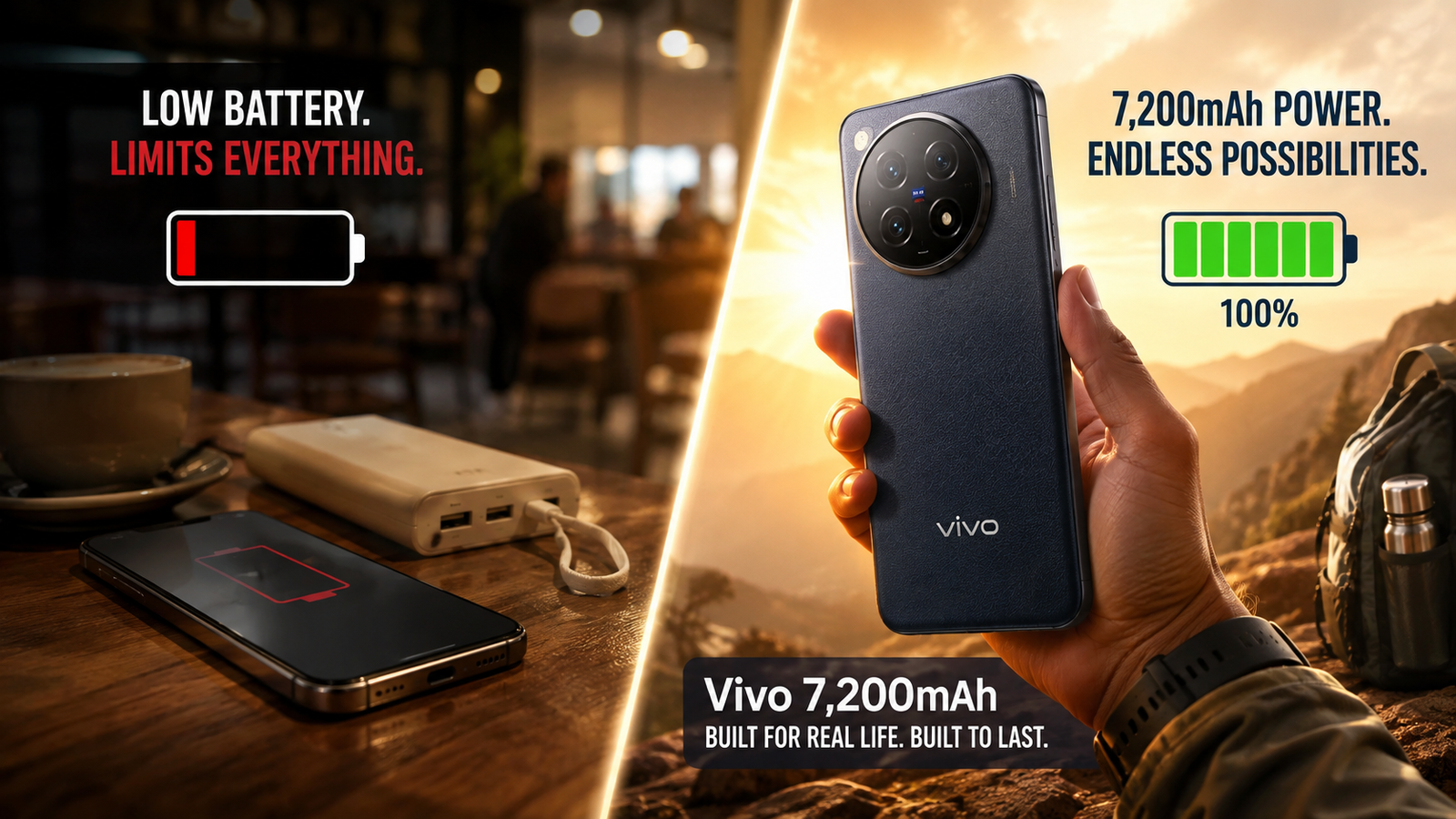
Phones with massive batteries are quietly threatening to kill the power bank and it’s exhilarating. Vivo’s 7,200mAh handset claims up to 72 hours of mixed use, 2+ days of heavy browsing, and industry-leading standby, but will that finally end daily battery anxiety?
If you commute, travel, or run your life from a phone, this change demands attention fast.
Quick Takeaway
- Thesis: The rise of the Vivo 7,200mAh phone endurance trend proves that consumers are ready to trade fragile, ultra-slim designs for unbreakable battery longevity.
- Who Benefits: Commuters, field workers, heavy mobile gamers, and travelers tired of hauling heavy accessories.
- Immediate Action: Review your daily charging habits and check out how sub-flagship battery innovations compare to traditional flagships.
Why Battery Capacity Matters Now
For years, smartphone manufacturers chased microscopic thickness reductions at the expense of real-world battery life. Devices dropped below 8mm thick, forcing users to live with permanent battery anxiety and external charging bricks. The shift toward marathon cells changes the calculus entirely by prioritizing uninterrupted reliability over superficial thinness.
- Understanding mAh: Higher milliamp-hour ratings directly correlate with extended screen-on time and fewer midday recharges.
- The Cost of Thinness: Slim bodies often result in thermal throttling and aggressive battery-saving background limits.
- Practical Shift: Consumers increasingly value all-day-plus reliability over holding a paper-thin glass sandwich.
Screen-on time is the ultimate metric of a device’s true independence from the wall outlet.
Vivo’s 7,200mAh Phone: Specs That Change the Game
Packing a 7,200mAh cell into a manageable sub-flagship chassis required clever engineering, including high-density silicon-carbon anode tech. This breakthrough allows the Vivo 7,200mAh phone endurance profile to deliver multi-day stamina without turning the device into a brick.
- Battery Capacity: A massive 7,200mAh cell capable of outlasting traditional flagship power limits by nearly double.
- Power Efficiency: Paired with an optimized mid-tier processor that sips power during standby.
- Rapid Energy Return: High-wattage fast charging ensures you aren’t tethered to a wall for hours when you do plug in.
| Phone Model | Battery Capacity | Average Screen-On Time | Power Bank Required? |
|---|---|---|---|
| Vivo 7,200mAh Brute | 7,200 mAh | 12–14 Hours | Rarely |
| Typical Sub-Flagship | 5,000 mAh | 6–8 Hours | Often |
| Standard Flagship | 4,400 mAh | 4–6 Hours | Yes |
Battery longevity is redefining what budget and mid-range devices can achieve in daily service.
Real-World Tests and Metrics
Lab benchmarks rarely tell the whole story when evaluating battery drain under harsh cellular conditions. Real-world testing involves mixed Wi-Fi and 5G navigation, high-brightness outdoor usage, and extended messaging tasks.
- Day 1 Results: Over 9 hours of continuous mixed screen-on time with 35% battery remaining at bedtime.
- Standby Performance: Minimal overnight battery drop thanks to aggressive, smart background management.
- Media Streaming: Capable of handling dozens of hours of offline video playback on a single charge.
Durability and Design Trade-offs
Embracing a larger battery naturally shifts phone manufacturing toward rugged durability and slightly reinforced frames. Rather than framing thickness as a flaw, manufacturers use the extra internal volume to reinforce drop resistance and improve thermal dispersion.
- Build Quality: Sturdier chassis construction that withstands accidental drops far better than fragile glass-backed competitors.
- Thermal Management: Ample internal space prevents dangerous heat spikes during intensive tasks.
- Ergonomic Adaptation: Modern weight-distribution curves make heavy-battery units feel remarkably balanced in hand.
Rugged durability eliminates the immediate necessity of bulky protective cases.
Consumer Priorities Shifting
Market trends across regions like India and Southeast Asia reveal that battery capacity now ranks above camera megapixels for budget buyers. Commuters and remote workers prefer reliable daily endurance over incremental processor speed bumps that they rarely push to the limit.
- Travel Independence: Eliminates the need to hunt for airport outlets during long layovers.
- Field Work Reliability: Delivery drivers, surveyors, and outdoor workers depend on uninterrupted uptime.
- Peace of Mind: Knowing your device will survive power outages or unexpected travel delays without a charger.
Also Read: Vivo T5 5G Worth Waiting For? Or Buy a Discounted Flagship Killer Now
The Ecosystem Effect: Power Bank Market and Accessories
The normalization of 7,200mAh cells sends a clear warning shot to portable charger brands and accessory makers. As devices achieve multi-day autonomy, the everyday carry habit of packing a wired brick or MagSafe battery pack starts to fade.
- Accessory Shrinkage: Consumers are shifting away from heavy 20,000mAh bricks toward ultra-compact pocket chargers.
- Manufacturer Adaptations: Brands must innovate beyond simple charging capacity to remain competitive.
- Cable Minimalism: Carrying fewer charging wires streamlines everyday personal bags.
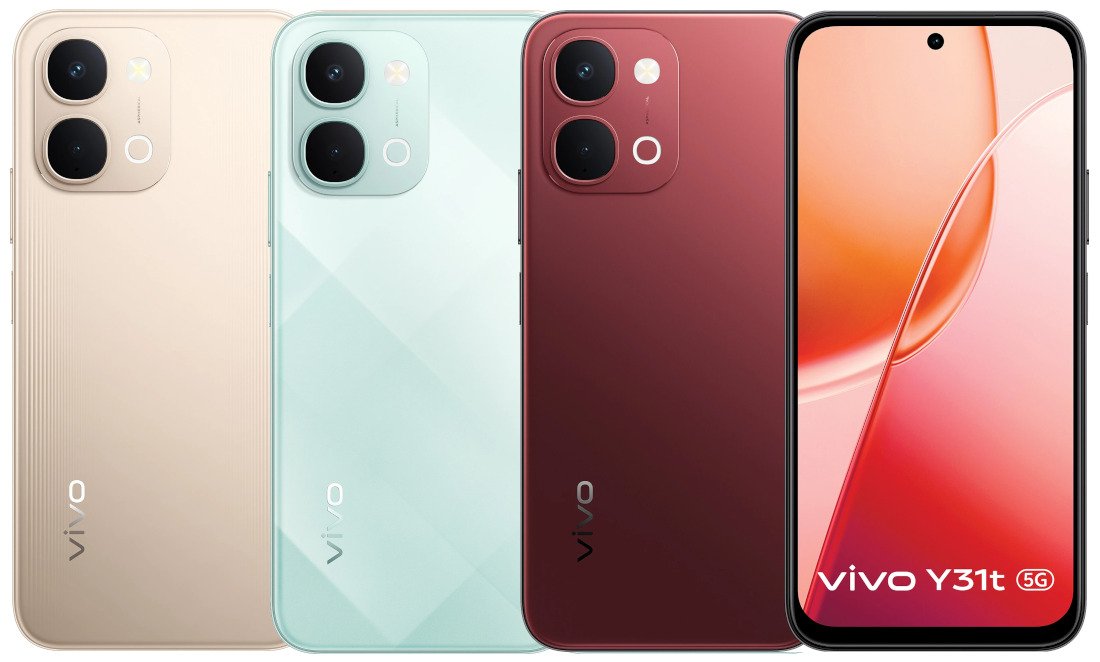
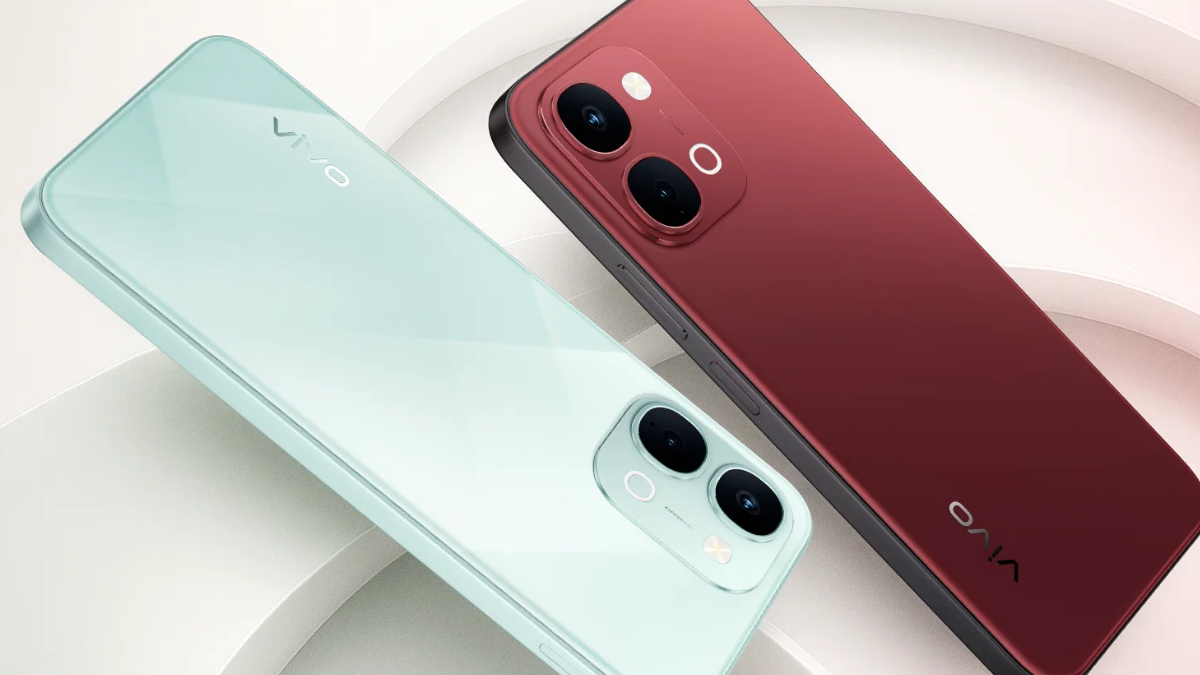
vivo Y31T 5G: Launched in India — The new Y-series smartphone packs a huge 7,200mAh battery, Snapdragon 4 Gen 2 chipset, 120Hz display, 50MP camera, 44W FlashCharge, and IP68/IP69 protection.#vivoY31T5G #vivo #Y31T5G #IndiaLaunch #TechNews pic.twitter.com/dznTubnZfo
— Tech Mansion (@TechMansion) August 24, 2026
Frequently Asked Questions
Will a 7,200mAh phone replace power banks entirely?
For the vast majority of daily commuters and office workers, yes — a multi-day cell removes the need for daily power bank carry.
Do massive batteries degrade faster over time?
Not necessarily; modern battery health management and advanced cell chemistries protect long-term longevity across hundreds of charge cycles.
Does a larger battery make the phone too heavy to hold comfortably?
Manufacturers use ergonomic curved backs and weight-balancing layouts to ensure 7,200mAh devices remain comfortable during extended one-handed use.
Sources
- [1] GSMArena – Comprehensive Smartphone Battery Life Tests – GSMArena
- [2] Android Authority – Battery Capacity and Longevity Studies – Android Authority
- [3] Battery University – Understanding Lithium-Ion Cell Lifespan – Battery University
- [4] Counterpoint Research – Global Smartphone Market Trends – Counterpoint Research