
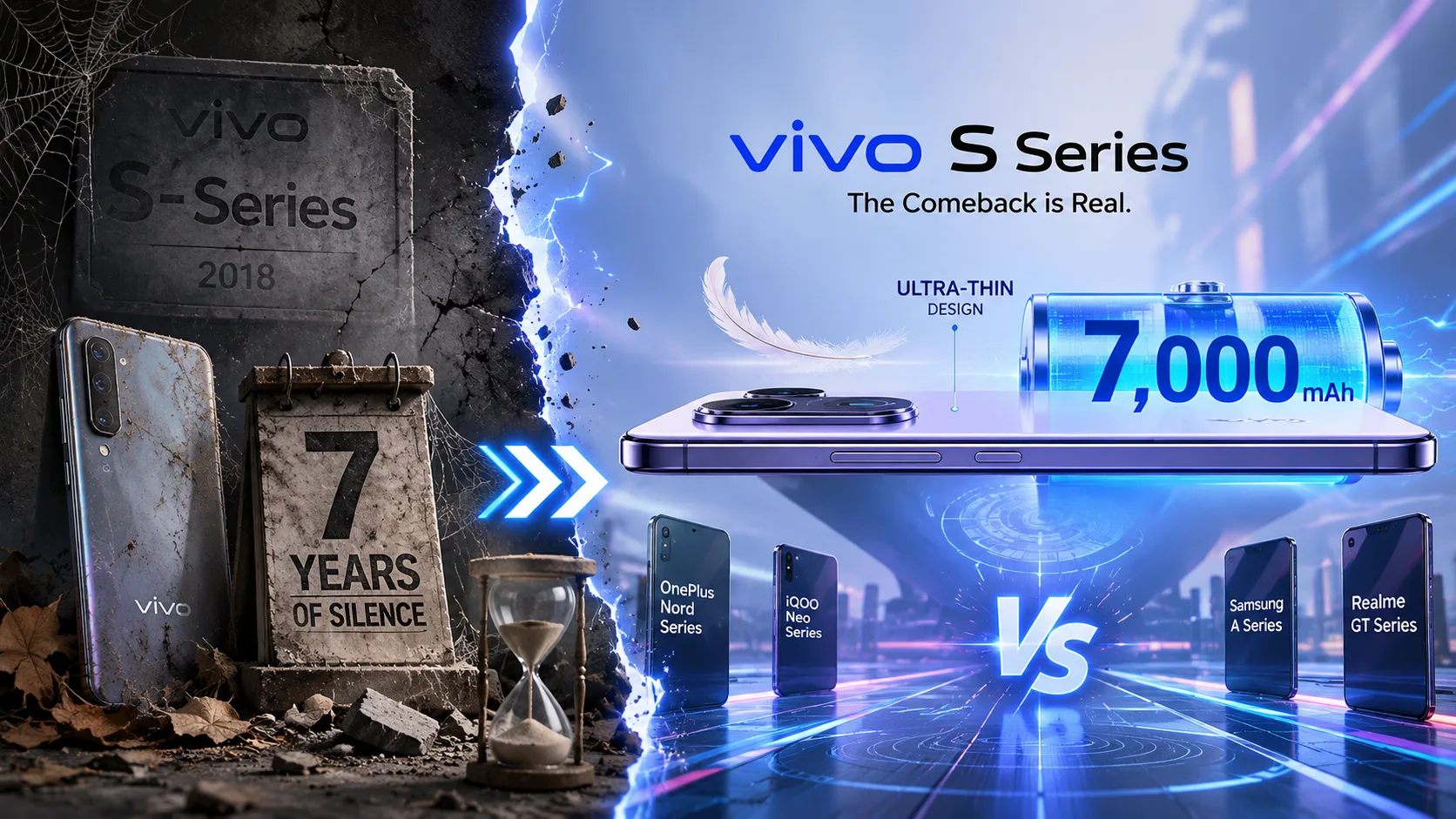
After fading into the background of smartphone history, Vivo’s S-series is mounting a sudden comeback. The timing isn’t accidental, it arrives just as the premium mid-range market hits a chaotic boiling point.
The Comeback Nobody Expected
Seven years after quietly shelving the badge in key markets, Vivo is resurrecting the S-series. Rather than easing back in with a conservative budget device, the company is diving headfirst into the sub-₹50,000 brawl. The move brings a dormant brand name back into a landscape defined by fierce hardware escalation, landing right when buyers are demanding flagship-level polish without flagship-level prices.
Why This Matters Now
The ₹40,000–₹50,000 segment has quickly become the most contested battleground in mobile tech. Brands are no longer winning this territory with incremental spec bumps; success requires a sharp, singular identity.
By reviving the S-line, Vivo isn’t just releasing another phone to fill a price gap. It is launching a direct counterattack against heavyweights like the OnePlus 13R and real-world competitors like the Reno 16 series, signaling a shift from defensive market sharing to aggressive category capture.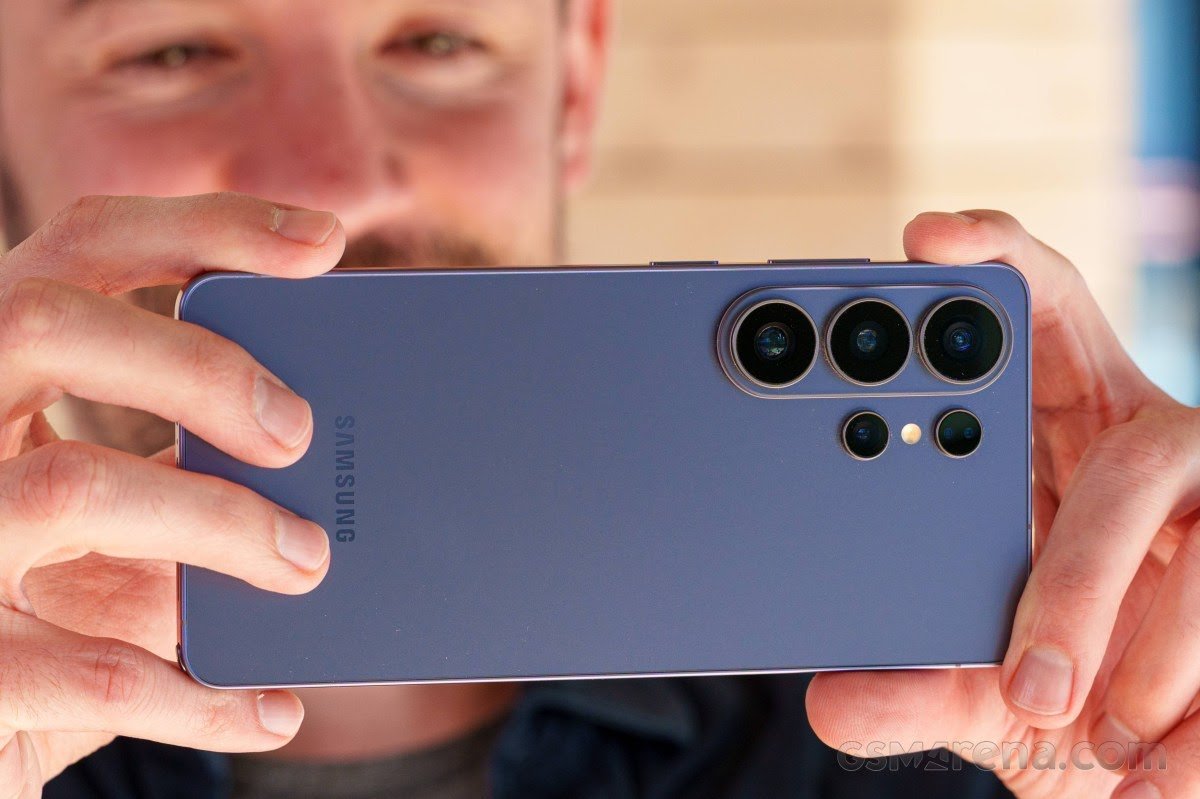
The “Ghost Badge” Story
To understand why this revival is significant, you have to look back at the original trajectory of the S-series. When the Vivo S1 debuted years ago, it served as an early experiment in design-forward mid-rangers. Soon after, Vivo shifted its global focus toward building the camera-heavy V-series and scaling its flagship X-series, leaving the S badge untouched for nearly a decade.
Bringing back a dormant sub-brand carries real risks. If the device feels uninspired, it risks diluting Vivo’s portfolio; if it succeeds, it gives the company a brand-new pillar to capture buyers who have grown fatigued by standard lineup naming schemes.
The Core Tension: Ultra-Thin Meets 7,000mAh
The defining feature of this revival lies in a fundamental hardware compromise that Vivo claims to have solved: pairing an ultra-sleek, lightweight body with a massive 7,000mAh silicon-carbon battery.
Historically, buyers had to choose between two compromises:
• Sleek, ergonomic design paired with mediocre single-day battery capacity.
• Multi-day endurance contained inside a bulky, heavy brick.
By leveraging higher-density silicon-anode battery technology, Vivo is making battery life the core headline feature without sacrificing the razor-thin aesthetics that defined the early S-series design philosophy.
The ₹40K–₹50K Arena
In this price bracket, standard specs are no longer enough to stand out:
| Brand Target | Key Focus | The Tradeoff |
|---|---|---|
| OnePlus R-Series | Raw Performance & Speed | Conservative Camera Hardware |
| Oppo / Reno | Portrait Cameras & Aesthetics | Moderate Battery Capacities |
| Vivo S-Series Revival | Thin Ergonomics + 7,000mAh Power | High Pricing Expectations |
While rivals focus on computational photography or peak gaming frame rates, Vivo’s gamble rests on solving everyday battery anxiety—a pain point every smartphone user relates to instantly.
What This Signals for the Market
Vivo’s resurrection of the S-series indicates a broader trend across the industry: the era of generic mid-range phones is officially over. As component costs rise and consumers hold onto their devices longer, manufacturers are forced to take bolder product risks to drive upgrades.
If an ultra-thin 7,000mAh device succeeds in the mid-premium segment, expect rival manufacturers to follow suit, turning high-density battery tech into the new minimum requirement for every phone above ₹40,000.