
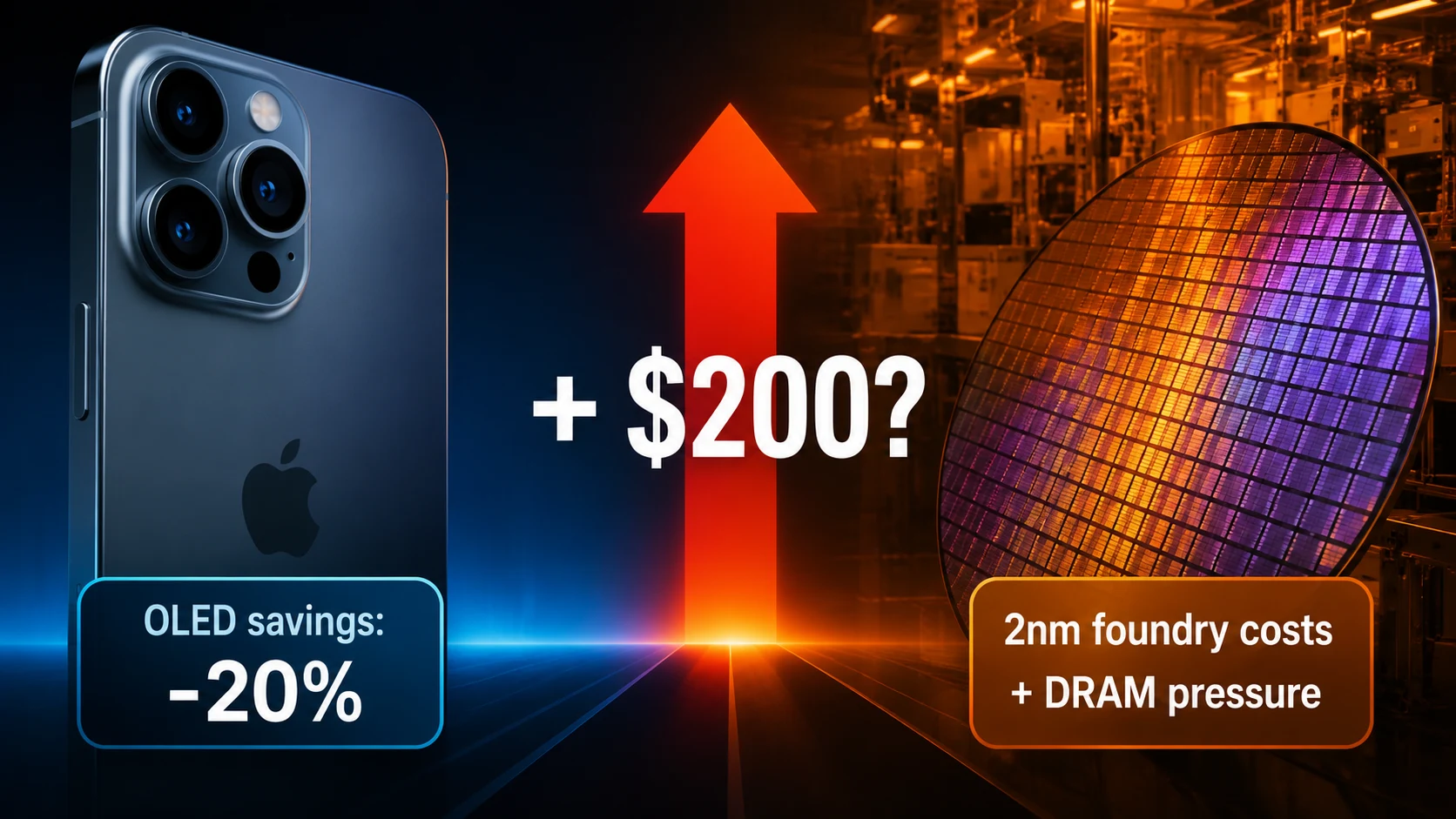
Apple just stunned suppliers by slashing iPhone 18 Pro OLED panel prices by 20%, saving nearly $13.50 per screen. But TSMC’s next-generation 2nm wafer price has skyrocketed to $30,000, marking a massive 50% cost jump over previous 3nm chips.
Will OLED savings be enough to protect buyers from a $200 price hike? As DRAM memory inflation threatens flagship margins, Apple faces an immediate pricing crisis.
The Price Shock
Supply chain reports confirm Apple is negotiating aggressive component discounts to protect its hardware margins ahead of 2026.
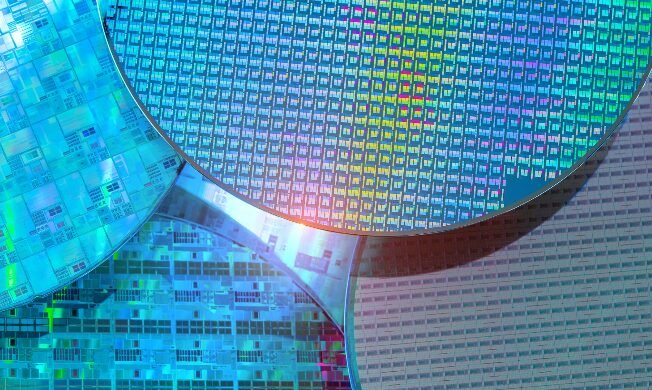
That sounds like a win — until you look at the silicon bill. TSMC’s transition to Gate-All-Around (GAA) architecture at 2nm is raising die costs by up to 80%. Market analysts warn that these compounding pressures could shatter Apple’s standard pricing tiers and force a major consumer price jump.
Where Apple Saved Money
Apple successfully negotiated a lower procurement price for its top-tier OLED displays from Samsung Display and LG Display.
| Cost Driver | Direction | Why It Matters |
|---|---|---|
| OLED Panels | Down ~20% | Panel cost drops from ~$80 to $66.50 per display. |
| 2nm Fabrication | Up ~50% | TSMC wafers soar to $30,000 per wafer. |
| DRAM Memory | Up ~15–25% | AI data center demand squeezes mobile memory supply. |
| Advanced Packaging | Up ~10% | Complex chiplet integration adds assembly overhead. |
Saving $13.50 on a display panel feels significant. But when the central processor cost leaps by over $100 per unit, those display savings disappear instantly.
Why 2nm Is So Expensive
The jump to 2nm represents the semiconductor industry’s steepest cost escalation in over two decades.
- Doubled EUV Exposure: Manufacturing 2nm nanosheets requires twice as many Extreme Ultraviolet lithography steps.
- GAA Transistor Structure: Moving away from FinFET demands billions in specialized fabrication tooling.
- Early Yield Constraints: Initial production runs yield fewer usable dies per wafer, driving up individual chip costs.
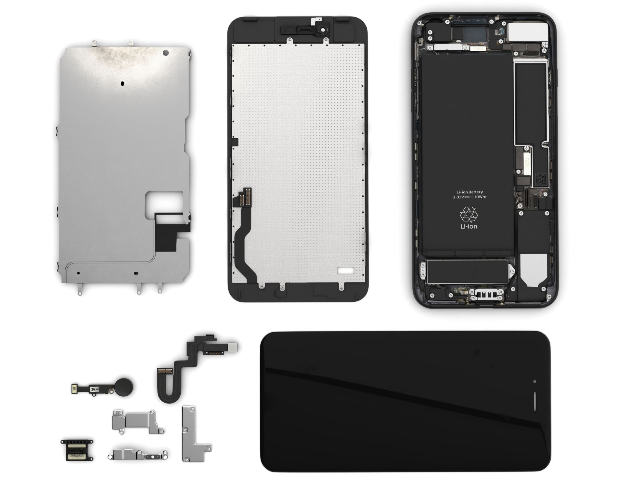
Can a $13 display discount offset a $30,000 wafer bill? Even if Apple saves in one area, the chip bill may wipe it out in another.
The DRAM Memory Problem
Silicon wafers are not the only component fueling cost inflation across mobile hardware.
- AI Data Center Competition: Hyperscalers are hoarding high-bandwidth memory, tightening global mobile supply.
- NAND Flash Price Surge: On-device AI features demand 12GB to 16GB RAM configurations, multiplying raw memory costs.
- Packaging Overheads: Stacking memory directly alongside the A20 Bionic processor increases test failure risks.
“At advanced nodes, cost per transistor no longer falls as cleanly as consumers expect. The savings from one component disappear once the silicon stack gets more expensive.” — Semiconductor Supply Chain Analyst
And that’s where the real squeeze happens.
The iPhone 18 Pro could fully replace Qualcomm modems with Apple’s custom C2 cellular chip worldwide!
Qualcomm expects its component share in Apple’s upcoming iPhone launch to drop well below 20%. This strongly suggests that Apple will deploy its in-house C2 modem across the… pic.twitter.com/DWaIvAKJfN — Apple Cycle (@theapplecycle) July 31, 2026
What Apple May Do Next
Apple has several strategic choices to manage rising bill-of-materials costs without alienating buyers.
- Absorb Part of the Margin Drop: Suffer lower gross hardware margins to keep base pricing stable.
- Pro Tier Separation: Keep standard models at current price points while applying the $200 price hike exclusively to Pro tier models.
- Base Storage Bump: Raise the starting price to $1,199 while making 256GB or 512GB standard across all Pro models.
Will Apple’s OLED savings be enough to protect buyers from the 2nm bill, or is a premium price hike already baked in?
Official supply chain and procurement details are sourced from Gadgets Now Supply Chain Reports and The Elec Industry Analysis.