
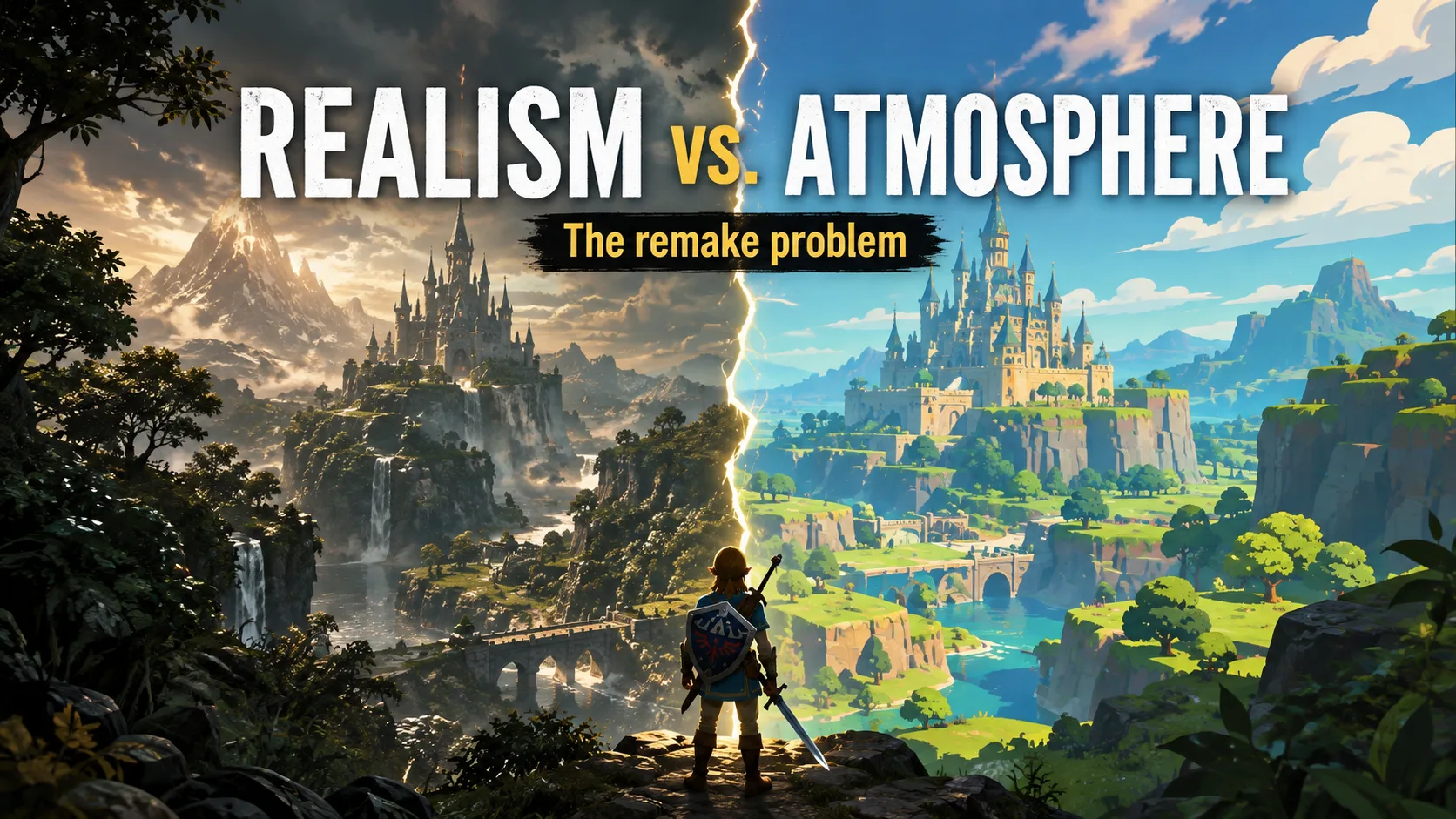
Unreal Engine 5 has stunningly weaponized nostalgic game worlds into cinematic showcases—but that raw visual power could entirely destroy what made them unforgettable.
Fan-made renders routinely add high-resolution textures, dense geometry, and dramatic lighting in a matter of months. Yet, a faithful remake must solve a much harder problem: how do you modernize a world without modernizing away its identity?
With fan debates growing fiercer by the day, the question is no longer whether a classic can look better—it is whether it can still feel the same.
1. The Unreal Engine 5 Temptation
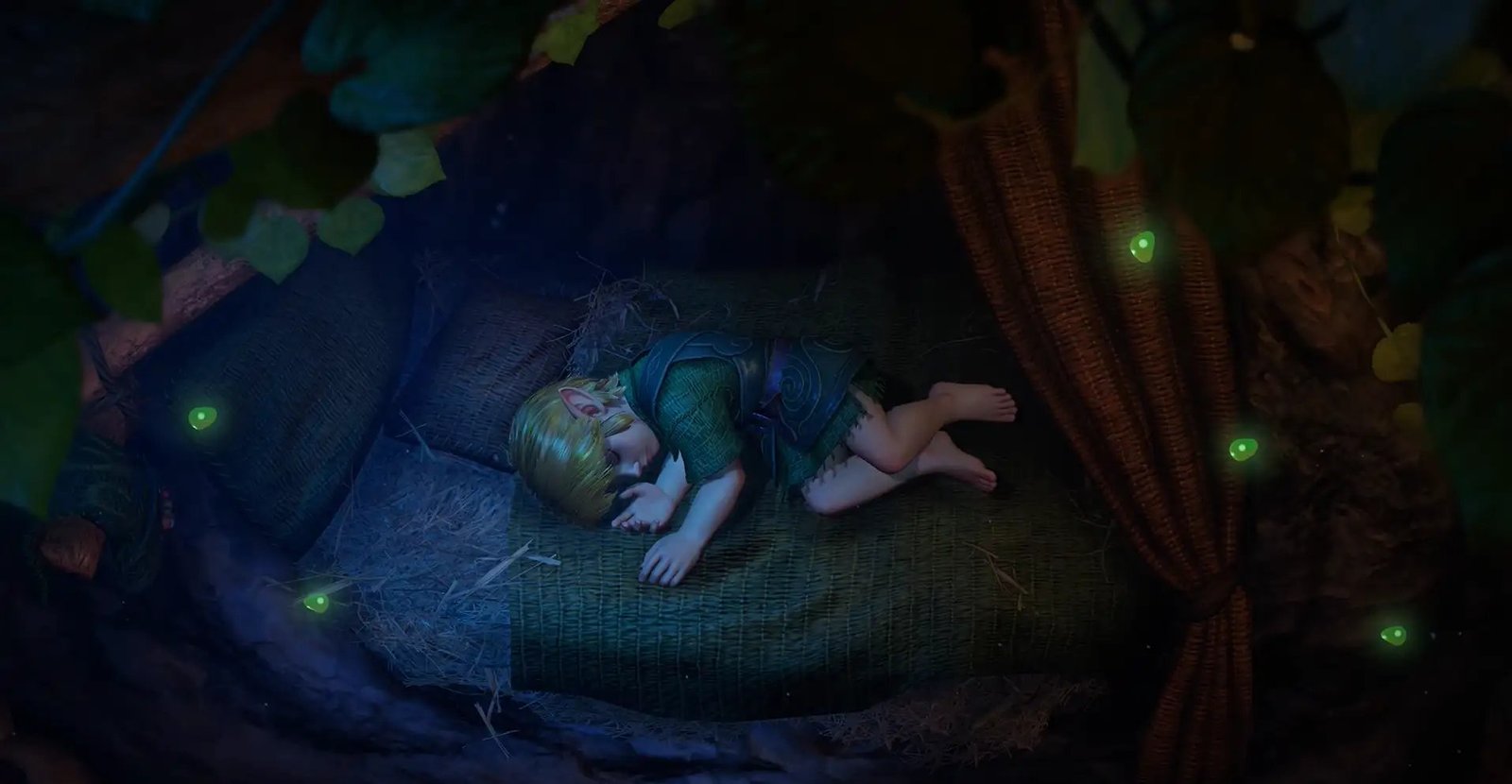
Unreal Engine 5 has ignited a fierce debate over the future of classic game remakes. Its lighting systems, geometry tools, and realistic materials can make a familiar world appear almost cinematic, but would that realism improve the experience—or erase its soul?
Fan-made renders routinely showcase higher-detail environments, richer shadows, and more lifelike surfaces, while original art directions often relied on stylized colors, atmospheric haze, and deliberate visual restraint.
| Unreal Engine 5 Appeal | What It Adds | Possible Downside |
|---|---|---|
| High-detail geometry | Denser environments and character models | Can make the world feel visually busy |
| Real-time global illumination | More realistic light and shadow | May remove the original’s visual softness |
| Physically based materials | Convincing stone, wood, and metal | Can make stylized surfaces look generic |
Would you rather explore a technically perfect version of the world—or one that preserves the strange, dreamlike feeling of the original?
2. A Technical Upgrade Is Not an Artistic Upgrade
Polygon counts are only one fraction of a game’s true visual identity. A modern engine can dramatically improve texture resolution, global illumination, and draw distances.
However, these computational improvements do not automatically preserve original color relationships, visual hierarchy, or atmospheric fog. A remake can easily be technically impressive and artistically inaccurate at the exact same time.
The more realistic a virtual world becomes, the more obvious its artificial design flaws appear.
3. What Nintendo’s “Polish” Really Means
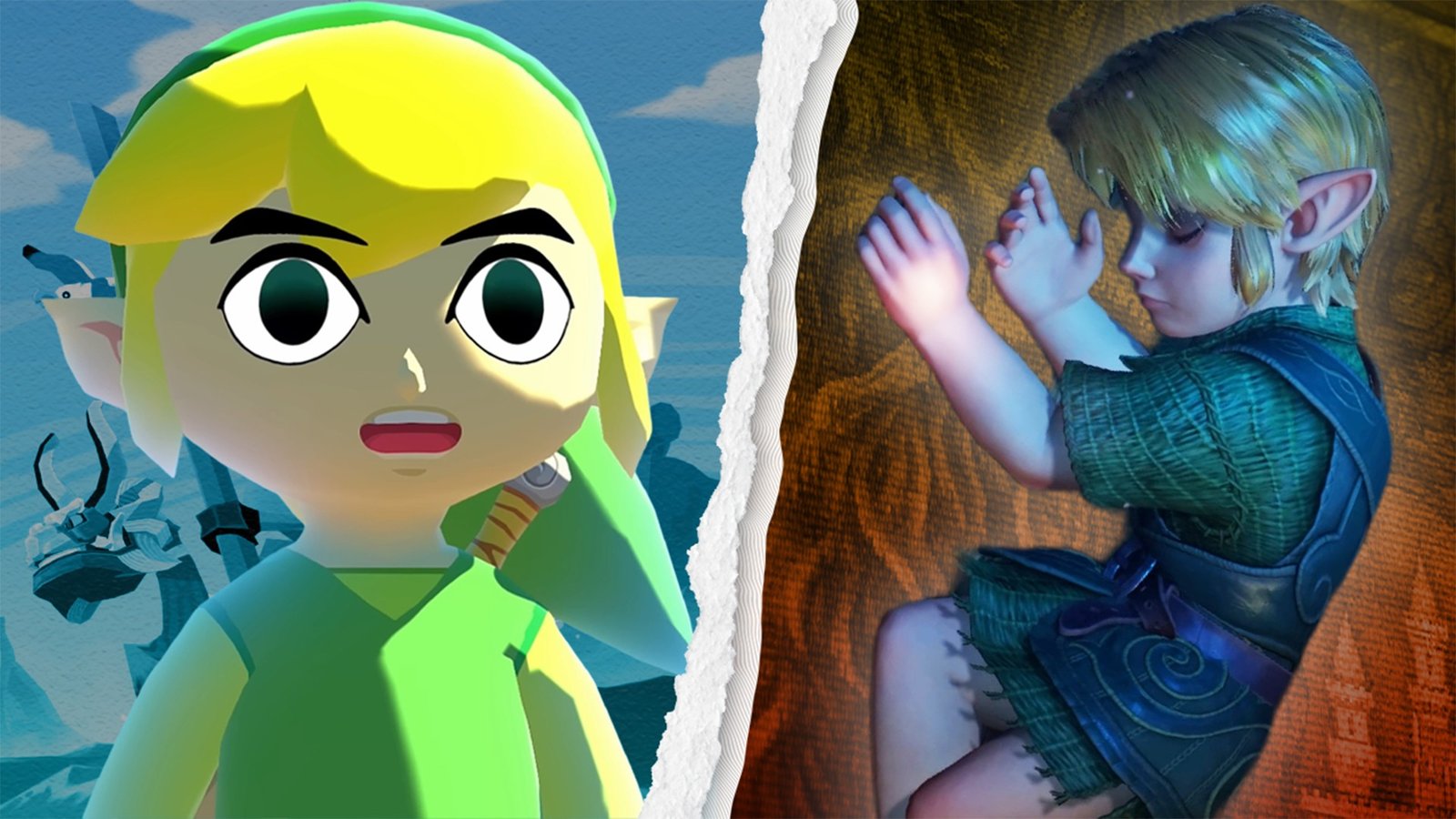
Nintendo’s signature look is rarely just “cartoonish.” True visual polish comes from careful control over color, contrast, movement, and visual emphasis.
An art director must intentionally decide which objects attract attention first, where fog hides the edge of the world, and how to keep a scene peaceful rather than intimidating.
“Stylized art direction requires absolute discipline; adding realistic lighting to an environment built for simplicity can unintentionally break its emotional storytelling,” notes senior environment artist Elena Rostova in a recent GDC Developer Interview.
4. Why Atmosphere Is Harder Than Polygons
Atmospheric lighting is never just a filter placed over a finished environment. It actively influences how players interpret space, danger, and emotion.
| Original-Style Approach | Hyper-Realistic Approach |
|---|---|
| Soft, stylized shadows | Stronger directional ray-traced shadows |
| Limited color palette | Physically accurate, complex colors |
| Haze and heavy fog | Volumetric depth and particle detail |
A darker, realistic forest may look incredible in a static screenshot, but it can feel claustrophobic or confusing in motion. The ultimate challenge is making the scene beautiful in the same emotional language.
5. Two Definitions of Faithfulness
The gaming community is heavily divided on what a proper remake should achieve. Some fans define faithfulness as preserving the original mood, while others define it as realizing the world’s implied potential with modern hardware.
- Nostalgia seekers: Desire familiar colors, proportions, and lighting.
- Immersion seekers: Want realistic weather, physical materials, and massive scale.
- Purists: Demand clear silhouettes and uncluttered, readable scenes.
At what point does a visual upgrade stop being a tribute and become a complete reinterpretation?
6. The Five Non-Negotiables for Developers
To succeed, a remake must balance modern performance with artistic integrity:
- Color identity: Preserve the precise relationships between greens, blues, and warm highlights.
- Lighting rhythm: Keep peaceful, threatening, and mysterious locations emotionally distinct.
- Silhouette clarity: Ensure characters and interactive objects remain instantly readable.
- Environmental restraint: Avoid filling every empty space with excessive foliage or particles.
- Sense of mystery: Leave intentional room for shadow, distance, and suggestion.
Trails in the Sky 2nd Chapter launches September 17
— PlayStation (@PlayStation) August 7, 2026
New trailer for the RPG remake: https://t.co/S1w8soUU0d pic.twitter.com/mPAPup2Jib
If every corner is fully illuminated and every texture is hyper-realistic, what happens to the joy of secret discovery?
Explore authoritative architectural and technical sources: