
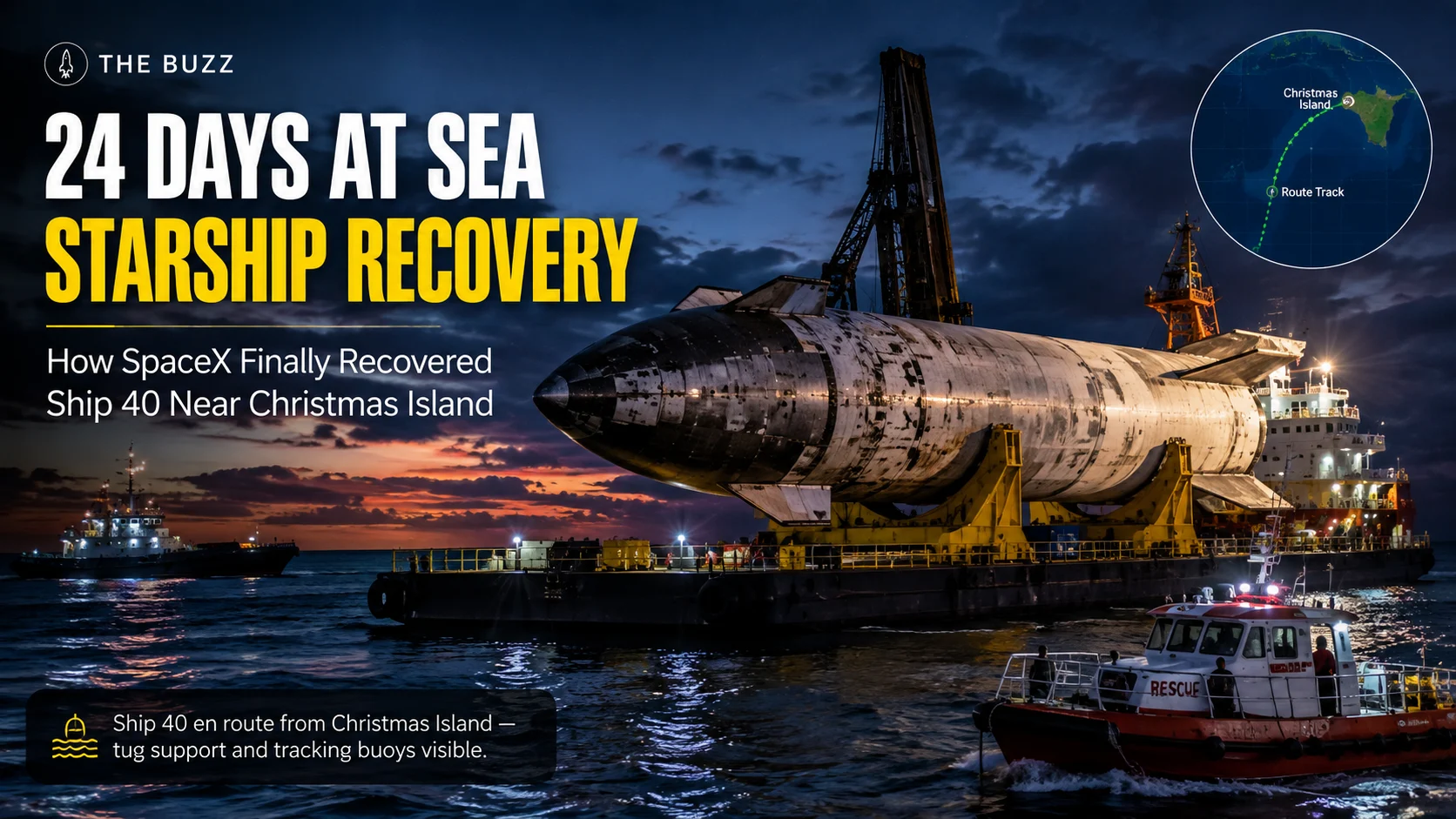
Rescue teams raced as waves slammed — and hopes hung on one thin towline. After 24 days at sea, Ship 40 arrived under tow near Christmas Island following an odyssey that spanned 2,000+ nautical miles, involved five escort vessels, and faced sea states above Beaufort 7 on multiple days.
How did marine crews keep a fragile aerospace vehicle safe across the open Pacific while storms closed in? This article maps the timeline, the tough engineering choices, and the human grit that made the 24 Days at Sea Starship Recovery possible.
The 24-Day Odyssey
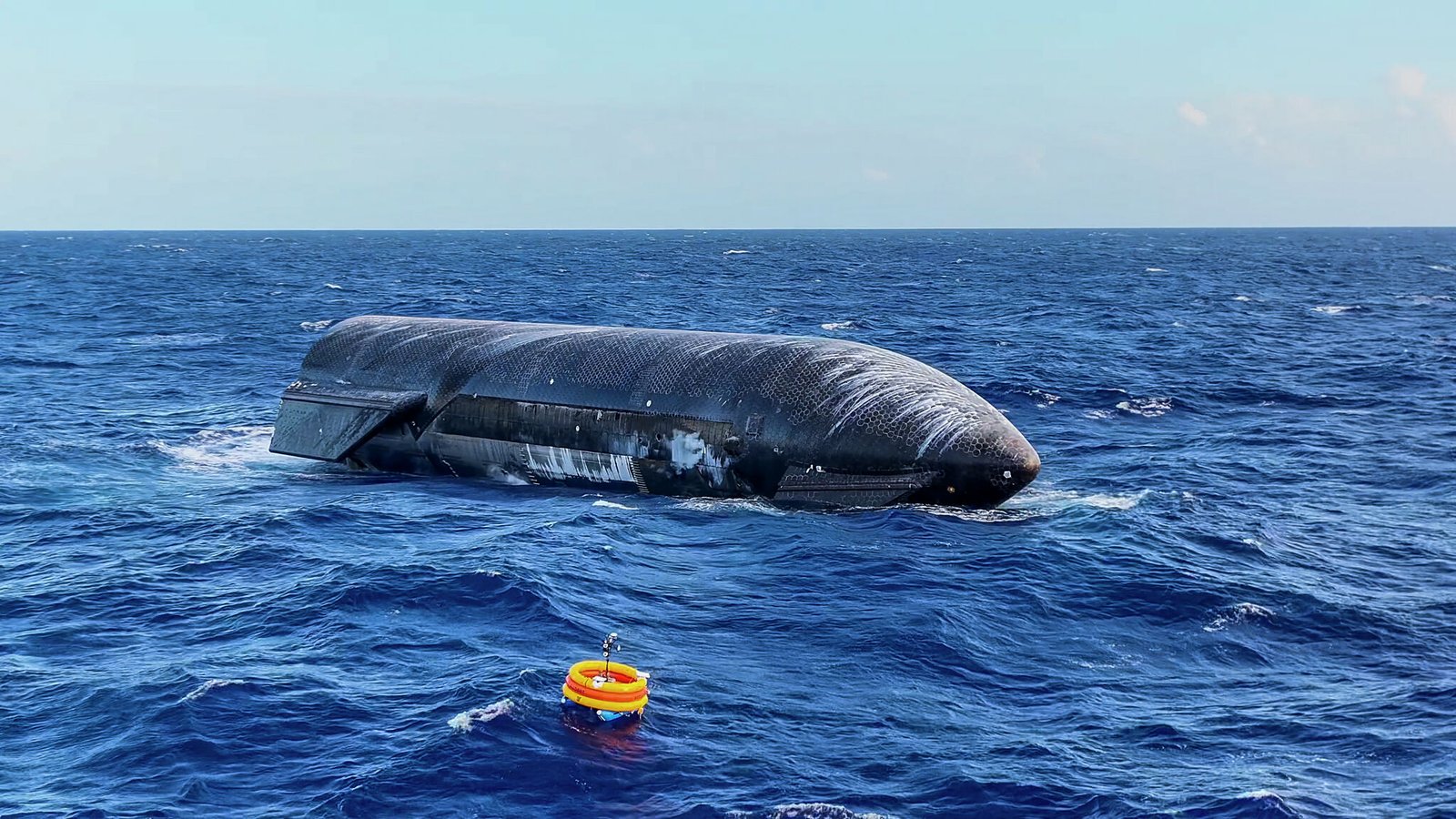
Launch and Drift: Day 0–3
Following an offshore flight test, Ship 40 safely splashed down in the Pacific Ocean. SpaceX telemetry teams immediately locked onto the vehicle’s GPS beacons while primary recovery vessels steamed toward the drop zone.
Tracking and First Tow: Day 4–10
As initial salvage assets arrived on station, crews established a secure connection using heavy synthetic towline management systems. The first week tested dynamic positioning and asset coordination in open waters.
Storms and Repairs: Day 11–18
An approaching low-pressure front forced a drastic reduction in tow speed. Rough sea states battered the hull, requiring persistent ROV inspections and structural check-ins to monitor stress points.
Final Run to Christmas Island: Day 19–24
With weather windows finally clearing, the flotilla pushed through the final leg of the transit. Ship 40 was carefully maneuvered into sheltered coastal waters near Christmas Island (Kiritimati).
“Would you have prioritized an immediate storm detour or pressed on to save time?” Navigating maritime variables in deep water remains one of aerospace recovery’s toughest challenges.
The Marine Logistics Playbook
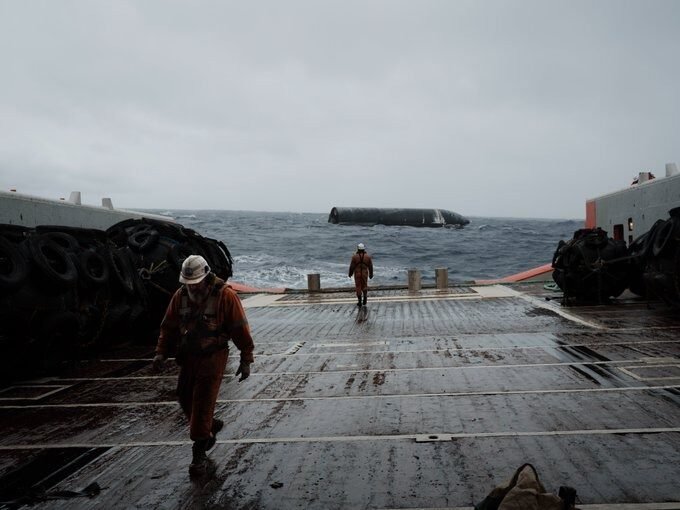
Vessels and Roles — Tugs, Barges, and Support Ships
Executing a recovery of this scale requires a synchronized fleet of offshore supply vessels, heavy-duty ocean-going tugs, and specialized platforms. Every ship plays a critical role in maintaining formation and ensuring cargo stability.
Towline Engineering: Materials, Catenary, and Shock Loads
Pulling a massive aerospace hardware structure through rolling swells requires advanced shock-absorbing lines. Engineers utilize catenary curves and high-tensile synthetic ropes to dampen violent snap loads caused by ocean swells.
Dynamic Positioning and GPS Telemetry
Offshore assets rely heavily on multi-band satellite links and subsea acoustic transponders. This constant data feed allows vessel captains to hold precise station coordinates regardless of surface winds.
Quick Facts: Recovery Metrics at a Glance
| Metric | Recorded Value |
|---|---|
| Total Days at Sea | 24 Days |
| Nautical Miles Traveled | ~2,000+ nm |
| Support Vessels Involved | 5 Ships |
| Subsea ROV Dives | 12 Inspections |
| Peak Sea State | Beaufort 7 |
Weather, Waves, and Ocean Routing
Ocean conditions dictate the pace of every salvage operation. Unexpected swells can turn a routine transit into a high-stakes endurance test.
Weather windows and routing decisions
Meteorologists continuously re-routed the fleet to steer clear of tropical squalls and severe wind bands. Avoiding high-risk zones prevented excessive towline fatigue.
Sea states that force course changes
When conditions exceeded Beaufort 7 standards, captains adjusted headings to prevent damaging harmonic resonances on the vehicle structure.
“Which part of the recovery surprised you most — the punishing weather or the subsea remote fixes?” Share your thoughts in the comments below.
Inspections, Repairs, and Remote Tools
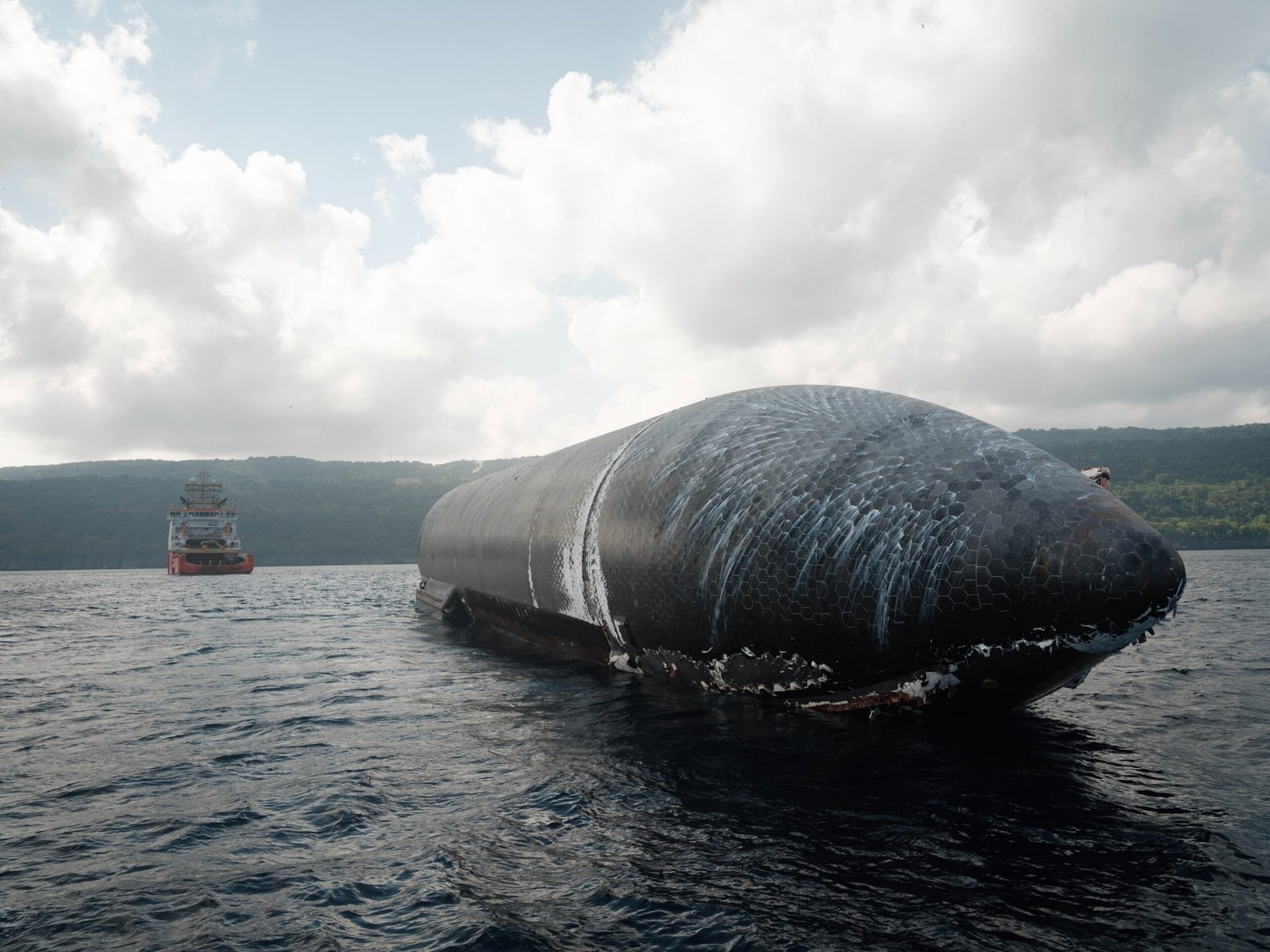
Maintaining structural integrity out in the open ocean demands constant vigilance and specialized underwater technology.
- ROV surveys: Remote-operated vehicles checked hull seals and bracket mounts daily.
- Onboard patching: Crews applied temporary protective sealants during calm weather lulls.
- Telemetry checks: Real-time sensor diagnostics reported internal pressure and structural stress.
These meticulous salvage operations ensured Ship 40 stayed structurally sound from open water all the way to port delivery.
Safety, Legal and Environmental Constraints
Operating near fragile marine ecosystems requires strict compliance with international maritime laws and local sovereignty protections.
Coordinating closely with maritime authorities near Christmas Island, the mission adhered strictly to zero-discharge policies. Environmental observers monitored the convoy to protect local marine wildlife throughout every stage of the tow.
Human Story — The Crews Behind the Tow
Behind every successful modern space milestone lies weeks of grueling physical labor by seasoned merchant mariners and technical specialists.
Sleep deprivation and unpredictable weather tested crew morale daily. Rotational shift schedules and satellite communication links home helped maintain focus during the most challenging multi-day storms.
FAQs
Why tow instead of fly home?
Ship 40 is designed for water landings and lacks atmospheric jet-powered return capabilities, requiring maritime recovery.
How do tugs handle the weight?
High-torque winches and specialized synthetic lines distribute the towing stress safely across rolling swells.
Who oversees the operation?
Commercial salvage experts work side-by-side with aerospace recovery engineers.
What is next for Ship 40?
The vehicle will undergo thorough structural forensic analysis to inform future iterations.
How long did the entire transit take?
Exactly 24 days from initial open-water hookup to final port arrival.
A surreal sight from the hills of Christmas Island.
— Interesting World (@_fluxfeeds) August 19, 2026
SpaceX’s Starship S40 being towed into Flying Fish Cove after weeks at sea. pic.twitter.com/IJvqMZkysD