
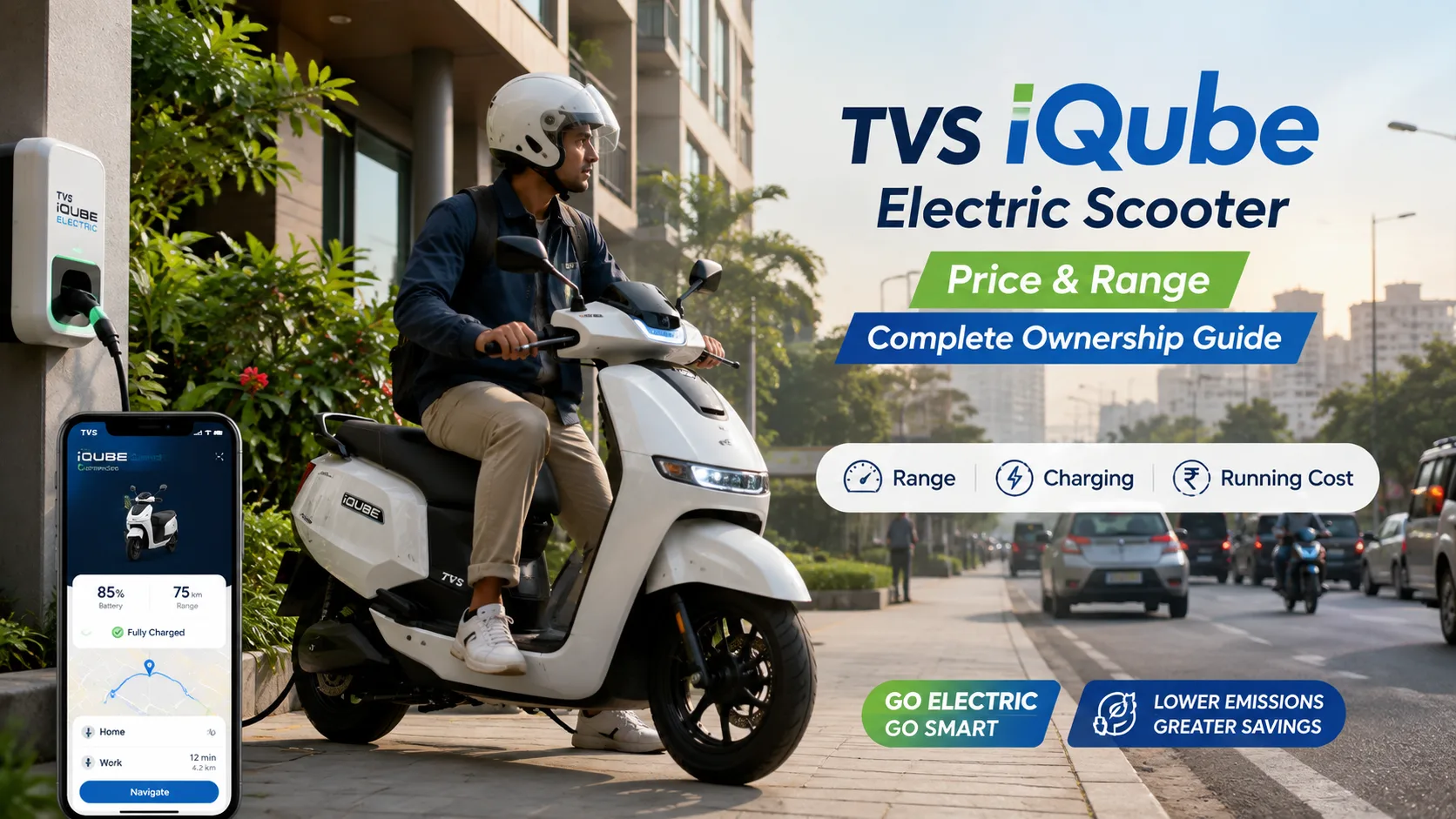
Petrol prices are squeezing household budgets, and city traffic is making short commutes feel longer every year.
The TVS iQube claims up to 212 km of IDC range in its largest configuration, while official charging times vary from under three hours to more than four hours for 0–80% charging, depending on the variant. Can this electric scooter really replace a petrol model, or is the saving only attractive on paper?
For office commuters, students, families, and local business owners, the answer depends on three numbers: daily distance, home electricity cost, and charging access. This guide explains the TVS iQube price, practical range, charging time, maintenance, and monthly running-cost savings in simple terms.
TVS iQube Price in India
When looking at electric vehicle pricing, remember that the ex-showroom price is not the final amount you pay. The on-road price includes registration, insurance, accessories, municipal taxes, and applicable government incentives or state subsidies.
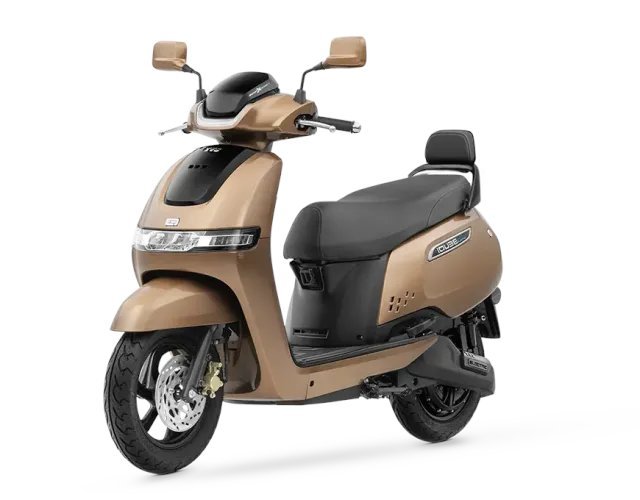
TVS iQube Variants & Pricing Overview
| Variant | Battery size | Claimed range | Ex-showroom price | Best suited for |
|---|---|---|---|---|
| iQube base | 2.2 kWh | 114 km (IDC) | Check local dealer | Short daily commutes |
| Mid-range variant | 3.4 kWh | 145 km (IDC) | Check local dealer | Regular office travel |
| iQube S | 3.4 kWh | 145 km (IDC) | Check local dealer | Feature-focused buyers |
| iQube ST | 5.1 / 5.3 kWh | Up to 212 km (IDC) | Check local dealer | Longer commutes |
Note: Prices and exact variant line-ups vary by city, dealer handling charges, and state-level EV policies. Always request an itemized on-road quotation before booking.
TVS iQube Range: Claimed vs Real World
Range anxiety remains one of the biggest hurdles for first-time electric vehicle buyers. Understanding how manufacturers test range versus how scooters perform in everyday traffic is essential.
Understanding IDC Range
IDC (Indian Driving Cycle) range is a controlled laboratory test figure, not a guarantee of the distance every rider will achieve. Real-world efficiency fluctuates based on several variables:
- Riding Mode: Eco mode preserves battery life, whereas Sport or Power mode drains energy significantly faster.
- Traffic & Terrain: Frequent stop-and-go acceleration in heavy urban gridlock or climbing inclines increases power draw.
- Payload: Riding with a pillion passenger or heavy cargo reduces overall range.
- Environmental Factors: Ambient temperature and tyre pressure play crucial roles in battery efficiency.
How Long Does the TVS iQube Take to Charge?
Charging times vary based on battery capacity, charger amperage, and the current state of charge. TVS lists 0–80% charging times ranging from about 2 hours 50 minutes to over 4 hours depending on the chosen configuration.
Safe Home Charging Habits
- Overnight Convenience: Plug your scooter into a grounded, weather-safe household socket overnight.
- Avoid Extension Cords: Never use damaged or substandard extension boards, as high current draw can cause overheating.
- Ventilation: Ensure the charger and scooter are kept in a well-ventilated, dry space.
- Follow Prompts: Pay attention to dashboard warnings or app notifications regarding battery health and temperature.
TVS iQube Running Cost Compared with a Petrol Scooter
The most compelling argument for switching to an electric two-wheeler is day-to-day energy savings.
If charging a 3.4 kWh battery costs roughly ₹8 per unit, a full charge costs less than ₹30, translating to a fraction of a rupee per kilometer. TVS highlights an estimated running cost as low as ₹0.18 per km under ideal conditions, though your actual bill will depend on your local domestic electricity tariff and charging efficiency losses.
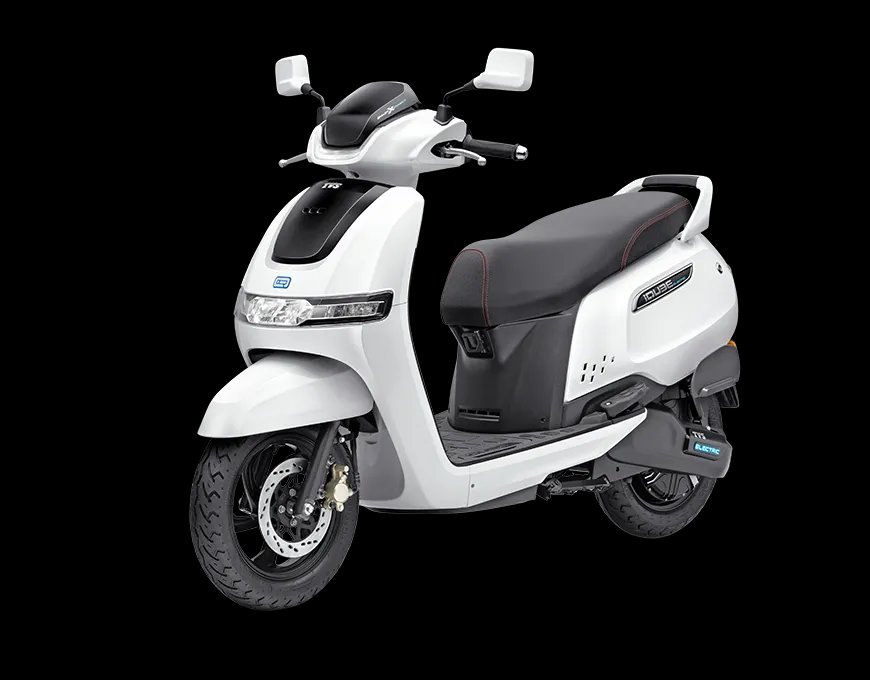
Monthly Savings Breakdown (Example Illustration)
Assume a daily commute of 40 km over 26 working days (1,040 km per month):
| Vehicle Type | Estimated Monthly Energy Cost |
|---|---|
| Petrol Scooter (45 km/L @ ₹100/L) | About ₹2,311 |
| TVS iQube (Home charged) | About ₹260 |
| Potential Energy Difference | About ₹2,051 saved per month |
Disclaimer: This is a sample calculation comparing energy costs alone. It excludes insurance, financing fees, tyres, routine maintenance, and depreciation.
What Makes the TVS iQube Good for City Commutes?
- Smooth Power Delivery: Electric motors eliminate clutch operations and gear shifts, making crawling bumper-to-bumper traffic much less fatiguing.
- Connected Tech: Features like SmartXonnect, digital navigation assistance, geo-fencing, and vehicle tracking keep you linked to your scooter via smartphone.
- Practical Storage: Generous under-seat storage easily accommodates a half-face helmet, groceries, or your charging cable.
TVS iQube Battery Life and Warranty
Battery longevity is protected by manufacturer warranties. TVS provides comprehensive coverage on the iQube’s lithium-ion battery pack. Always consult your local dealer for the precise warranty terms, kilometer caps, and capacity retention guidelines active at the time of purchase.
TVS iQube Pros and Cons
| Advantages | Limitations |
|---|---|
| Dramatically lower energy cost for daily urban travel | Charging takes longer than a standard fuel stop |
| Smooth, quiet, vibration-free ride quality | Real-world range is lower than laboratory IDC claims |
| Zero engine oil, spark plug, or clutch maintenance | Home charging setup requires a dedicated, safe parking plug |
| Multiple battery choices to match different budgets | On-road prices vary considerably across different states |
| Smart connected instrument cluster options | Battery warranty terms require careful adherence |
Best-Selling Scooters in India – July 2026: TVS iQube, Bajaj Chetak & Ather Rizta Drive Strong Growth
— Auto Punditz (@auto_punditz) August 17, 2026
Details: https://t.co/A8FlKDT2iV pic.twitter.com/4MJmP8mnA3
Frequently Asked Questions
What is the TVS iQube’s range? The claimed range varies by battery size, with IDC ratings spanning from 114 km for the base model up to over 200 km for the top-tier ST variants. Real-world range depends heavily on traffic, terrain, and riding mode.
How much does it cost to charge a TVS iQube? Your charging cost depends directly on your home electricity tariff per unit (kWh) and battery capacity. It typically costs only a few rupees for a complete top-up.
Does the TVS iQube need regular servicing? Yes. While it skips traditional engine servicing like oil changes and spark plug replacements, it still requires periodic checks for brakes, tyres, suspension, electronics, and software updates.
Is the iQube suitable for long-distance touring? The iQube is engineered primarily as an urban commuter vehicle. While larger battery trims handle longer city runs with ease, highway touring requires careful route and charging infrastructure planning.
Sources and Further Reading
- TVS Motor Official iQube Page
- TVS iQube Official Disclaimer & Range Metrics
- Autocar India Real-World Range Testing Reports
- BikeDekho & BikeWale Pricing Reference Portals