
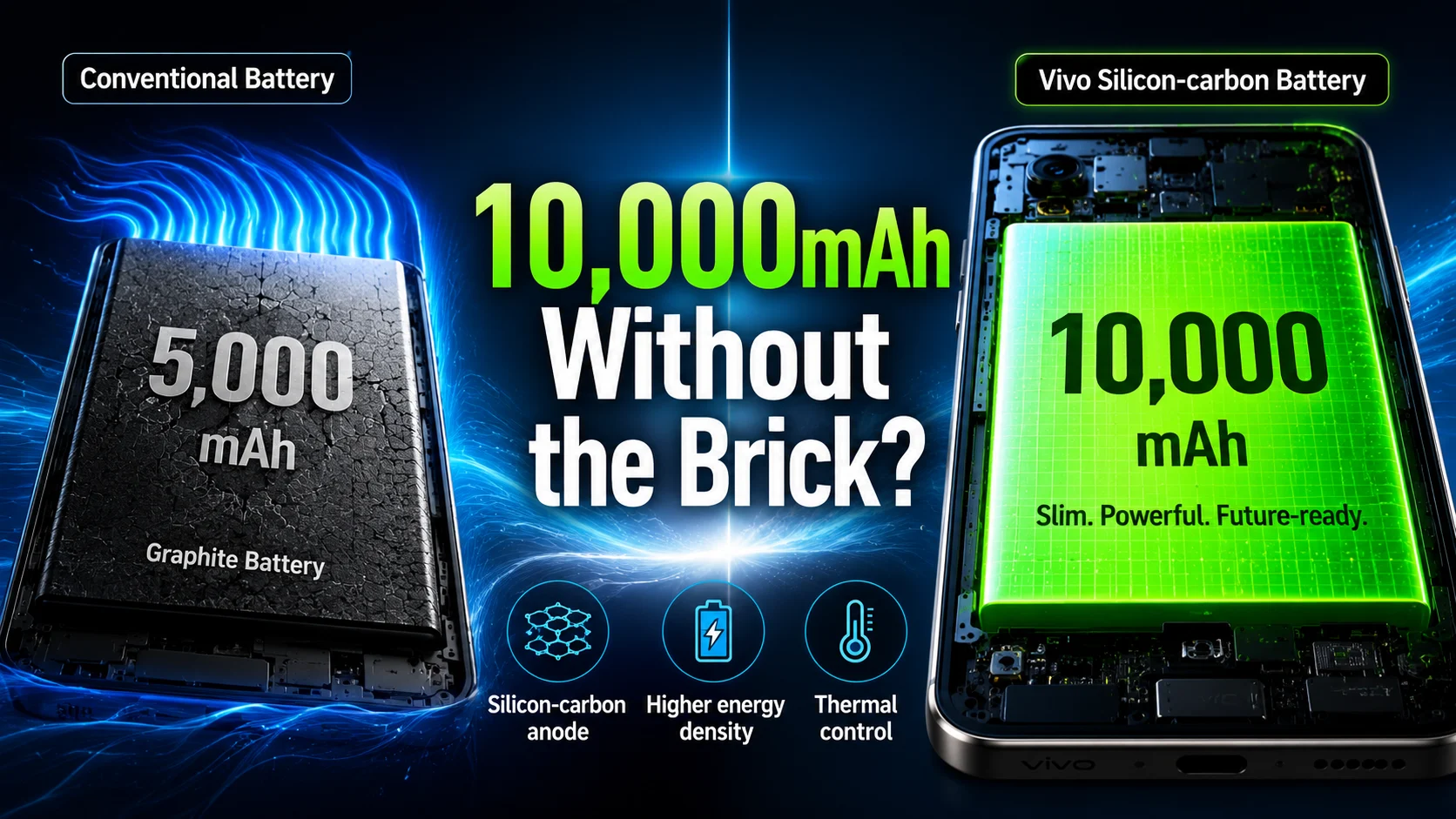
Vivo has just turned the smartphone battery race into a capacity shockwave. A 10,000mAh battery is roughly twice the capacity traditionally associated with many mainstream phones, while Vivo has confirmed that the V80 Lite 5G will debut in Malaysia on September 3, 2026.
But can a phone this powerful remain slim, cool, and comfortable to carry? The answer depends less on simply adding more battery cells and more on silicon-carbon chemistry, higher-voltage cell design, tighter packaging, and smarter thermal control.
The bigger question is urgent: does 10,000mAh automatically mean three-day battery life, or is that another marketing shortcut?
Vivo’s 10,000mAh Battery Claim Explained
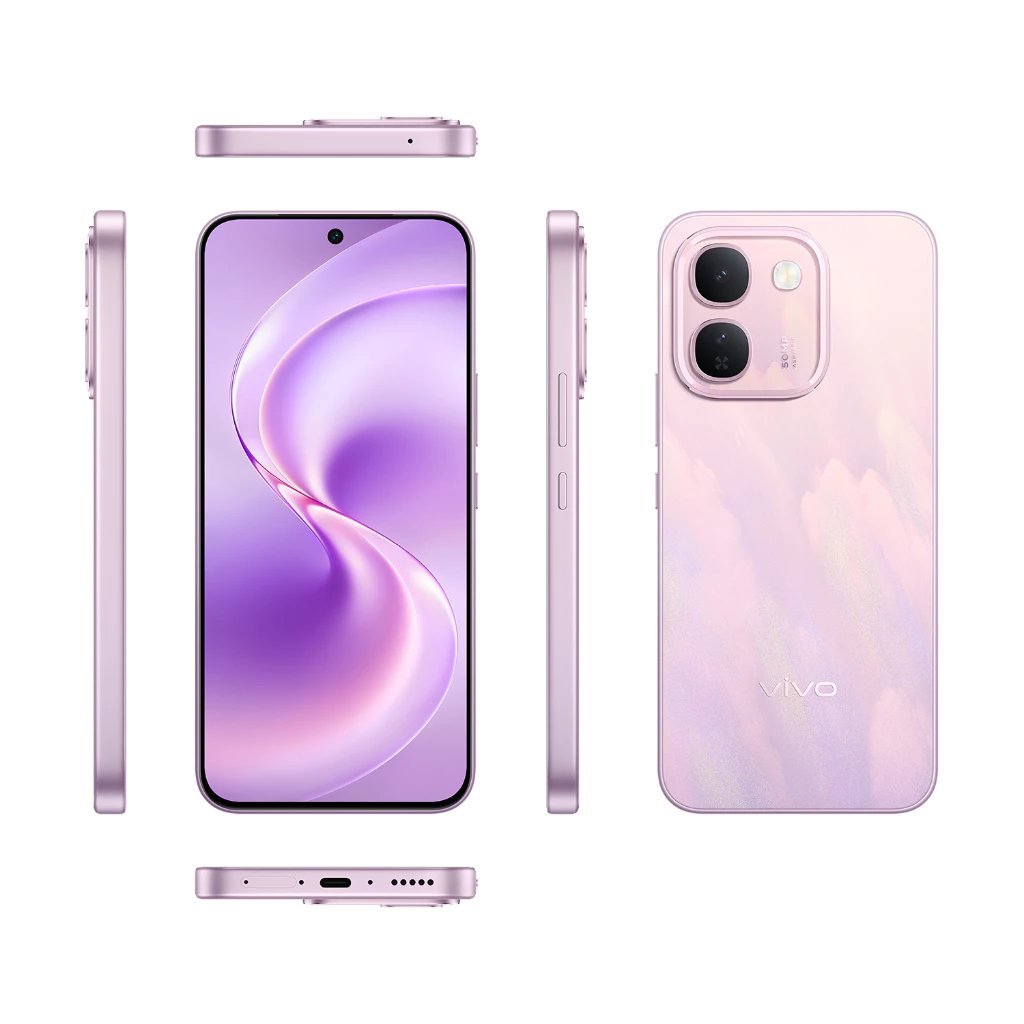
Vivo Malaysia has officially confirmed the launch date and its headline 10,000mAh BlueVolt battery, but complete specifications, pricing, battery dimensions, and independent endurance results should not be treated as final until the official launch event.
- Vivo has confirmed the V80 Lite 5G for the Malaysian market.
- The official launch is scheduled for September 3, 2026.
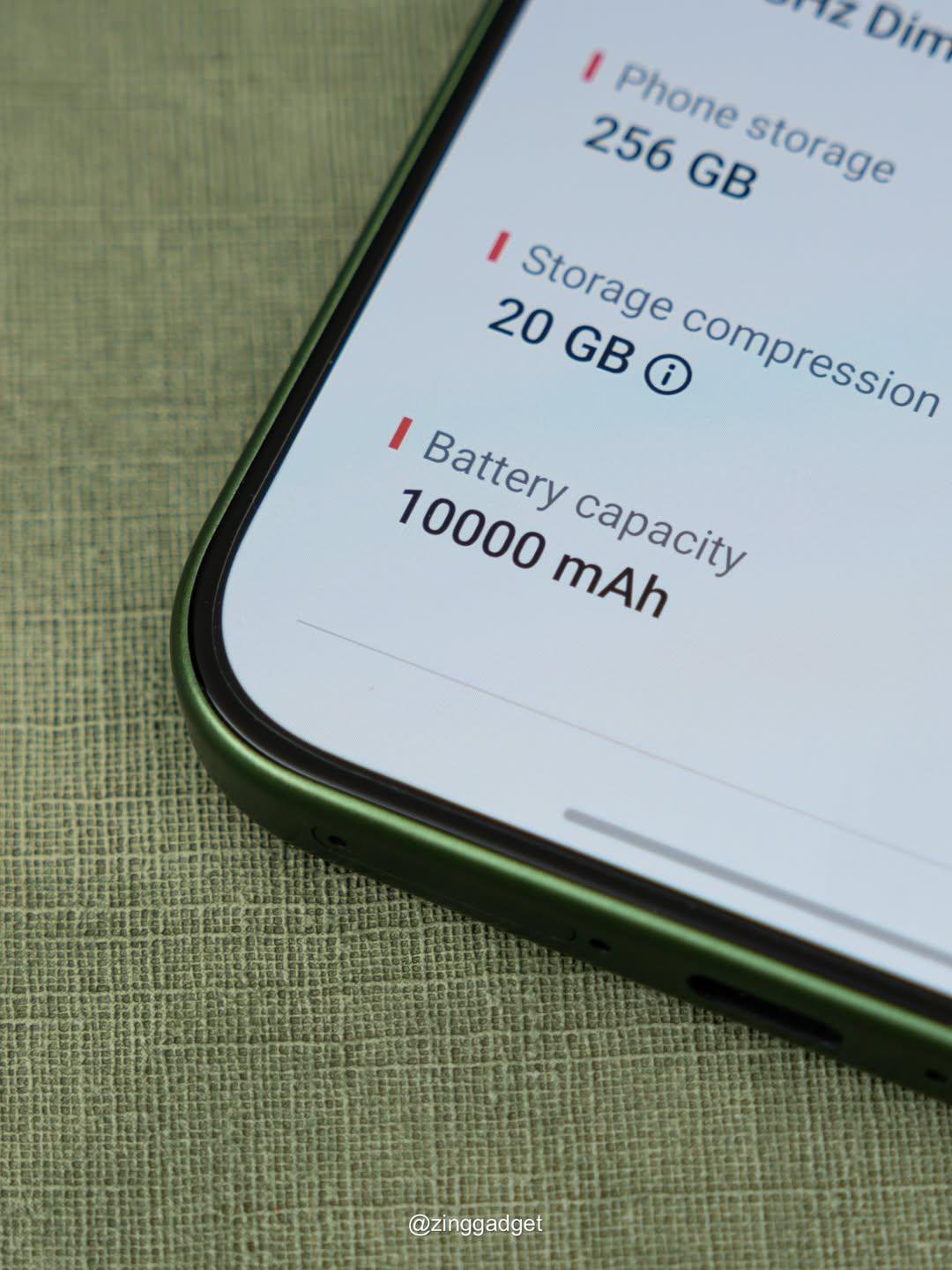
- Its headline feature is a massive 10,000mAh battery capacity.
- Vivo describes the setup as its largest and strongest power solution yet.
- The phone targets consumers who prioritize extreme multi-day endurance over raw flagship performance.
Why 5,000mAh Became the Old Ceiling
A smartphone battery is not just a number printed on a box. It is a physical package containing electrodes, electrolyte, a separator, protective layers, circuitry, insulation, and a frame that must survive drops, heat, and daily charging cycles.
| Design priority | What it usually demands |
|---|---|
| More battery capacity | More active battery material |
| Slimmer body | Higher energy density and tighter packaging |
| Faster charging | Better heat control and power management |
| Long battery life | Efficient display, processor, modem, and software |
| Battery safety | Protective circuitry and temperature monitoring |
The real breakthrough is not that manufacturers found empty space inside phones. It is that each cubic millimeter of battery can now store significantly more energy.
Silicon-Carbon Chemistry Is the Real Story
Most conventional lithium-ion smartphone batteries use a graphite-based anode. Silicon can theoretically store substantially more lithium than graphite, which gives silicon-based anodes a clear path toward higher energy density. However, silicon expands significantly during charging, creating mechanical stress and instability inside the cell.
- Graphite anode: Mature, stable, and relatively predictable over hundreds of cycles.
- Silicon anode: Much higher theoretical capacity but notoriously difficult to control.
- Silicon-carbon composite: Uses carbon structures to support silicon particles and cushion expansion.
- Protective layers: Help stabilize the solid electrolyte interphase (SEI) to prevent rapid degradation.
Silicon-carbon chemistry changes the rules by packing more lithium storage per gram while keeping physical expansion manageable through engineered composite matrices.
How a 10,000mAh Battery Fits in a Slim Phone
A 10,000mAh label does not directly tell readers how physically large the battery is because capacity depends on both charge and voltage.
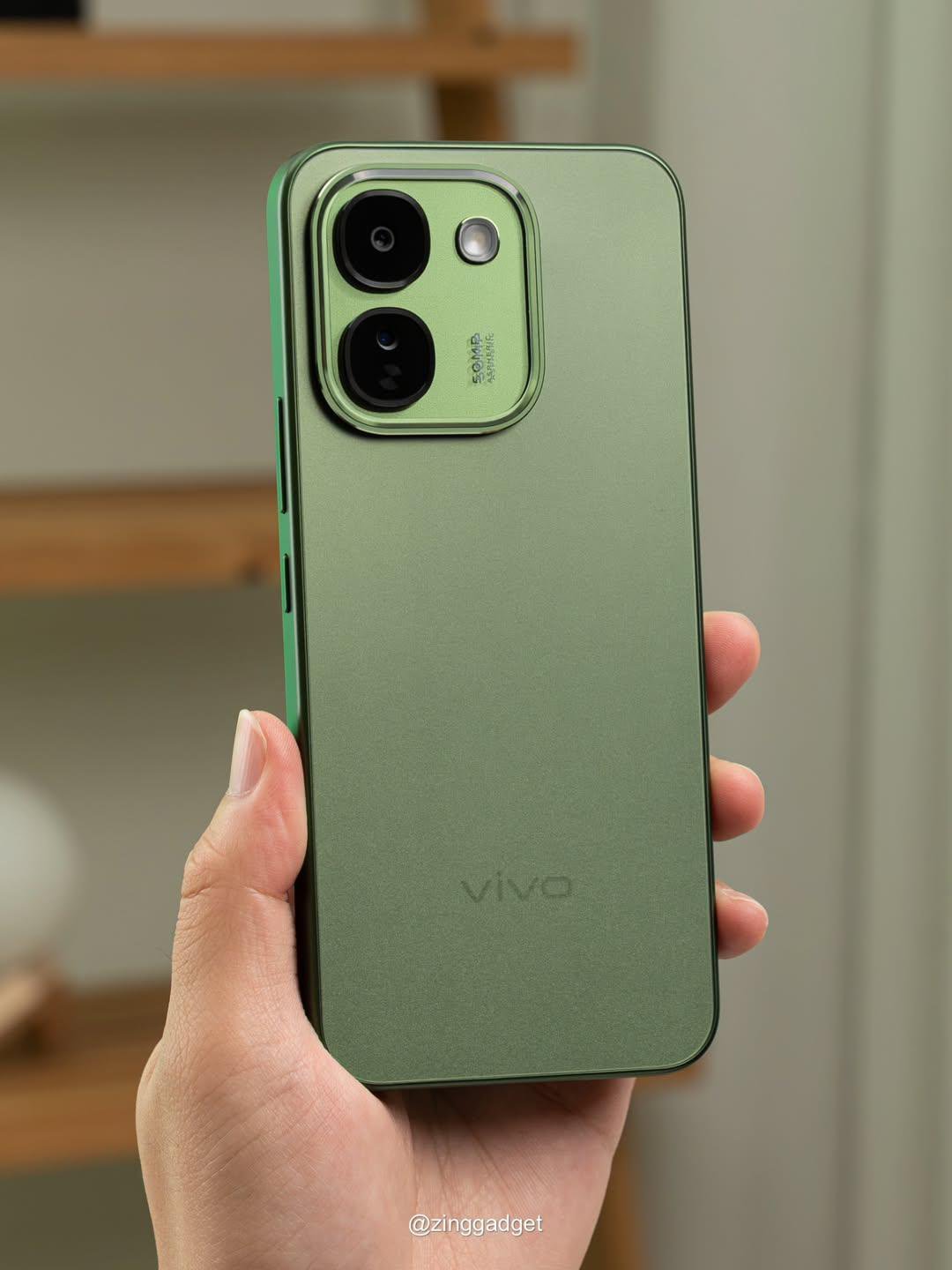
A 10,000mAh battery running at roughly 4.5V represents about 45Wh of energy. To fit this into a slim chassis, manufacturers rely on high-density silicon-carbon anodes, ultra-thin separators, advanced cell packaging (such as specialized folding techniques), and optimized internal layout around the camera and cooling system.
Vivo has not defeated physics; it has improved the amount of energy stored within the same physical limits.
What Thermal Management Has to Do With It
A larger battery does not automatically make a phone hot, but high-capacity cells still demand robust thermal architecture—especially during fast charging, intense gaming, 5G data streaming, and tropical ambient temperatures.
| Heat source | Why it matters | Likely control |
|---|---|---|
| Fast charging | High current generates active heat | Dynamic charging curves and temperature limits |
| Processor workload | Sustained power raises internal temperature | CPU and GPU thermal throttling |
| 5G modem | Heavy data transmission increases power draw | Radio and network optimization |
| Hot ambient weather | Reduces natural cooling headroom | Vapor-chamber heat dissipation |
The battery may be physically larger, but the phone still needs to manage heat at the system level. Effective cooling is what keeps a high-capacity device stable over years of daily use.
Does 10,000mAh Really Mean Three Days?
Battery capacity is only one part of real-world endurance. A massive battery paired with maximum screen brightness, high-refresh-rate gaming, weak cellular signals, or heavy background synchronization can drain power faster than expected.
| Usage pattern | Realistic expectation |
|---|---|
| Light messaging and calls | Easily stretches into multi-day territory |
| Mixed social media and video | Comfortably lasts more than one full day |
| Heavy gaming and 5G data | Accelerates drain despite the large capacity pool |
| Standby use | Highly dependent on software and background optimization |
Treat multi-day claims as a capability that could enable extended endurance depending entirely on individual user habits.
The Hidden Cost of Silicon-Carbon Batteries
While silicon-carbon cells unlock breakthrough densities, they introduce unique manufacturing and long-term complexities. Volume expansion, stable SEI layer maintenance, and cycle-life degradation under thermal stress remain focal points for battery engineers.
- Higher manufacturing complexity compared to standard graphite cells.
- Stricter battery-health management across prolonged charge cycles.
- Greater sensitivity to extreme charging temperatures.
- Uncertainty regarding long-term component repairability and replacement costs.
Rated Capacity Versus Typical Capacity
Buyers often encounter two different numbers when evaluating mega-batteries. Rated capacity is the guaranteed minimum energy storage under strict laboratory standards, while typical capacity represents the average expected output across mass production.
What the Vivo V80 Lite 5G Launch Confirms
To maintain strict editorial transparency, it helps to separate verified launch facts from ongoing industry expectations:
- Confirmed: Vivo V80 Lite 5G launching in Malaysia on September 3, 2026.
- Confirmed: 10,000mAh BlueVolt battery flagship feature.
- Expected: Flat frame design, 50MP primary rear camera, and vibrant color options.
- Unconfirmed: Final global pricing tiers, exact weight dimensions, and wider regional rollouts like India.
Why This Matters Beyond Vivo
The arrival of the Vivo 10,000mAh battery phone signals a wider industry shift. As competitors explore advanced silicon-carbon cells, raw endurance is rapidly replacing superficial megapixel counts as the ultimate smartphone differentiator.
| Battery generation | Typical capacity scope |
|---|---|
| Traditional graphite | 4,500mAh to 5,000mAh standard in mainstream devices |
| Early silicon-carbon | 6,000mAh to 7,000mAh transitional phase |
| Advanced silicon-carbon | 8,000mAh to 10,000mAh+ modern high-end endurance tier |
Let’s take a look at the brand new @Vivo_GLOBAL V80 Lite! 10000mAh ultra-large battery is here! It has a long battery life and can also charge other phones!#vivo #vivoV80Lite pic.twitter.com/yQvk44tP9U
— Govind Sharma (@DivineS1319) August 21, 2026
Is a 10,000mAh Phone Better for Everyone?
While frequent travelers, field professionals, and heavy multimedia users will benefit immensely from a three-day power buffer, users who prioritize ultra-light pocket ergonomics may still prefer slimmer, traditional form factors.
Would you sacrifice a fraction of your phone’s thinness to never carry a portable charger again?