
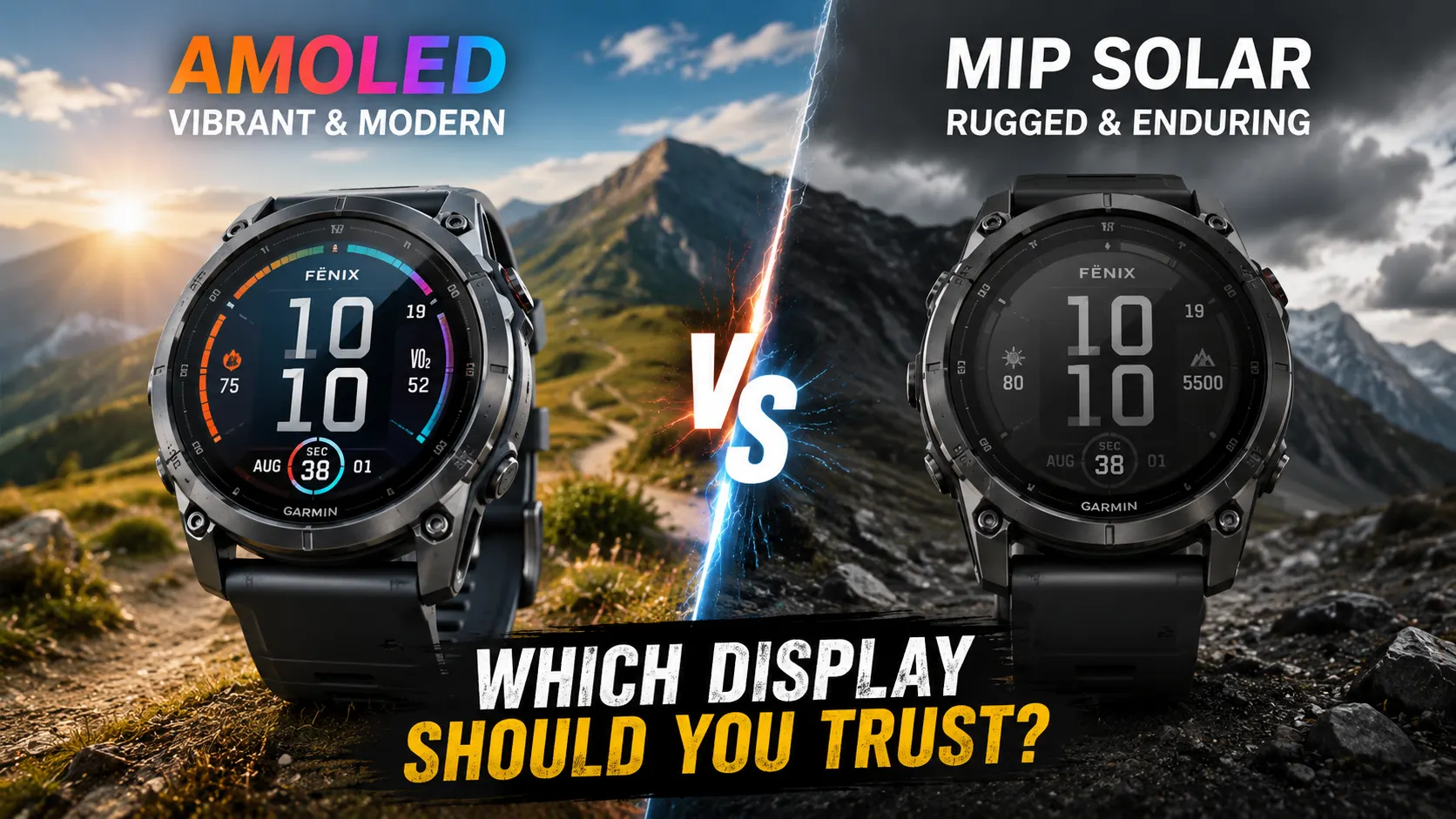
Garmin may have just ignited a fierce debate among outdoor athletes. The company’s current Fenix 8 Solar models can deliver up to 21–30 days in smartwatch mode and as much as 132–186 hours in GPS-only mode, depending on size and settings. Garmin’s Enduro 3 goes even further, with up to 36 days of typical smartwatch use and up to 120 hours of GPS use.
Now, reports point to a Fenix 9 family divided between bright AMOLED models and MIP Solar versions. Will mainstream users choose a more beautiful screen, while expedition athletes choose the display that keeps working when the nearest power outlet is hundreds of miles away?
Why Garmin’s Display Choice Matters
The dispute is not simply about screen appearance. It is about what an outdoor watch is designed to prioritize:
- Visual impact and convenience for everyday users.
- Low power consumption for endurance athletes.
- Readability in direct sunlight.
- Battery independence during long trips.
- Reliability in cold, remote, or unsupported environments.
AMOLED makes maps, colors, menus, and notifications look more like a modern smartphone. MIP Solar takes a quieter approach: it is designed to remain readable outdoors while consuming less power, which matters when a charging cable is not part of the expedition plan.
AMOLED Wins the First Impression
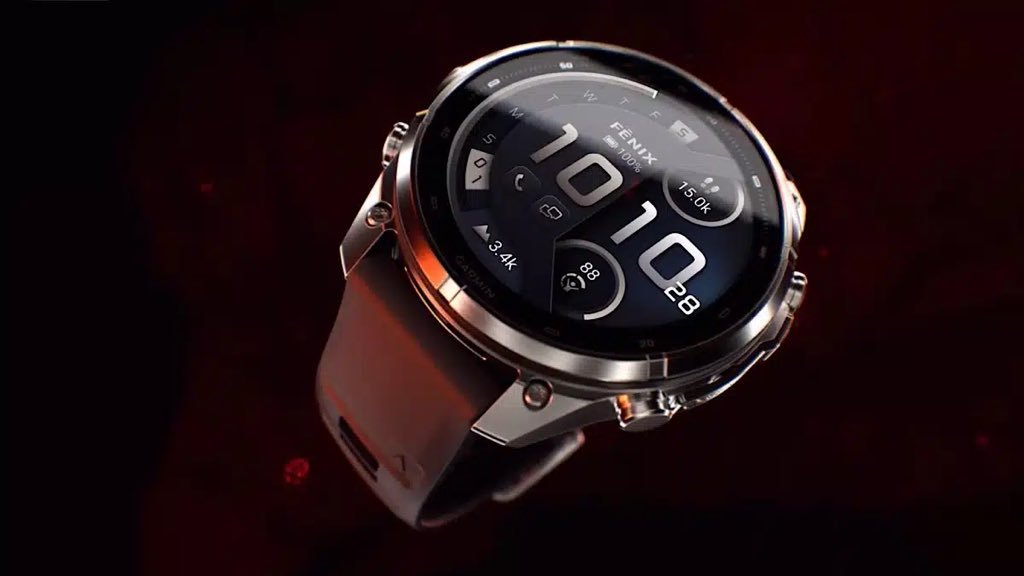
AMOLED is easier to love during the first five minutes. It looks vivid in a store, makes maps feel more polished, and gives daily notifications a cleaner appearance. For commuters, hikers, gym users, and casual runners, those benefits may matter more than an extreme battery mode they never use.
Who Benefits Most From AMOLED?
- Daily smartwatch users
- Urban runners and cyclists
- Fitness users who spend time indoors
- Hikers who recharge regularly
- Buyers who want colorful maps and a more modern interface
- Users who prioritize design and readability in dim conditions
Would you rather have a brighter map every day or a watch that can survive weeks away from a charger?
MIP Solar Is Built for the Long Haul
The endurance argument comes down to practical outdoor utility. MIP displays use ambient light to remain visible without draining a heavy battery, and solar charging can extend operating hours in suitable conditions.
Garmin’s Fenix 8 Solar documentation lists up to 21 days of smartwatch use for the 47 mm model and up to 30 days for the 51 mm model, with higher figures under specified solar conditions.

Why Battery Life Changes Expedition Planning
| Situation | AMOLED Priority | MIP Solar Priority |
|---|---|---|
| Weekend hike | Attractive maps and interface | Extra battery margin |
| Multi-day ultramarathon | Good display visibility | Lower charging anxiety |
| Polar or desert expedition | Screen quality in low light | Endurance and power efficiency |
| Frequent charging access | Convenient and vivid | Possibly more capability than needed |
| Remote wilderness travel | Potentially demanding on battery | Better suited to long intervals without charging |
Note: Battery life always depends on GPS mode, screen settings, satellite systems, navigation, music, temperature, and solar exposure.
Solar Has Limits
Solar charging is not a replacement for a power bank in every scenario. Cloud cover, shade, clothing, latitude, season, and wrist angle affect solar input. High-power features can still drain the battery quickly, and manufacturers’ battery figures are testing estimates rather than guarantees.
The Real Divide Is Between Two Types of Users
Mainstream users may say:
- “I want a bright, modern screen.”
- “I use maps often.”
- “I charge my watch every few days.”
- “I expect a premium watch to look premium.”
- “AMOLED is easier to read indoors.”
Hardcore explorers may say:
- “I need battery reserves, not visual effects.”
- “I cannot depend on a wall outlet.”
- “Solar and MIP are practical tools.”
- “The screen must remain useful in harsh sunlight.”
- “A rugged watch should prioritize survival over spectacle.”
Neither group is wrong. The conflict appears when one product family tries to serve both a lifestyle audience and athletes planning unsupported journeys.
Could the Fenix 9 Lineup Create a Two-Tier Outdoor Market?
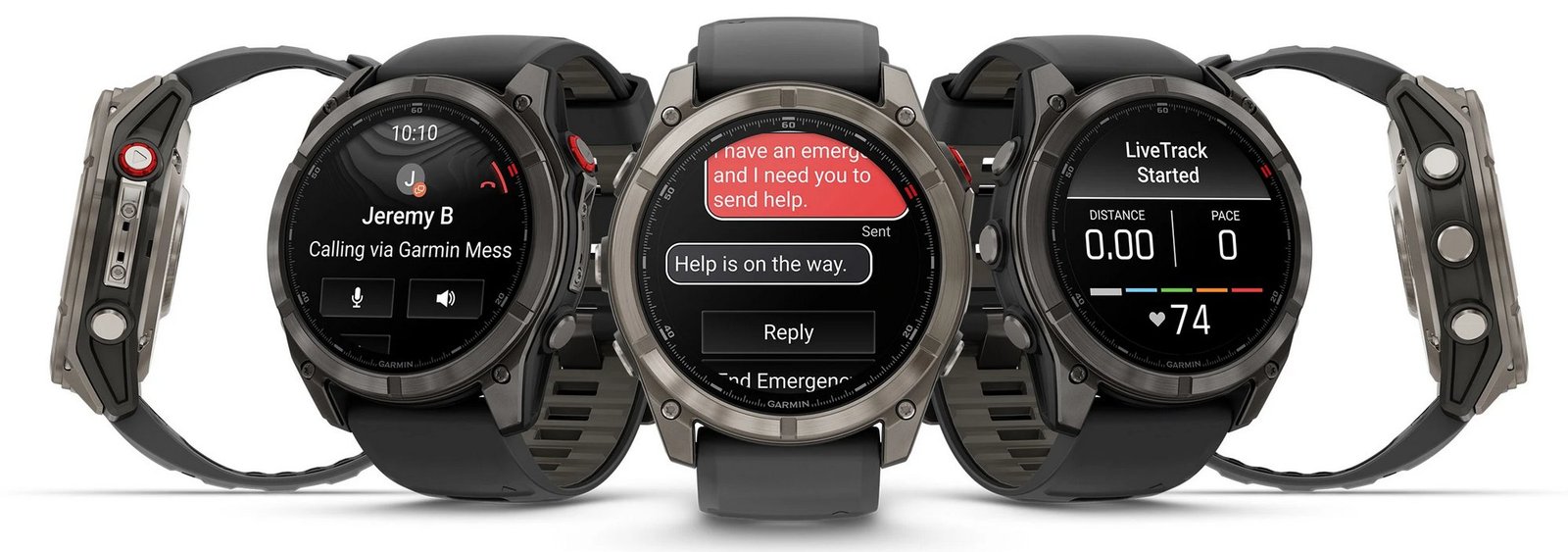
According to recent unofficial retailer reports, Garmin may separate Fenix 9 models into distinct AMOLED and MIP Solar options, with solar configurations often tied to specialized or higher-end inReach variants.
These reports are not the same as a Garmin announcement. Until Garmin publishes official specifications, readers should treat the rumored model split, sizes, and feature allocation as provisional.
- Buyers may feel MIP Solar has been pushed into a more expensive, specialized tier.
- Smaller-wrist users looking for long battery life may find fewer options if solar hardware is restricted to larger cases.
- AMOLED could become the default choice for mainstream buyers.
- Endurance athletes may migrate closer toward Garmin’s Enduro line.
Fenix 9 vs Enduro: Which Product Should Endurance Athletes Watch?
Garmin’s Enduro 3 is already positioned around extreme battery performance, offering up to 36 days of typical smartwatch use and up to 320 hours with solar under stated conditions.
| Product Direction | Best Fit | Main Strength | Main Concern |
|---|---|---|---|
| Fenix AMOLED | Everyday outdoor users | Display quality and smart features | Higher charging demands |
| Fenix MIP Solar | Serious hikers and athletes | Long battery life and outdoor efficiency | Less vivid interface |
| Enduro Solar | Ultra-endurance and expeditions | Maximum battery focus | May be less versatile for casual users |
AMOLED vs MIP Solar: What Should You Buy?
Choose AMOLED if:
- You use your watch every day.
- You frequently view maps and notifications.
- You can recharge regularly.
- You want a modern, colorful interface.
Choose MIP Solar if:
- You regularly spend several days away from power.
- You compete in ultramarathons or long-distance events.
- You prioritize battery reserve over screen richness.
- You want a display designed around harsh sunlight.
Also Read: Vivo 7050mAh battery — Why the Two-Day Charge Myth Ends for Mid-Range Phones
Questions Garmin Should Answer
- Will every major Fenix 9 feature be available on both AMOLED and MIP Solar models?
- Will MIP Solar remain accessible across multiple case sizes?
- How much battery life will users lose with always-on maps, music, and multi-band GPS?
- Will AMOLED become the default Fenix design while MIP Solar is reserved for specialist users?
Leaked Garmin Fenix 9 Price Ranges from $1,180 To $1,550 https://t.co/mkOMDcPkcc
— Geeky Gadgets (@GeekyGadgets) August 25, 2026
The Bigger Question for Garmin
Endurance isn’t just a spec sheet item—it is the core identity of the outdoor community. Garmin is deciding whether the Fenix should remain one uncompromising outdoor platform or evolve into a lifestyle smartwatch family with separate identities.
AMOLED may attract more buyers, but MIP Solar protects the trust of the people who buy a Fenix for difficult journeys. Garmin’s challenge is ensuring that the pursuit of mainstream appeal does not make its most committed explorers feel abandoned.