
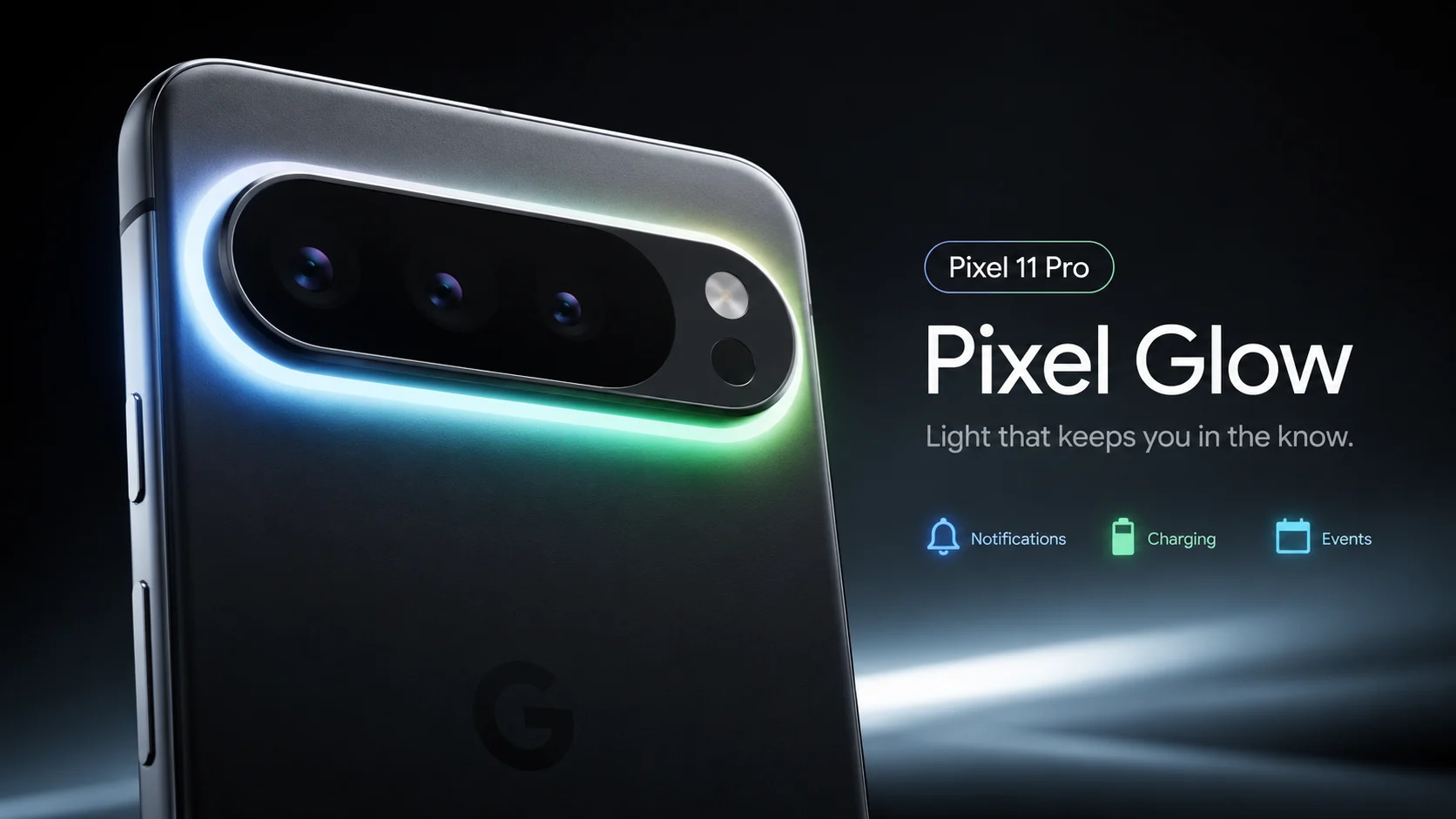
Google may be about to do something radical: turn the back of the Pixel 11 Pro into a functional notification surface. If the rumored Pixel Glow hardware arrives, the company could transform the camera bar from a passive design choice into a living light interface.
Google could be rewriting Pixel hardware in a way that feels almost futuristic. With TSMC’s 2nm shift potentially freeing thermal and physical space, the phone may finally support a rear lighting system that does more than look stylish. But is “Pixel Glow” a real utility upgrade, or just a flashy concept the industry will copy?
Google’s rumored move to TSMC’s 2nm architecture could change more than performance; it may also reshape the phone’s internal layout. That matters because slimmer thermal demands can open room for new components, and the Pixel 11 Pro may use that space for a dynamic rear lighting array.
If the device can combine design, alerts, and power efficiency, could it finally make the back panel feel essential instead of decorative? The bigger story is not just speed, but how hardware can free new experiences and ignite a new category of notifications.
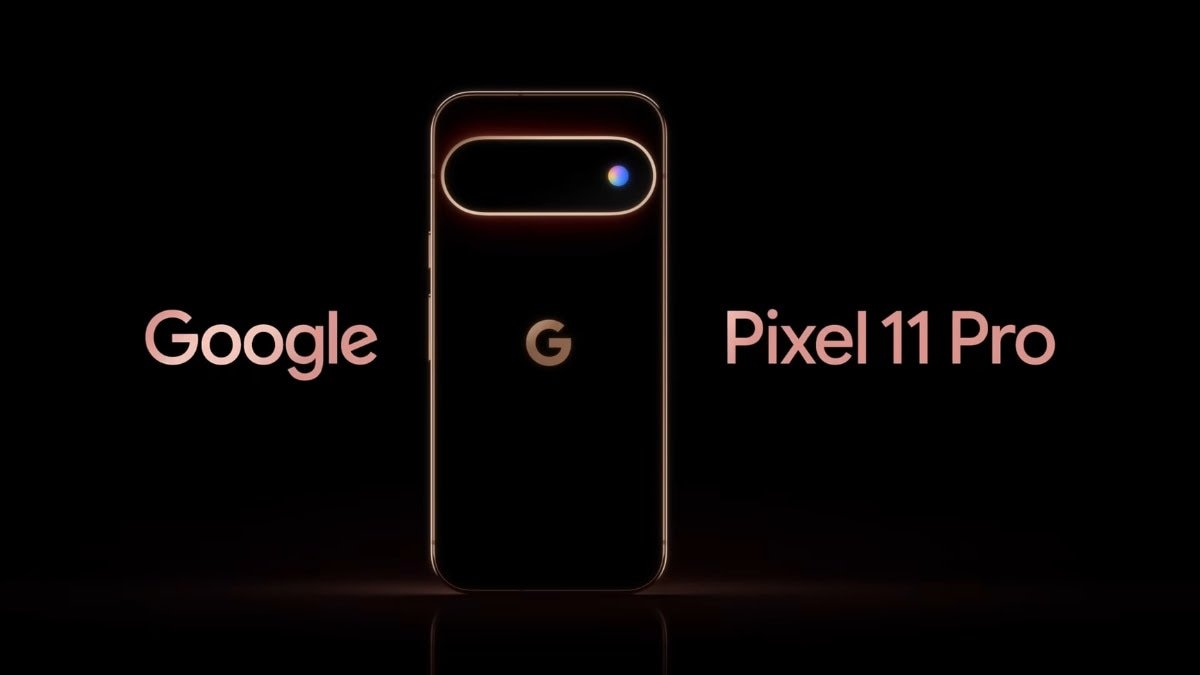
What Pixel Glow Could Be
Rumors indicate that Google is experimenting with an RGB LED lighting strip integrated neatly around or beneath the signature camera bar. Rather than acting like a standard notification LED, Pixel Glow is expected to deliver context-aware animations, pulsing light feedback during Gemini interactions, and color-coded alerts when the phone is laid face down.
| Old Phone Back | Pixel Glow Concept |
|---|---|
| Passive design | Functional light interface |
| Camera bump focus | Notifications + visual feedback |
| Limited interaction | Context-aware rear signals |
Why It Matters for Daily Utility
A smaller process node can free internal space. By shifting away from standard screen-up checking habits, users could glance at their device and immediately understand incoming priority states.
What if the phone’s back became the interface? From silent meeting alerts and timer countdowns to charging indicators, rear-facing lights provide a low-friction layer of communication. That may be the real experiment. It’s not just a design change; it’s a behavior change.
Why Google Might Do It Now
The timing ties heavily into internal hardware efficiency. Moving to a cutting-edge 2nm manufacturing process reduces thermal overhead, creating physical layout options that previous generations lacked.
By establishing a distinct visual identity that separates hardware ecosystems from competitors like Apple and Samsung, Google can redefine its industrial design language. If Google pulls this off, the camera bar may become the most useful part of the phone.
“If rear lighting becomes contextual instead of decorative, it could shift how users perceive phone hardware.” — Mobile UX Design Analyst
Google may be discontinuing the 128GB storage option for future Pixel devices. https://t.co/wI1lLSHKH9 pic.twitter.com/7VowpHF1M0
— CNET (@CNET) July 29, 2026
Risks, Doubts, and Trade-offs
While the concept sounds futuristic, adding external lighting elements introduces several design questions:
- Battery Drain: Will continuous standby lighting impact daily screen-off endurance?
- Practical Utility: Is a rear light strip genuinely useful when a phone sits inside a protective case?
- Visual Fatigue: Could constant pulsing become distracting in quiet or dark environments?
Will users embrace active light strips, or will it remain a short-lived gimmick?
Full hardware analysis and event expectations are detailed on Engadget Pixel 11 Hardware Preview, Tensor G6 2nm Process Analysis, and PhoneArena Pixel 11 Pro Leaks & Specs.