
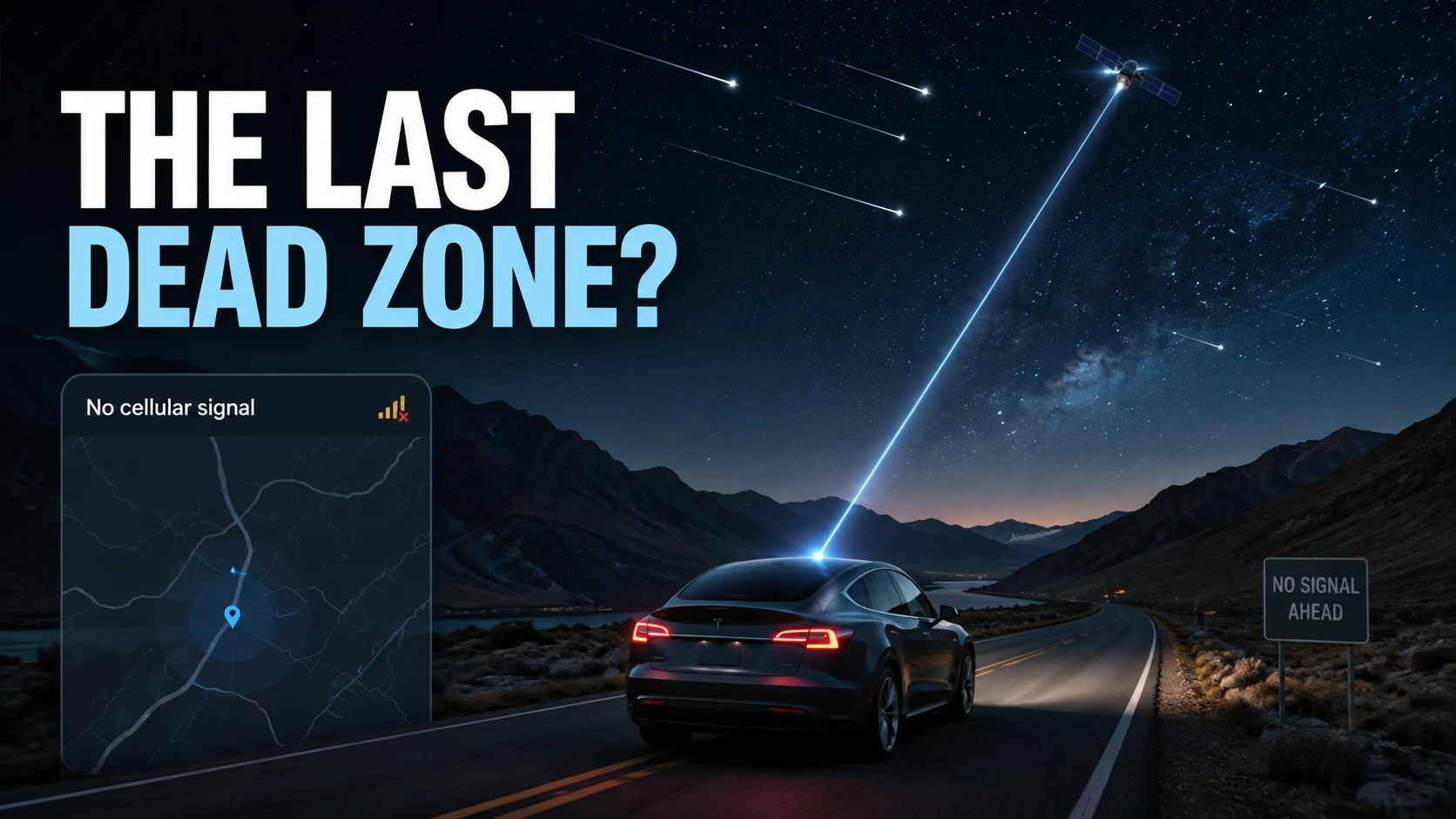
Starlink is targeting one of driving’s most frustrating failures: the sudden loss of connectivity.
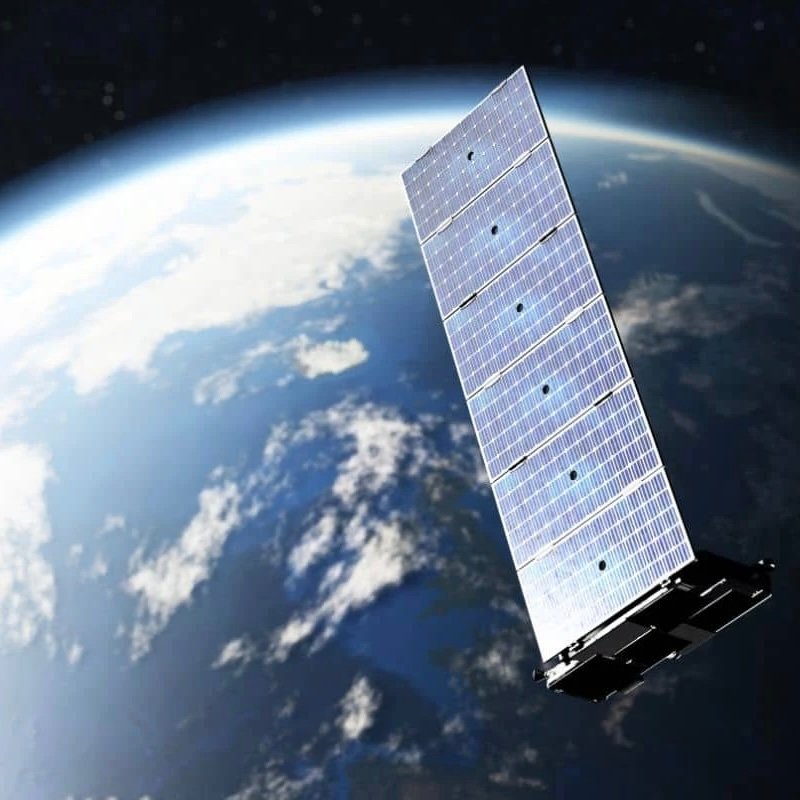
With more than 10,800 active satellites in orbit, coverage across global low-Earth orbit trajectories, and millions of customers worldwide, SpaceX is pushing satellite internet beyond homes and phones.
Could your next car stay connected after the final cell tower disappears? For drivers crossing remote highways, travelling through mountains, or exploring rural regions, that promise could transform navigation, emergency communication, and roadside assistance.
But the idea raises urgent questions about antennas, subscription costs, weather, privacy, and whether satellite connectivity can truly replace cellular networks.

1. The Signal Disappears
When a driver leaves city limits, the navigation map suddenly stops updating, streaming music abruptly cuts out, and a critical emergency message cannot be sent.
In practical terms, these dead zones mean delayed emergency calls, missing live weather alerts, and absolute isolation when a vehicle breaks down.
2. What Starlink Is Actually Promising
Satellite-to-vehicle connectivity relies on compatible hardware communicating directly with overhead space assets. The satellite routes data through the wider network, allowing a vehicle to receive selected services without depending entirely on nearby terrestrial cell towers.
This technology will initially support messaging, emergency communication, location sharing, and limited data, rather than replacing every high-bandwidth cellular function immediately.
“Satellite connectivity is most valuable when terrestrial networks are unavailable,” said Dr. Alan Sterling, Automotive Telematics Lead at the Global Transport Institute, in a recent technology briefing.
- Learn more about Starlink’s official Direct to Cell information.
- Track network growth via SpaceX’s official Starlink updates.
- Review regulatory frameworks at FCC satellite and connectivity announcements.
3. The Road-Trip Experience
| Driving situation | Possible benefit |
|---|---|
| Remote highway | Location sharing and emergency messaging |
| Mountain route | Access to updated weather or road alerts |
| Desert or rural travel | More reliable contact with family |
| Breakdown | Faster communication with assistance providers |
| Long-distance trucking | Better fleet monitoring and dispatch |
| Outdoor travel | Connectivity beyond conventional tower coverage |
A driver travelling through a remote stretch of Maharashtra, Ladakh, Australia, or the western United States could potentially send their location or request help even after losing ordinary mobile coverage.
That is where the promise becomes practical. However, coverage depends heavily on satellite visibility, surrounding terrain, specialized hardware, and regulatory approval.
4. Safety Could Be the Killer Feature
Potential safety applications include emergency text communication, automatic crash notifications, remote vehicle diagnostics, and instant disaster warnings.
Actual capabilities will always depend on car manufacturers, local laws, and emergency-response integration.
5. Why Cell Towers Are Not Disappearing Yet
| Cellular networks | Satellite-to-vehicle connectivity |
|---|---|
| Strong in populated areas | Useful where towers are unavailable |
| Generally lower latency | May have greater signal limitations |
| Mature in-car integration | Requires compatible hardware and service |
| High capacity near cities | Capacity may vary by location |
6. What It Could Mean for Future Cars
Beyond personal travel, automakers could leverage satellite links for remote software updates, commercial fleet management, insurance telematics, and agricultural tracking systems.
Sarah Jenkins, Director of Connected Vehicle Standards, noted that satellite integration acts as an essential safety net for commercial transit rather than an immediate replacement for high-speed local data pipelines.
ELON MUSK: “You should be able to have a Starlink, like you have an AT&T or T-Mobile or Verizon or whatever, you could have an account with Starlink that works with your Starlink antenna at home with free Wi-Fi as well as on your phone. We’re not going to put the other carriers… pic.twitter.com/INu86QHttL
— DogeDesigner (@cb_doge) August 9, 2026
7. The Questions Drivers Should Ask
The real test will happen far from the city. Before buying into satellite-equipped vehicles, consider these questions:
- Will my car need a special antenna or modem?
- Will satellite access be included or sold as a separate subscription?
- Can it support voice calls, or only text and low-bandwidth data?
- What happens in deep valleys, tunnels, or severe weather?
- Which countries legally permit the service?
- Who can access the vehicle’s location data?
- Will emergency services receive the signal directly?