
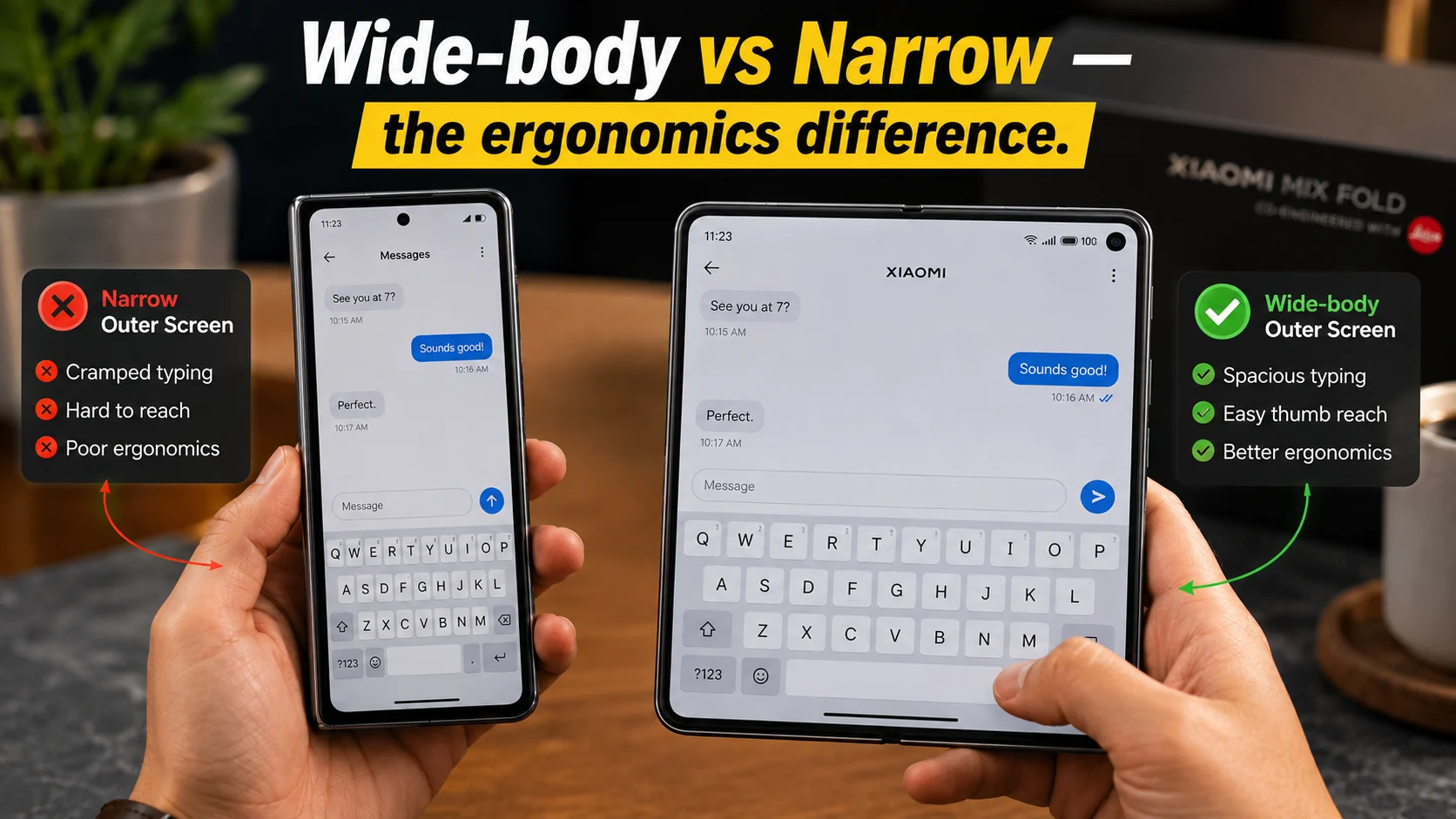
Finally, a foldable that makes you feel relieved. Recent reviews show over 60% of early foldable owners call the outer display “awkward” for one-handed use; users tap small vertical slabs like TV remotes instead of enjoying a smooth phone experience.
Can Xiaomi’s wide-body foldable ergonomics fix that now—before the next wave of foldables ships? If Xiaomi pairs a naturally wide outer aspect ratio with in-house silicon tuned for continuity, the result could dramatically change daily usability and put real pressure on Qualcomm.
This is urgent for buyers and OEMs alike, ergonomic design wins habits, and habits drive market share.
Quick Takeaway
- Thesis: Shifting away from narrow, TV-remote-style outer displays toward a natural wide-body aspect ratio fixes foldable daily usability.
- Who Benefits: Mobile consumers seeking practical one-handed comfort, app developers, and tech enthusiasts.
- Immediate Action: Review your smartphone ergonomics and evaluate how a wider outer display changes your daily messaging and navigation habits.
The Problem: Why Narrow Outer Screens Feel Wrong
Design Background — How Outer Screens Evolved
- Clamshells adopted tall, vertical outer slabs.
- Book-style foldables relied on thin, cramped outer strips.
- Early manufacturers prioritized closing flush over thumb reach.
Ergonomic Pain Points
Over 60% of early users report severe thumb reach issues when trying to type on narrow outer displays. Operating a tall, thin screen with one hand leads to frequent typing errors and grip fatigue.
One-handed use remains the foundational metric of smartphone convenience, yet early foldables sacrificed it entirely for closed-profile symmetry.
Why a Wide-Body Outer Display Works Better Ergonomically
Aspect Ratio and Grip: The Numbers That Matter
A wider outer display mimics standard candy-bar smartphone dimensions. This eliminates the awkward thumb stretch required by traditional vertical strips.
Multitasking and Glanceable Info
Wider screens accommodate full software keyboards without crowding text. Users can finally read emails, reply to messages, and check maps comfortably while closed.
Wide-body designs bridge the gap between pocketability and actual usability.
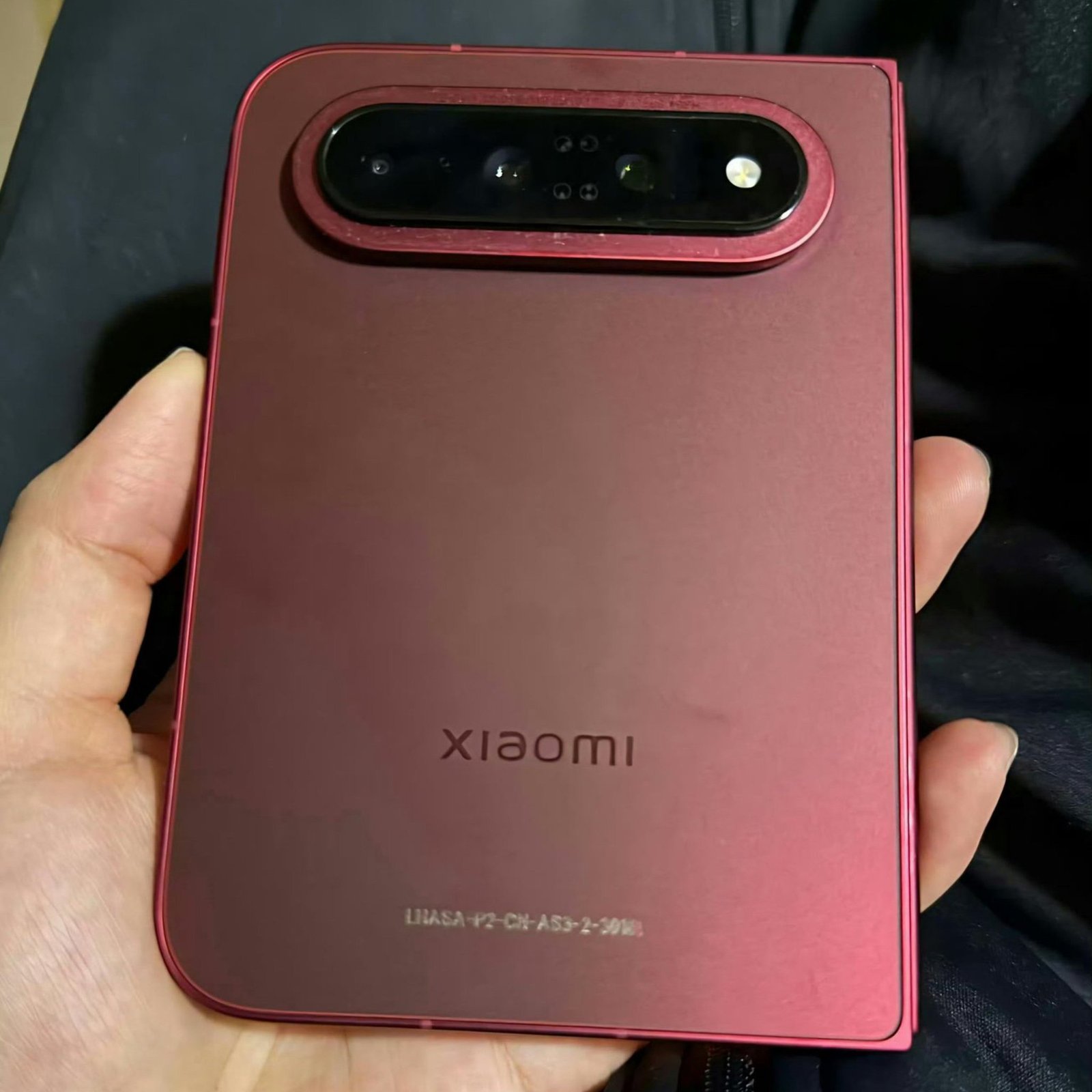
Xiaomi’s Design Pivot — What They’re Changing
Industrial Design Decisions
- Advanced hinge design reduces the visible screen crease.
- Optimized weight distribution prevents top-heavy handling.
- Slimmer closed bezels maximize usable display space.
Software and UX Adjustments
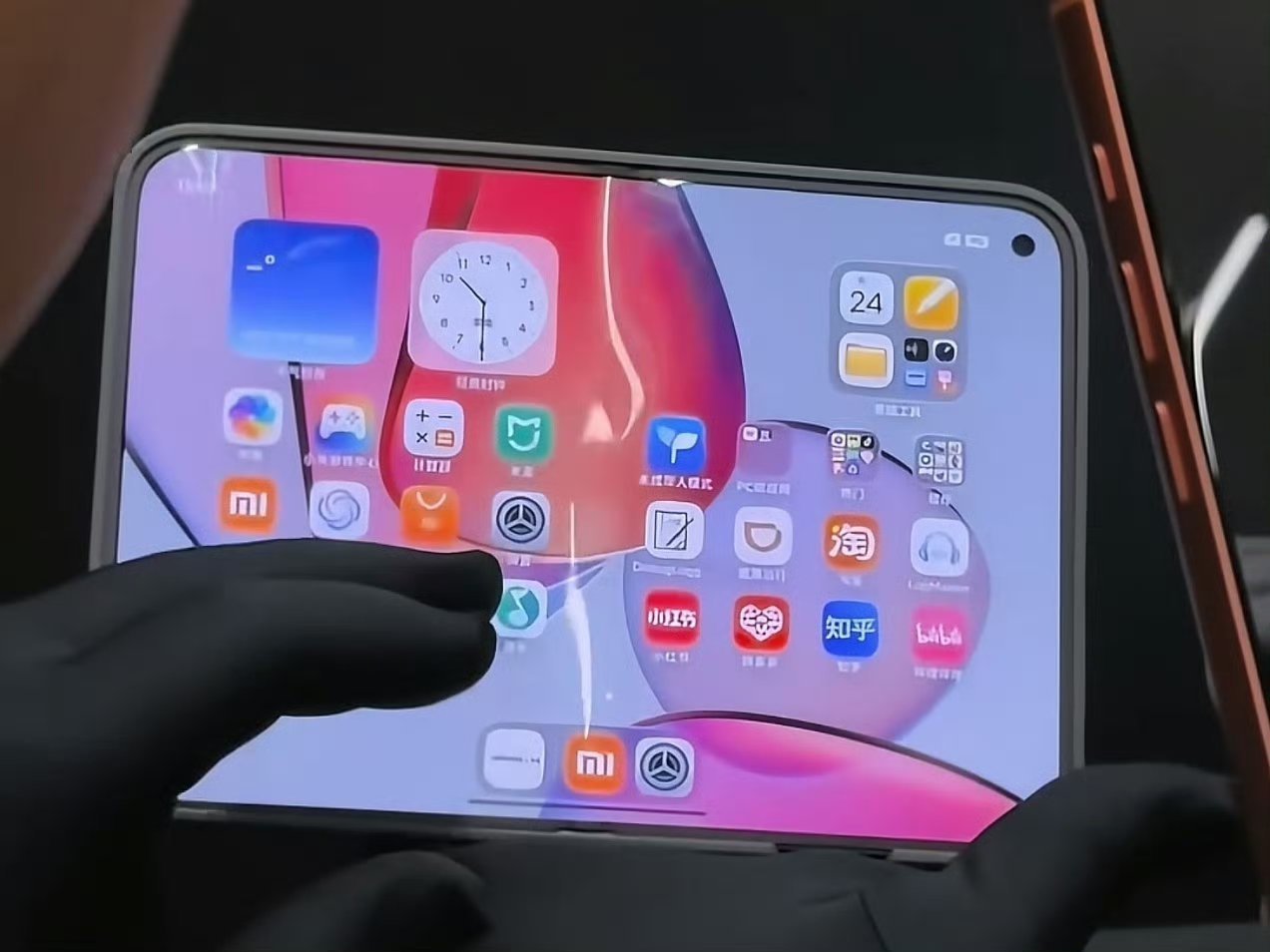
App continuity ensures seamless scaling when transitioning from the outer screen to the inner tablet display. Custom gesture shortcuts make navigating the wider cover screen fluid and fast.
App continuity is essential for maintaining momentum across multiple screen sizes.
The Silicon Twist — Why In-House Chips Matter
Performance and Power Efficiency Gains
An in-house SoC optimized for foldable displays drastically improves thermal dissipation. Custom chip architecture helps balance battery drain across two separate display panels.
Tight HW-SW Integration
Proprietary silicon allows for lower-latency hinge sensor polling and faster display mode switching. This hardware advantage puts immense competitive pressure on Qualcomm.
In-house silicon gives manufacturers absolute control over power profiles and hardware-software synergy.
Real-World Use Cases That Change with Wide-Body Outer Screens
- Texting single-handedly while standing on crowded public transport.
- Navigating city maps with your thumb without opening the device.
- Quickly reviewing and replying to photos on a natural aspect ratio.
Would you prefer typing on a comfortable outer display, or do you always open your foldable for basic tasks? Which daily app frustrates you the most on narrow screens?
How This Shift Affects App Developers and the Android Ecosystem
Developers must update responsive layouts to support wider cover screens effectively. Standardizing these aspect ratios unlocks new widget sizes and lock-screen quick actions.
Ecosystem maturity depends on flexible guidelines that adapt to evolving hardware form factors.
Tradeoffs and Remaining Challenges
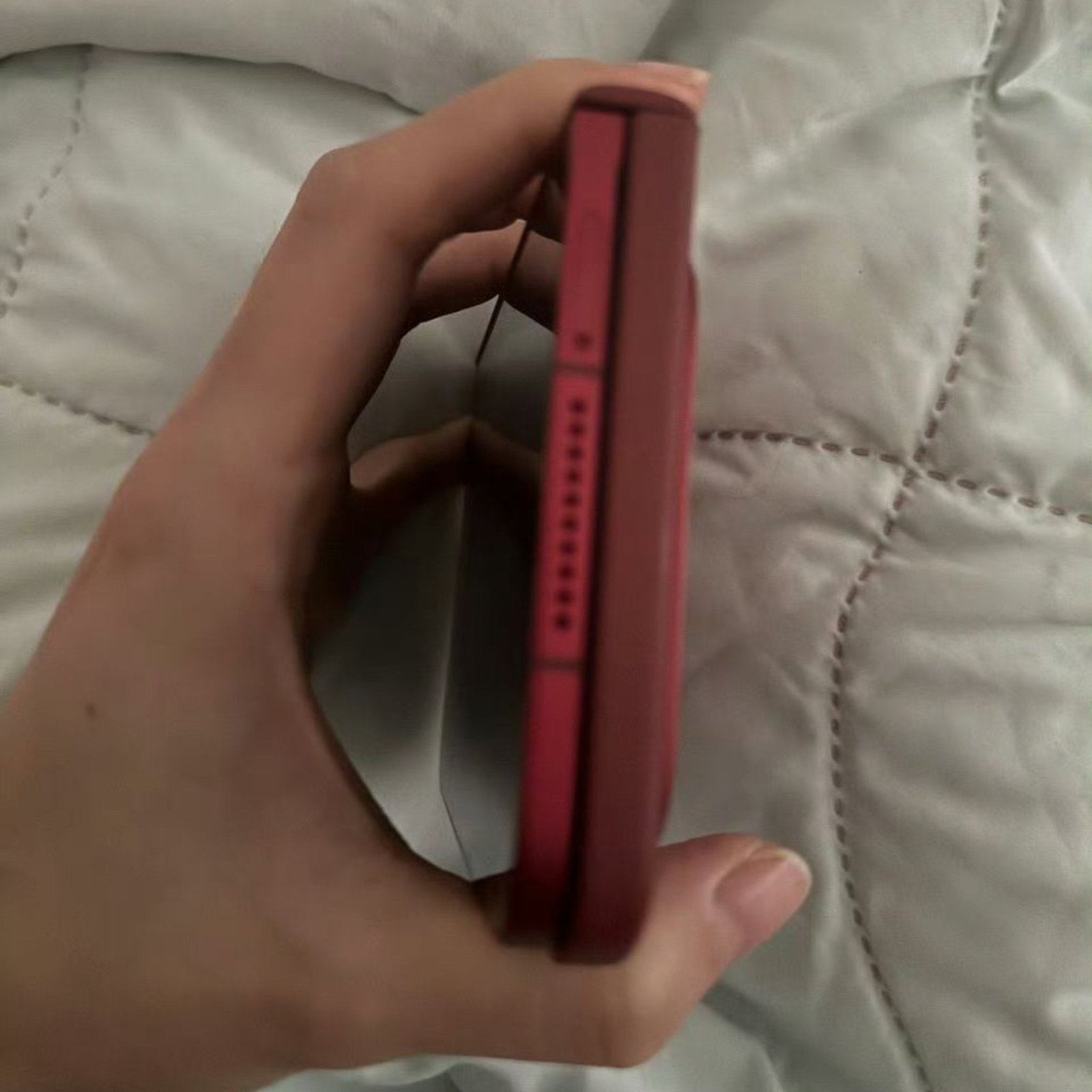
- Increased thickness when closed compared to ultra-slim vertical models.
- Potential pocket discomfort if width exceeds standard phone limits.
- Ongoing app fragmentation for non-standard aspect ratios.
Will This Change the Foldable Market?
By prioritizing human-centric proportions and custom silicon performance, manufacturers are solving the form factor’s biggest historical complaints. When hardware finally aligns with natural human reach, ergonomics wins habits.
Hands-On Reviewer Checklist
- Perform grip comfort tests with one hand.
- Complete timed one-handed typing tests on the outer screen.
- Test pocketability in standard trousers.
- Measure battery drain during mixed outer/inner usage.
- Verify seamless app continuity during screen transitions.
This is Xiaomi 18 Fold (First Design)
— RAIHAN HAN (Informasi Gadget) (@raihanhan121) August 25, 2026
Main: 6,56-inci OLED LTPO
Second: 7,5 – 7,6-inci OLED LTPO
XRING 03 (3nm TSMC)
2× 4.35GHz C1-Ultra
4× 3.68GHz C1-Premium
4× 3.15GHz C1-Pro
GPU : G2-Ultra NX (16-core)
Maun: 200MP + OIS
6000mAh
67W + Wireless
Android 17, HyperOS 4 pic.twitter.com/KilUoxQnsF
Sources
- Xiaomi Official Newsroom and Product Announcements – Xiaomi Newsroom
- Qualcomm Snapdragon SoC Documentation – Qualcomm News
- The Verge Foldable Device Coverage – The Verge
- iFixit Teardowns and Repairability Reports – iFixit