
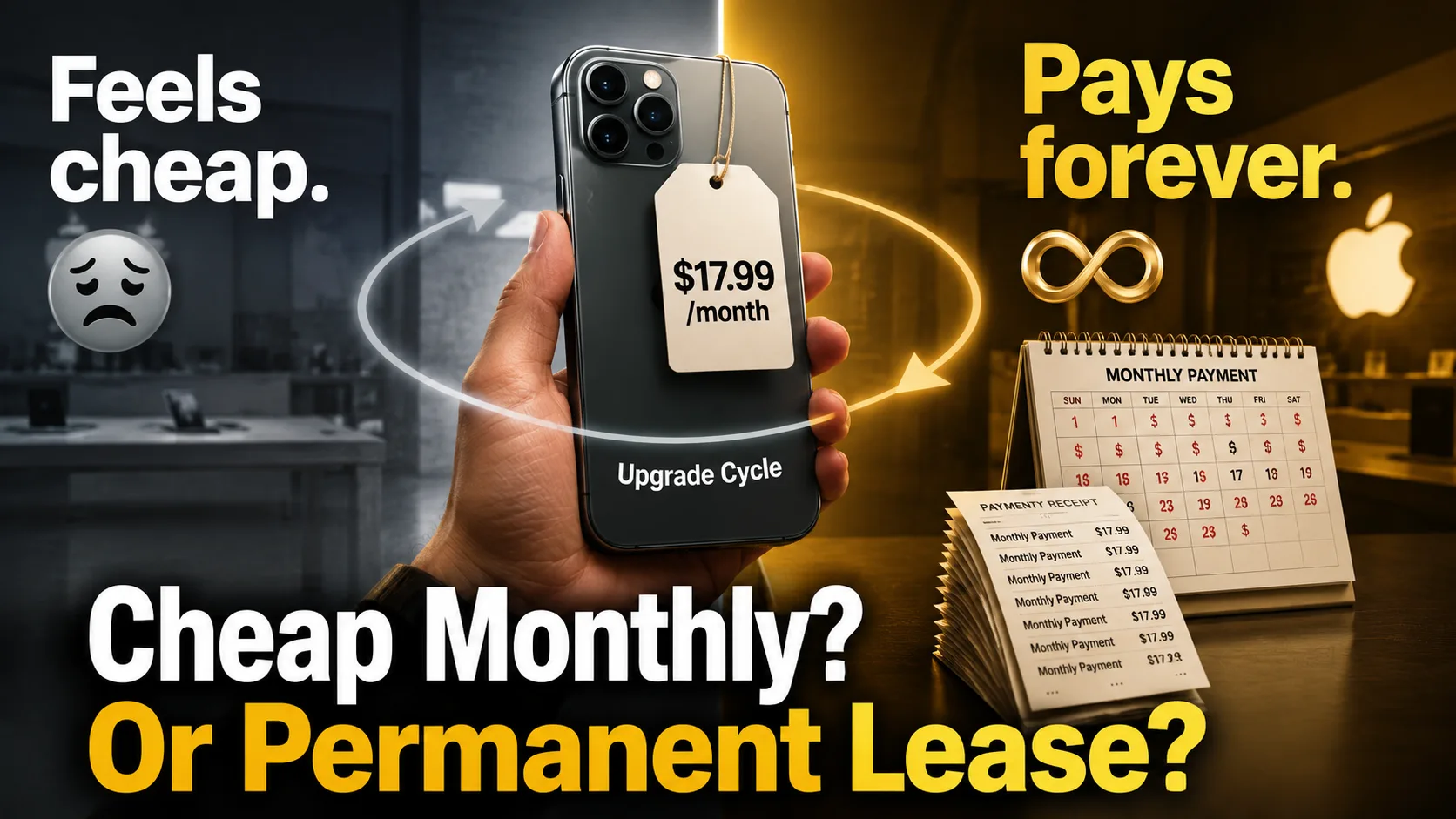
Apple may be rebranding affordability, but its new upgrade model could quietly lock buyers into an endless payment cycle. At $17.99 a month for a 24-month lease, the deal looks painless on paper. But what happens when the upgrade never really ends? If ownership disappears, are consumers actually saving money—or just trading one recurring utility bill for another?
As global hardware prices surge, shifting customers from buying to subscribing allows Apple to drain buyer wallets indefinitely while keeping hardware churn high.
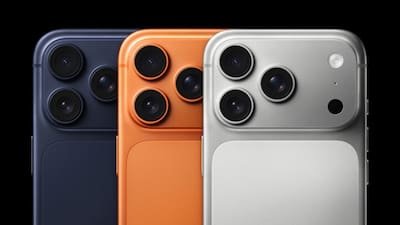
Is a cheap monthly payment still cheap if you never actually own what you’re paying for?
Why the Monthly Price Looks Harmless
The push toward hardware-as-a-service is a fundamental shift in how personal electronics are sold. Rather than paying $800 upfront or financing to own over 24 months, Apple’s new Apple Upgrade leasing program—backed by Klarna—treats iPhones like luxury car leases.
By spreading costs out, entry barriers dissolve, but the long-term math tells a very different story.
| Claim | What It Actually Means |
|---|---|
| $17.99/mo low price | Low entry barrier, but payments never build equity. |
| No upfront balloon cost | Easy to start, but requires returning the device or paying extra to keep it. |
| Seamless 12/24 month trade-in | Locks users into a perpetual, non-stop hardware subscription. |
| 3% Daily Cash back | Small perk that masks the loss of secondary trade-in value. |
What the Fine Print Actually Changes
When you buy a smartphone on traditional 0% APR financing, every payment builds equity until you own the device outright. Once paid off, your monthly bill drops to zero, or you can sell the phone on the secondary market to recover $300–$500 in trade-in value.
Under the new lease structure, that equity vanishes entirely.
- Zero Ownership Equity: At the end of 24 months, you don’t own the phone. You must surrender it or make a final payout to purchase it.
- Condition Penalties: Minor screen cracks or frame damage can trigger return fees when trading in at the end of the term.
- The Perpetual Payment Loop: Upgrading every year resets your 24-month lease timer, ensuring Apple collects money from you forever.
What happens when ownership becomes purely optional?
Apple has officially launched ‘Apple Upgrade,’ a new product leasing program provided by Klarna in the United States 🚨
— Apple Hub (@theapplehub) July 28, 2026
Apple Upgrade offers 12 and 24-month leasing options for iPhone and Apple Watch, and 24 and 36-month leasing options for Mac and iPad. Leasing prices start as… pic.twitter.com/twzdW4xOEd
Who Benefits Most from This Model
Not all buyers lose under a hardware leasing model, but the distribution of benefit heavily favors the manufacturer.
- Frequent Upgraders (Winners): Tech enthusiasts who replace their phones every 12 months anyway get lower monthly outlays without dealing with resale listings.
- Long-Term Holders (Losers): Drivers and budget-conscious users who normally keep phones for 4–5 years end up paying far more than retail price.
- Apple & Financing Partners (Big Winners): Apple secures guaranteed recurring hardware revenue and predictable supply chains of refurbished stock.
“Consumers often focus purely on monthly affordability and completely miss the compounding long-term cost of repeated upgrade cycles,” warns a senior consumer finance analyst.
According to official program announcements in the Apple Newsroom, the new Apple Upgrade lease system replaces legacy financing programs. Further reporting by MacRumors confirms that Klarna handles the underlying credit arrangements, while financial analysis on Forbes outlines the specific tier breakdown across Mac, iPad, and Watch models.
The Real Cost of “Cheap” Upgrades
If you pay $17.99 every month for six years across three different leases, you will have spent over $1,295—and at the end of those six years, you will own exactly zero devices. In contrast, buying a single flagship and keeping it for three years leaves you with a functional asset that still holds resale value.
If you’re paying forever, are you really upgrading—or just renting your daily life?
For most consumers, true affordability isn’t about how small the monthly payment looks today—it’s about when the payments finally stop.