
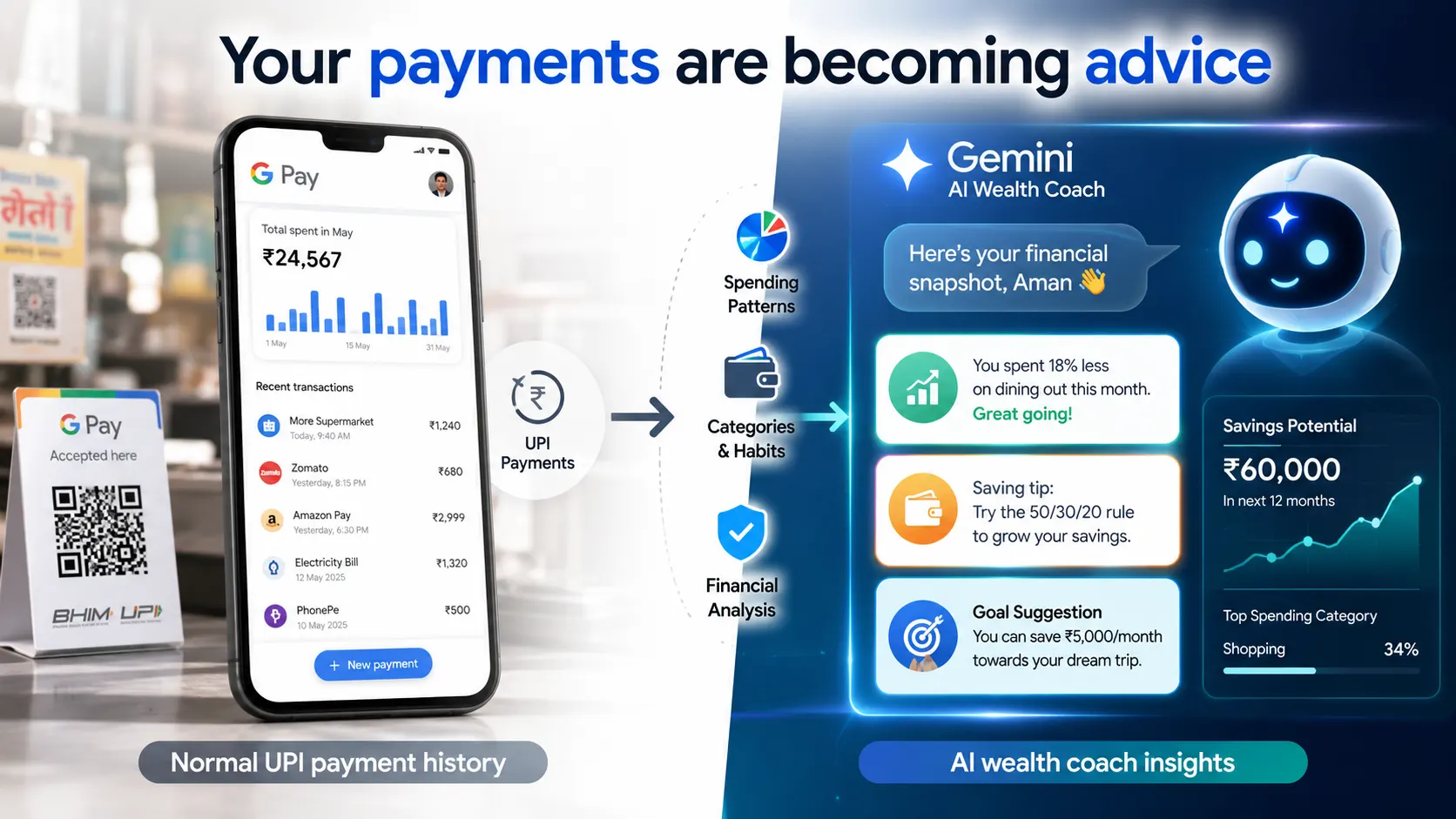
Google Pay is poised to revolutionize how millions handle their daily finances. India’s Unified Payments Interface (UPI) network processes over 13 billion transactions monthly, giving payment apps an unprecedented view into consumer spending habits.
So when your transaction history starts explaining your behavior and nudging your choices, who actually controls your financial decisions? Integrating artificial intelligence like Google Gemini into payment flows will fundamentally disrupt traditional banking relationships.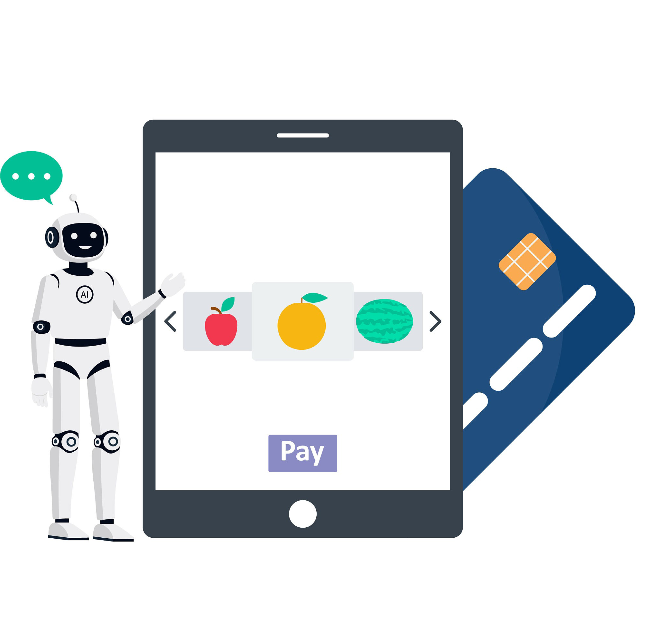
Why This Shift Matters
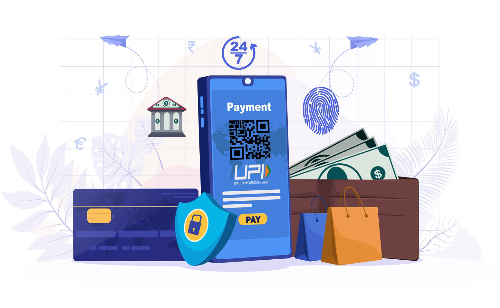
UPI sits firmly at the center of daily money movement across India. Every tea purchase, utility bill, and online order creates a continuous financial trail.
While traditional banks only see isolated account statements, Google Pay sees the entire transaction context. Blending Gemini AI into this data stream turns raw payment histories into actionable advice.
- Pattern Recognition: Detects recurring subscriptions and subtle overspending trends before they derail your budget.
- Proactive Nudges: Suggests optimal times to pay bills to avoid late fees or leverage early discounts.
- Automated Savings: Identifies surplus cash flow and prompts micro-investments directly from your wallet balance.
That shift could make Google Pay feel less like a checkout app and more like a permanent financial companion.
How Gemini Changes the Product
Traditional payment applications act purely as digital ledgers—they record where your money went after the transfer completes.
A Gemini-powered intelligence layer shifts the paradigm from historical recording to proactive financial steering. By processing spending context in real time, the app can calculate cash-flow runways and flag unusual merchant charges immediately.
“The biggest shift is that payment apps can now move from recording behavior to shaping behavior.” — Fintech Product Strategist
What Data Makes the Advice Sharper
| Data Stream | Traditional Bank Visibility | Gemini-Enhanced GPay View |
|---|---|---|
| Daily Micro-Transactions | Fragmented across accounts | Centralized real-time feed |
| Merchant Categorization | Generic codes (e.g., “Retail”) | Context-aware spending tags |
| Predictive Cash Flow | Static monthly balances | AI-driven bill forecasting |
Why Banks May Struggle to Catch Up
Legacy banking portals often struggle with fragmented user interfaces and delayed data processing.
- Higher Stickiness: Users return throughout the day for tailored financial advice, not just during checkout.
- Hyper-Personalization: Recommendations grow sharper as Gemini maps long-term consumer habits.
- Competitive Moat: Banks risk being relegated to silent backend infrastructure while tech platforms control the customer relationship.
The winner is no longer the app that processes money fastest, but the one that understands money best.
The Privacy Question Users Cannot Ignore
While personalized wealth guidance offers clear benefits, it also raises critical data handling questions:
- Consent Transparency: How granular can users control which transaction categories Gemini reads?
- AI Overreach: Will automated nudges cross the line from helpful advice to intrusive commercial promotion?
- Data Security: Ensuring sensitive financial indicators remain protected under strict national privacy regulations like India’s DPDP Act.
Would you trust an AI assistant with complete visibility over your personal wealth management?
Google has announced Ask Google Pay.
— Mukul Sharma (@stufflistings) July 29, 2026
Users can now ask Gemini to help track their spends and more in a conversation manner right from the app. pic.twitter.com/qbrYsbnLmc
What Comes Next for UPI
As AI models mature, payment platforms will evolve into full-stack personal finance managers.
- Integration with credit services to recommend low-interest debt consolidation.
- Automated tax-saving investment suggestions triggered by end-of-quarter account balances.
- Conversational money management where users simply ask: “Can I afford this purchase today?”
Official ecosystem updates and developer details are available through Google Pay, Google Gemini, and the NPCI Portal.
If Google Pay succeeds, the next battle in fintech won’t be about processing transactions—it will be about who becomes the default financial advisor inside your smartphone.