
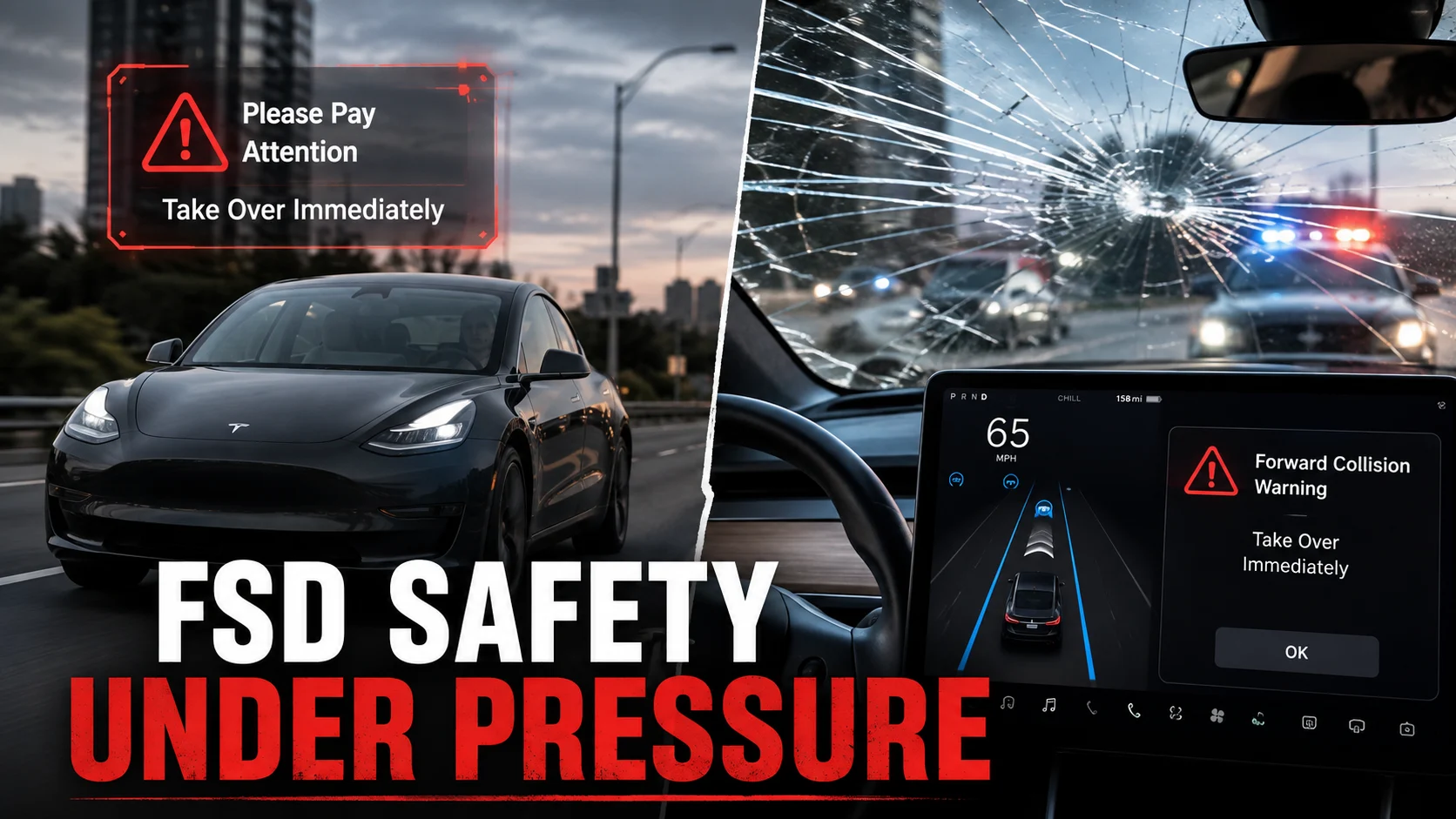
A Tesla engineer’s recovery update after an FSD crash has jolted the automotive world again. Federal regulators have investigated over 950 Autopilot and FSD crashes, while 3.2 million Tesla vehicles remain linked to active safety evaluations.
How many warnings are enough before driver-assist rules change? This high-profile incident ignited urgent public debate and forced fresh questions about automated vehicle safety.
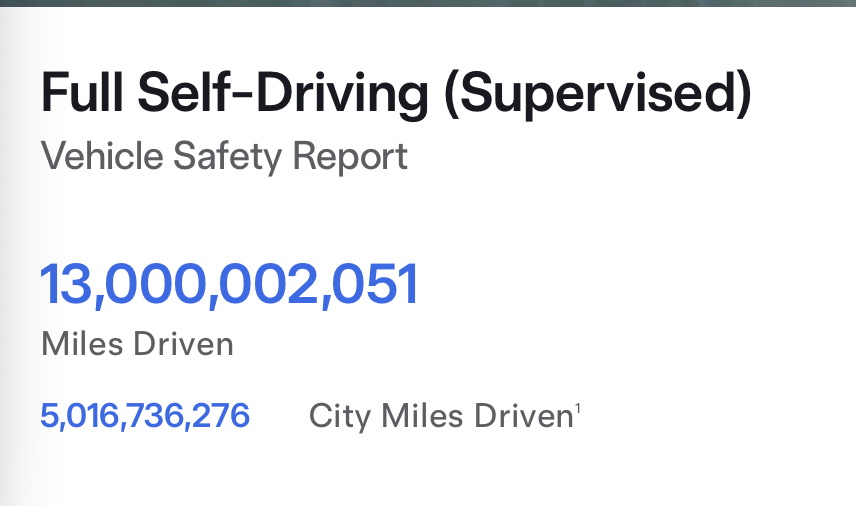
What We Know So Far
What actually happened during the incident?
The engineer confirmed he is recovering following a collision where Tesla’s Full Self-Driving (FSD) software was engaged. While physical recovery is progressing, critical technical details surrounding system logs, camera visibility, and driver intervention time remain under review by safety researchers.
| Angle | What to Cover |
|---|---|
| Crash Update | Driver recovery status, vehicle telemetry, confirmed telemetry logs |
| Safety Debate | Camera vision limits, reduced visibility, driver monitoring effectiveness |
| Regulation | NHTSA probes, recall compliance, software update requirements |
| Market Impact | Consumer confidence, brand perception, level 2 autonomy claims |
Why the Safety Debate Keeps Growing
Why does every FSD crash spark nationwide headlines?
Unlike traditional car accidents, collisions involving Level 2 driver-assistance software raise fundamental questions about public road safety. Drivers frequently overestimate the system’s capabilities, leading to dangerous overreliance during complex driving conditions.
- Driver Confusion: Marketing names like “Full Self-Driving” lead users to assume complete autonomy.
- Camera-Only Limits: Harsh sun glare, heavy fog, and dust can blind vision-only sensors.
- Reaction Windows: Drivers are given only split-seconds to regain manual control before impact.
Regulators Are Watching Closely
Are authorities moving fast enough to enforce safety standards?
Transportation safety agencies are intensifying investigations into how automated systems handle edge cases and reduced visibility. Federal probes now cover millions of vehicles equipped with semi-autonomous software updates.
“The real challenge isn’t just scaling autonomous software — it’s proving that vision systems can detect hazards early enough to prevent high-speed collisions in adverse weather.” — Automotive Safety Researcher
Life update:
— William Chen (@solidwillity) August 2, 2026
It’s been kinda hard the past two weeks.
I’ve been trying to live normally but honestly it’s still hard.
Been in and out of hospitals, figuring out surgery (keeps getting delayed), trying to work (hard to focus and sleep), travel for conferences, run Touchdown… pic.twitter.com/t1g29XehS7
The Real-World Risks Drivers Face
When software fails to detect stationary obstacles, emergency vehicles, or sudden weather changes, drivers must take over instantly. But here’s the problem: human attention lags when monitoring automated systems for extended periods.
- Edge Case Failures: Unexpected road debris, glare, or traffic redirectors can confuse AI vision.
- Monitoring Fatigue: Drivers grow complacent and fail to keep hands on the wheel.
- Legal Responsibility: Current law holds the human driver 100% accountable for all Level 2 crashes.
What Tesla and Rivals Must Answer Next
Can EV makers turn safety promises into proven real-world reliability?
Official Sources & Coverage
Official Safety Reports & Industry Portals: • NHTSA Recalls & Investigations Portal • Tesla Official Engineering Blog & Releases • Bloomberg Technology Coverage • Reuters Automotive & Transportation News