
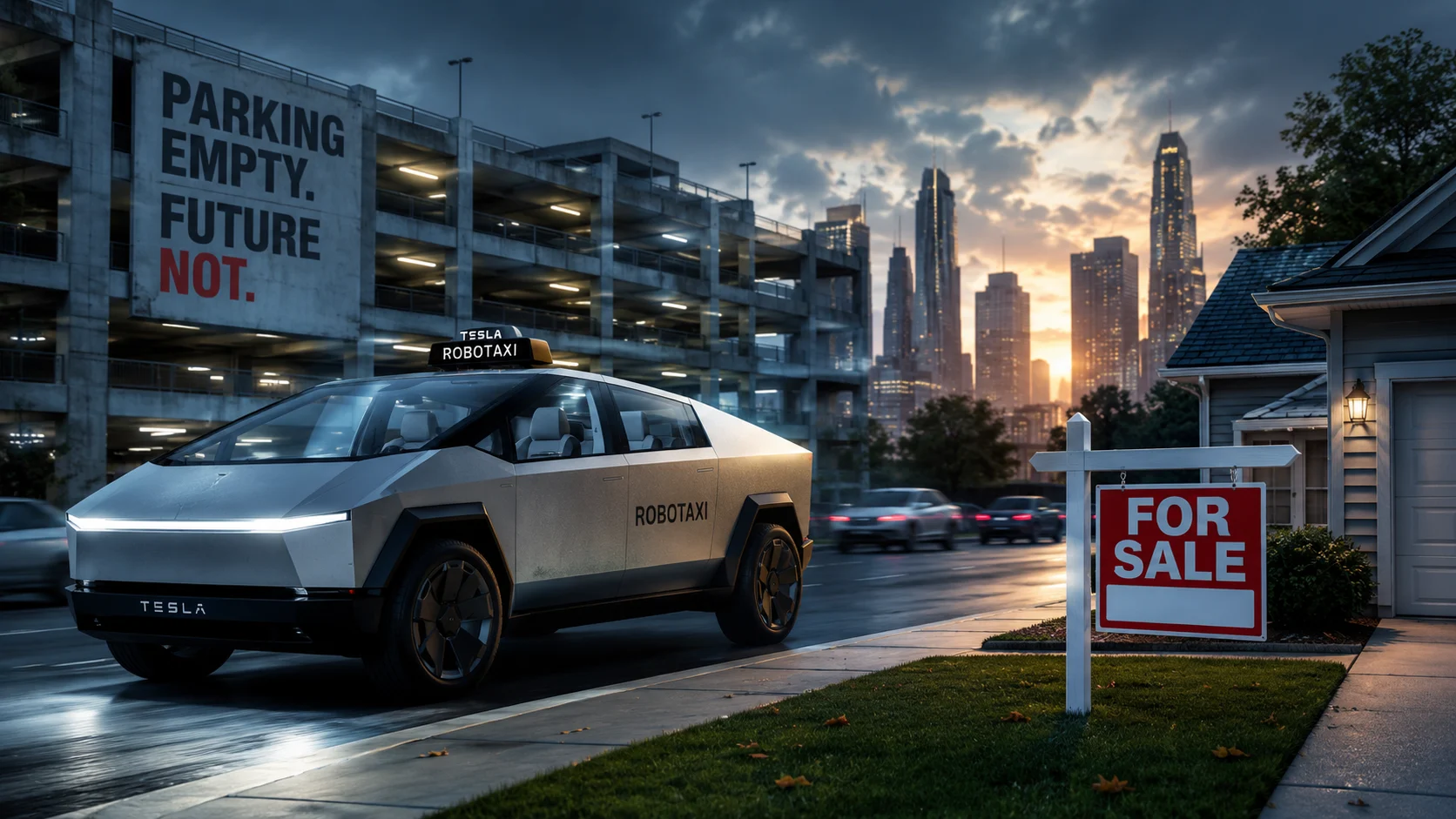
Cities are trembling as the Tesla Cybercab robotaxi threatens to erase the private car. A single centralized fleet can cut vehicle needs by up to 75%, drive utilization from 5% to 70%, and push per-mile transit costs below $0.50 in dense corridors.
What happens to parking garages, suburban driveways, and the car-dealer model when ownership is no longer the default? Urban planners should be alarmed and property owners nervous—because this shift will ripple through real estate, municipal budgets, and labor markets.
What the Cybercab robotaxi is — and why it’s different
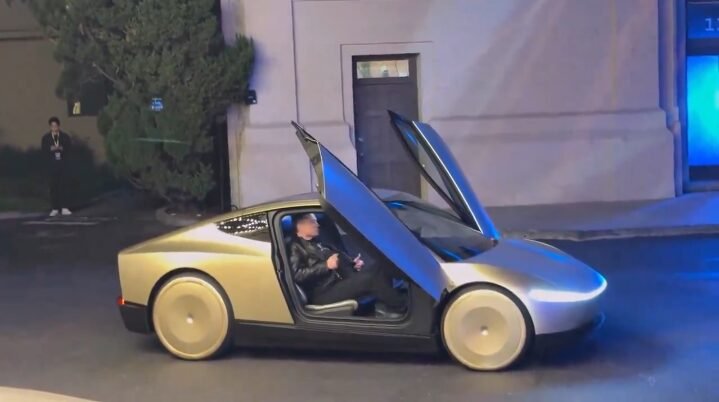
The Tesla Cybercab robotaxi is a purpose-built, steering-wheel-free and pedal-less autonomous vehicle engineered from the ground up for shared mobility networks. Unlike retrofitted consumer cars, it relies entirely on Tesla’s advanced AI hardware stack to handle complex urban environments.
- Design: A two-seat layout optimized for high-frequency urban trips.
- Economics: Built for maximum vehicle utilization rates and ultra-low per-mile transit costs.
- Operations: Deeply integrated into automated fleets via over-the-air management and remote dispatching.
How ultra-soothing per-mile costs change consumer math
When everyday commuting costs drop to a fraction of traditional vehicle ownership, the financial logic of buying a car collapses. Let’s look at the shifting breakdown:
| Cost Factor | Traditional Private Ownership | Cybercab Robotaxi / Shared Mobility |
|---|---|---|
| Initial Outlay | High down payment or auto loan | Zero (Pay-per-mile or subscription) |
| Fixed Costs | Insurance, registration, maintenance | Bundled into platform fee |
| Depreciation | Rapid loss of value while parked 95% of time | None for the consumer |
Would you still buy a car if door-to-door autonomous transport arrived faster and cheaper than paying for parking? For urban singles and downtown commuters, the answer is increasingly no.
The parking apocalypse — public and private fallout
Parking eats up nearly a third of total land use in major metropolitan areas. As autonomous fleets keep cars moving rather than sitting idle, parking demand is projected to plummet by up to 60–80% over the next decade.
- Street Real Estate: Reclaiming curb space for bike lanes, outdoor dining, and pedestrian walkways.
- Municipal Budgets: Cities facing a steep drop in parking citation and garage revenue will have to rewrite tax models.
- Stranded Assets: Multi-story parking structures face massive obsolescence, forcing expensive structural conversions.
Real estate shockwaves — winners and losers
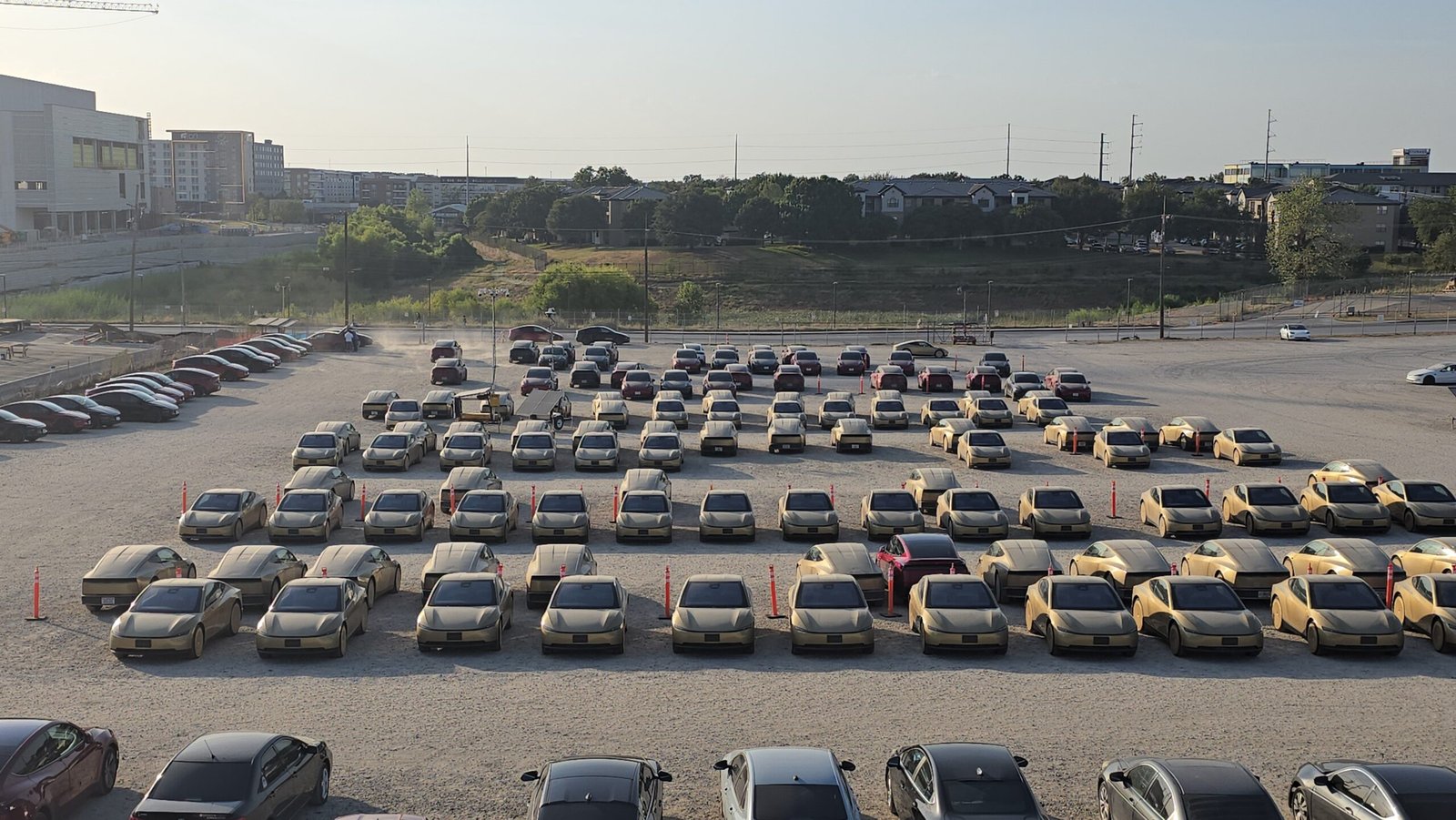
The ripple effects of widespread shared mobility will radically alter property values. Suburban homes built around sprawling multi-car garages may lose relative appeal compared to urban cores serviced by seamless autonomous transport networks.
- Winners: Mixed-use transit hubs, micro-apartment developers, logistics micro-fulfillment spaces, and pedestrian-friendly retail zones.
- Losers: Traditional auto dealerships, roadside service garages, suburban parking-heavy strip malls, and car-rental agencies.
Labor, social, and regulatory ripple effects
While autonomous scaling promises lower accident rates and smoother traffic flow, it brings severe systemic disruptions. Professional driving jobs across delivery, taxi, and ride-hailing sectors face immediate displacement, creating an urgent need for workforce retraining.
Meanwhile, regulators are scrambling to address data privacy, safety certification, and equitable access to ensure lower-income neighborhoods do not become “mobility deserts.”
What traditional automakers and dealers must do now
Legacy automakers can no longer rely on selling metal boxes to individual buyers. To survive the pivot, legacy players must:
- Pivot to Fleet-First Designs: Manufacture modular, rugged vehicles built specifically for commercial fleet abuse.
- Monetize Software and Services: Shift revenue models from one-off sales to recurring software subscriptions and maintenance contracts.
- Partner with Mobility Platforms: Integrate proprietary hardware into autonomous ride-hailing networks before independent tech giants lock them out.

City playbook — policies to capture value and reduce harm
Municipalities must proactively manage the transition rather than reacting to congestion. Key policy tools include:
- Dynamic Curb Pricing: Taxing curb access to prevent empty robotaxis from circling endlessly.
- Zoning Reform: Permitting the conversion of empty parking lots into affordable housing or green spaces.
- Transit Integration: Merging autonomous fleets with public rail and bus lines to create unified mobility ecosystems.
Also Read: Flush EV Door Handle Safety: The Hidden Danger After a Crash
Scenarios & timeline to 2035
| Scenario | Market Adoption Speed | Impact on Real Estate & Parking | Status of Private Ownership |
|---|---|---|---|
| Rapid Adoption | High-density deployment by 2028 | Massive repurposing of urban garages | Plummets in major metros |
| Gradual Transition | Slow scaling restricted by regional rules | Moderate parking reduction | Retained by rural/suburban buyers |
| Fragmented Rollout | Stalled by regulatory hurdles & pushback | Minimal immediate change | Remains baseline standard |
The choice cities and automakers face
The arrival of purpose-built autonomous fleets forces a historic reckoning. Automakers must evolve into mobility service providers, and cities must redesign their footprints for people, not parked metal.
- Would you give up your car for cheaper, door-to-door robotaxi service?
- What should cities do first: tax robotaxi trips or repurpose parking garages?
Share your thoughts below, or subscribe for our ongoing coverage of shared mobility economics and autonomous vehicle regulations.
Cybercab with no steering wheel or pedals driving around Austin
— Dalton Brewer (@daltonbrewer) August 23, 2026
TESLA HAS ACCOMPLISHED THE IMPOSSIBLE!!!$TSLA pic.twitter.com/UEF1PAbx9t
Frequently Asked Questions
Will private cars disappear overnight?
No. While urban adoption will happen fast due to cost advantages, rural and suburban regions with sparse infrastructure will retain private vehicle ownership for decades.
How soon will car dealerships be affected?
As ridesharing and autonomous fleets scale in tier-1 cities, new vehicle sales to urban residents will decline sharply, forcing dealerships to pivot toward fleet maintenance or consolidation by 2030.
Will robotaxis be cheaper than public transit?
In high-density shared corridors, optimized fleet operations may match or undercut traditional bus fares, though municipal rail will remain essential for mass transit volume.
Sources and further reading
- National Renewable Energy Laboratory (NREL) — Fleet electrification and utilization studies: NREL Official Website
- International Transport Forum — Shared mobility and urban planning reports: ITF-OECD
- McKinsey & Company — Autonomous vehicle and mobility market outlooks: McKinsey Insights
- U.S. Department of Transportation / NHTSA — Regulations and safety standards: Transportation.gov