

AI slop is exploding across social platforms, and user feeds are getting messier by the day. Recent industry estimates reveal that 79% of new images posted to Instagram, TikTok, and Pinterest show signatures of AI generation, while over 20% of new-user YouTube feeds consist of uncurated AI slop.
If users are already overwhelmed by repetitive content, what happens when most of it looks polished but meaningless? Major social networks are now racing to fight the flood and protect audience trust before users tune out completely.

Why AI Slop Is Surging
Generative AI tools have lowered the cost of digital media production to near zero. A single account operator can now deploy automated pipelines to publish thousands of articles, synthetic videos, or generated images every single day.
- Zero-Cost Production: Generative tools create infinite text, voiceovers, and images in seconds.
- Engagement Gaming: Automated accounts target trending keywords to harvest ad revenue and affiliate clicks.
- Algorithmic Amplification: Recommendation engines often mistake high upload volume for active engagement.
At what point does total automation turn feeds into background noise? When synthetic posts crowd out human interaction, social networks risk losing the core social connection that keeps users coming back.
How Platforms Are Responding
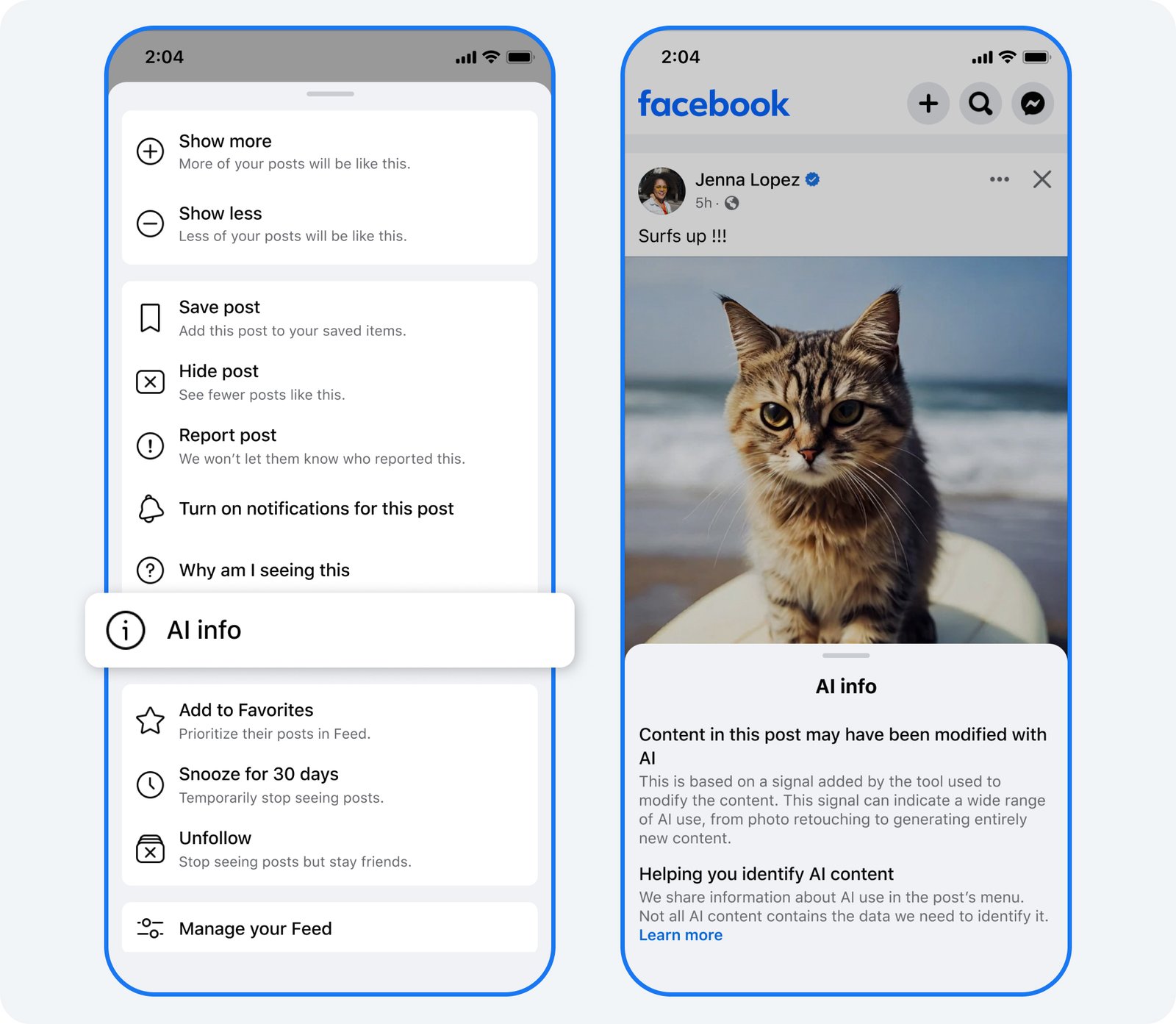
Social networks are moving from passive reporting models toward active moderation architectures. Platforms like TikTok auto-detect C2PA credentials, while LinkedIn and YouTube have introduced targeted reporting and suppression measures for synthetic low-quality posts.
- Automated Labeling: Embedding metadata tags and visual disclosures on synthetic uploads.
- Spam & Duplication Filters: Blocking accounts that post high-volume, identical AI templates.
- Downranking Signals: Adjusting recommendation algorithms to penalize generic AI patterns.
- Policy Enforcement: Demoting monetized accounts that rely entirely on low-effort synthetic media.
| Platform Response | Primary Function | Why It Matters |
|---|---|---|
| Synthetic Labels | Identifies AI-generated media | Gives users clear context before engaging |
| Duplication Filters | Flags repetitive templates | Prevents content farms from saturating feeds |
| Ranking Updates | Suppresses low-value posts | Rewards original human creation over volume |
| Monetization Audits | Strips ad revenue from slop | Cuts financial incentives for synthetic farms |
Why Users Are Getting Tired
The influx of synthetic media has triggered widespread audience fatigue. Readers and viewers increasingly struggle to differentiate between genuine experiences and machine-generated filler.
- Loss of Authenticity: Feeds feel repetitive, homogeneous, and emotionally distant.
- Erosion of Trust: Users question whether reviews, comments, and advice are real.
- Information Fatigue: Sifting through low-quality content increases user friction.
Are users actually noticing the difference between human creativity and AI slop? Absolutely — when every post feels like an interchangeable template, audience satisfaction drops rapidly.
“The challenge is no longer just detecting AI content — it’s preserving audience trust when feeds become saturated with machine-made repetition.” — Trust & Safety Research Analyst
The Risk to Publishers and Brands
For legitimate publishers and creators, synthetic volume presents a serious business threat. When platforms prioritize high-volume content, quality journalism and original media risk getting buried.
- Diluted Ad Value: Advertisers face higher risks of placing ads next to low-quality slop.
- Increased Discovery Costs: Creators must spend more effort and money to stand out.
- Focus on Quality: Verified, human-curated publication channels are becoming more valuable.
The real battle is not AI versus humans — it’s quality versus clutter.
LinkedIn now has a “Seems like AI slop” button as AI-generated posts flood the platform pic.twitter.com/h5uUeFz6eh
— non aesthetic things (@PicturesFoIder) August 1, 2026
What Happens Next
The digital ecosystem is reaching a turning point where uncurated volume is no longer sustainable. To protect feed quality, social networks and regulators are building tighter standards.
Official Reports & Regulatory Links: • Columbia SIPA Institute of Global Politics AI Slop Report • Pew Research Center Technology Desk • Ministry of Electronics and Information Technology (MeitY) Bulletins
Can platforms curb synthetic clutter before audiences leave? Networks that successfully balance AI innovation with human authenticity will win user trust in the next era of social media.