
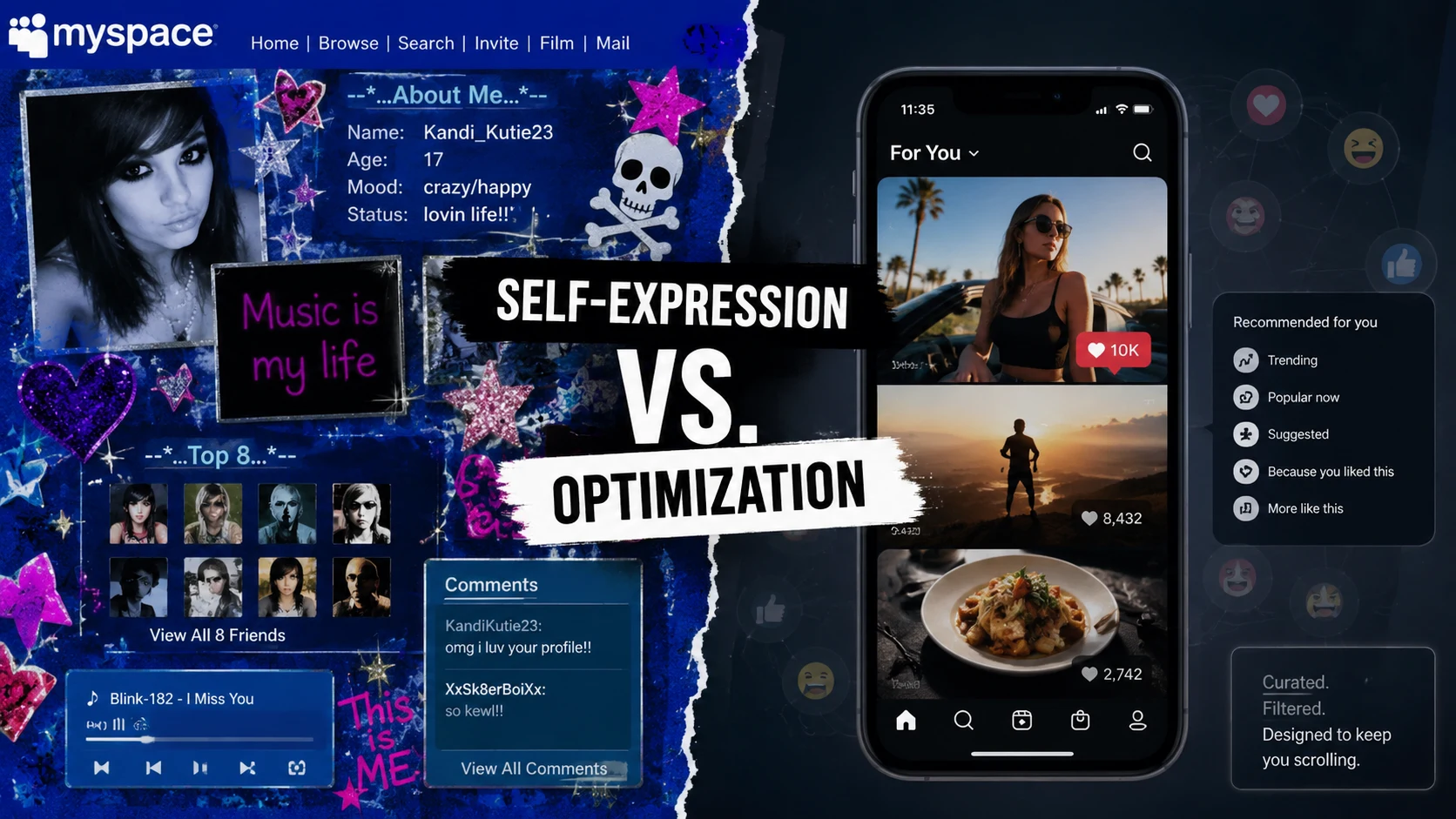
Myspace didn’t just disappear — it left behind a wild version of the web that users now passionately crave. Over 68% of digital creators report social fatigue, while daily screen time tops 143 minutes per person on algorithm-driven apps.
Why does the messy, customizable spirit of early social media suddenly feel like a radical sanctuary? Millions now rebel against hyper-optimized feeds to reclaim personal control over their digital identities.
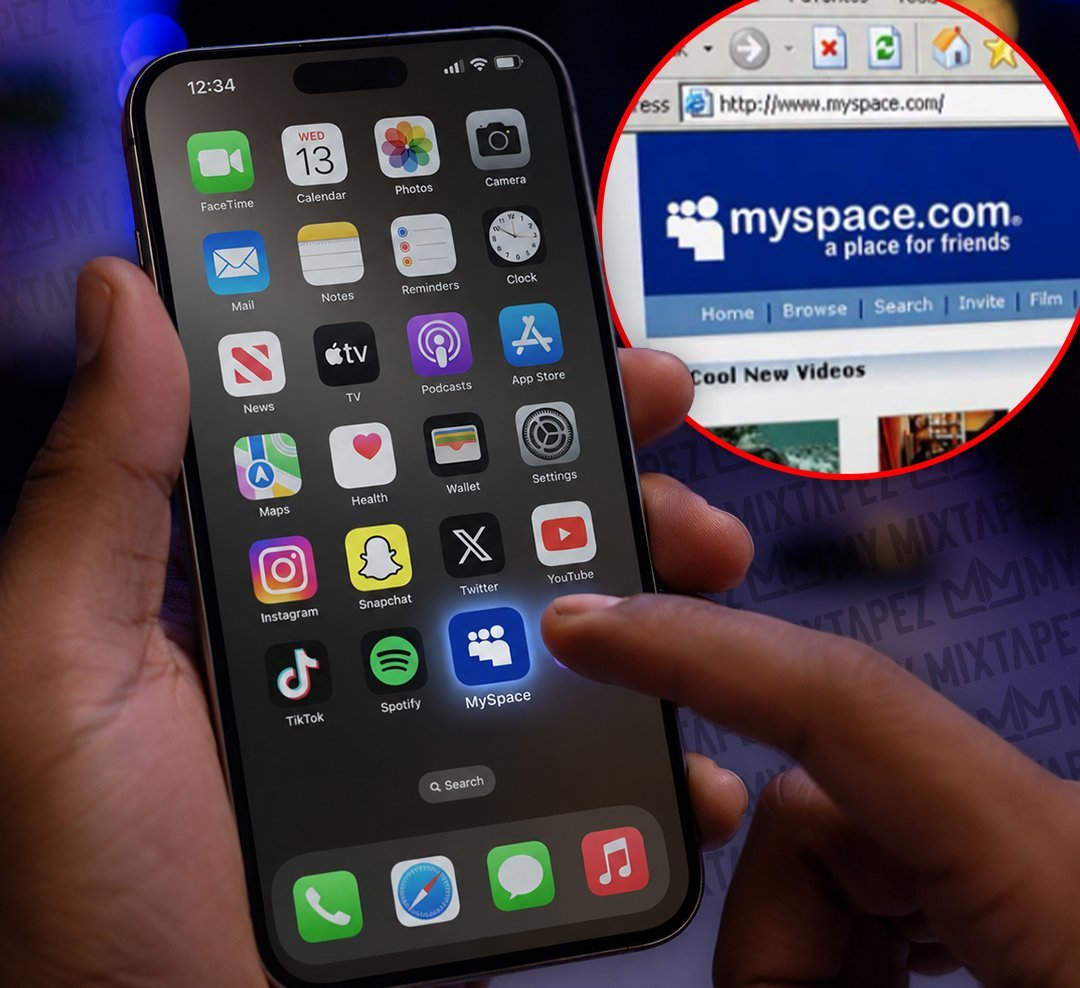
Why Myspace Still Haunts the Internet
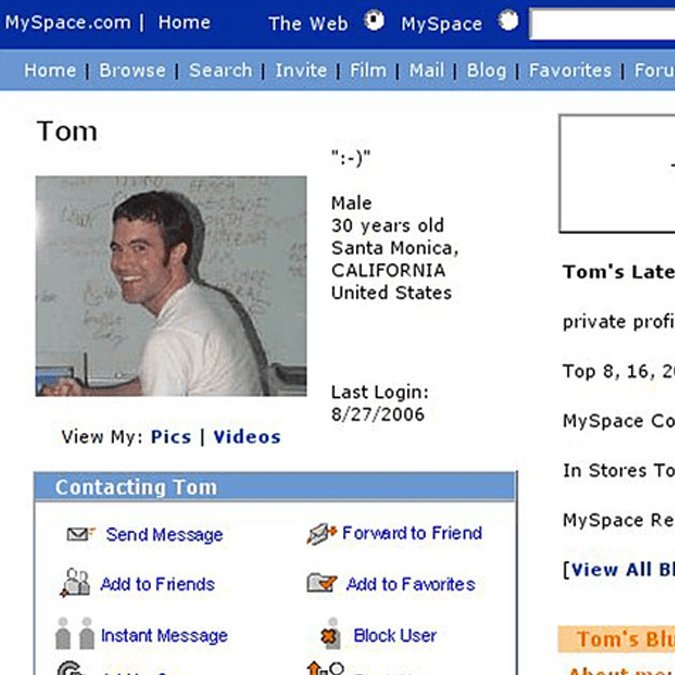
The desire for a Myspace revival is not just empty nostalgia. Early social platforms treated user profiles as personal homepages rather than standardized content templates designed to maximize ad views.
- Custom HTML/CSS: Users coded unique backgrounds, custom fonts, and custom color schemes.
- Auto-Playing Profile Music: Expressed personal taste and discovered underground music acts.
- The “Top 8” Friends Grid: Forced explicit social prioritization before automated follower counts took over.
Could a messier internet actually feel more human? Giving users complete visual control turned profile pages into unique digital bedrooms instead of uniform corporate templates.
Why Algorithmic Feeds Feel Exhausting
Modern platforms operate as recommendation engines optimized for engagement metrics, watch time, and click-through rates. This constant pressure to perform creates widespread fatigue among casual posters and professional creators alike.
- Performance Pressure: Every post competes globally for likes, retweets, and viral reach.
- Homogenized Profiles: Profiles look identical across accounts to keep users scrolling effortlessly.
- Loss of Control: Algorithms decide what followers see, burying personal updates under viral videos.
Why Anti-Algorithm Culture Is Growing
The shift toward “anti-algorithm” spaces reflects a growing movement to opt out of automated content farming. Gen Z users are increasingly building retro websites, joining decentralized networks, and seeking smaller online communities.
| Feature Area | Modern Platforms (TikTok/X) | Myspace Era Platforms |
|---|---|---|
| Feed Priority | AI recommendation engine | Direct friend updates |
| Profile Design | Standardized grid templates | Fully customizable HTML |
| User Goal | Chasing viral metrics & reach | Personal self-expression |
| Monetization | Ad impressions & engagement | Peer-to-peer connection |
What if the real trend isn’t nostalgia, but emotional burnout? Moving away from infinite recommendation feeds restores agency to online social life.
What a Myspace-Style Comeback Means
A modern Myspace revival does not mean copying 2005 technology line for line. Instead, it represents a demand for privacy-focused, community-first spaces where users control their feeds.
“The real innovation isn’t removing algorithms entirely — it’s taking away their power to dictate human identity.” — Digital Culture Researcher
- Niche Communities: Smaller spaces focused on shared hobbies rather than viral broadcast reach.
- Chronological Feeds: Showing posts from actual friends in the order they were published.
- Decentralized Ownership: Users own their personal data and profile layouts outright.
JUST IN: MySpace plans to relaunch the platform pic.twitter.com/Ho3gzFTWkh
— Remarks (@remarks) July 31, 2026
Official Sources
Key Links & Resources: • Pew Research Center Internet Studies • Harvard Business Review Digital Workplace Analysis • Web Design Museum Archive
Is the Myspace comeback about product design — or emotional relief? As fatigue from algorithmic feeds grows, the desire for genuine, user-controlled spaces may shape the next decade of social media.