
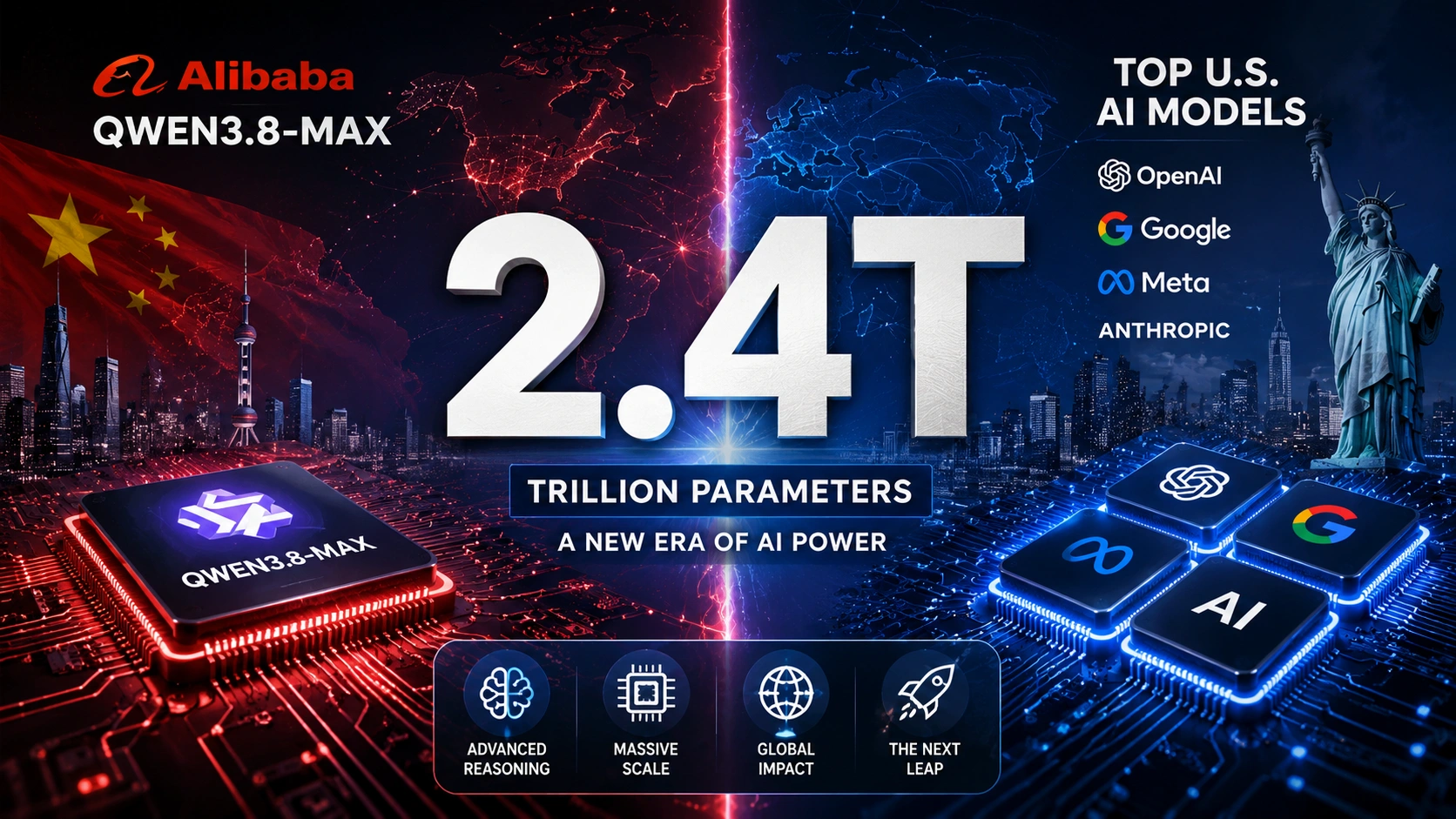
Alibaba has jolted the AI world by unleashing Qwen3.8-Max with a massive 2.4 trillion parameters.
With a 128,000-token context window and over 30% higher reasoning efficiency, can any U.S. model still claim a clear lead? The answer could reshape the global AI balance of power across enterprise markets right now. Does a bigger model still mean a better model?
As hardware costs climb, this release forces researchers to re-evaluate whether raw parameter count or architectural efficiency will dominate the next decade.
What 2.4 Trillion Parameters Actually Means
Why does parameter count generate so much hype?
Parameters represent the internal connections—the “weights”—that a model uses to understand context, generate code, and solve complex problems. Scaling to 2.4 trillion parameters expands the model’s memory capacity dramatically, but it also demands immense computational power.
| Term | Simple Meaning | Why It Matters |
|---|---|---|
| Parameters | Internal learned connection weights | Determines model capacity and depth |
| Compute | Processing power used for training and running | Controls real-time response speed and cost |
| Architecture | The fundamental design of the neural network | Allows leaner models to outsmart larger ones |
How It Compares to U.S. AI Models
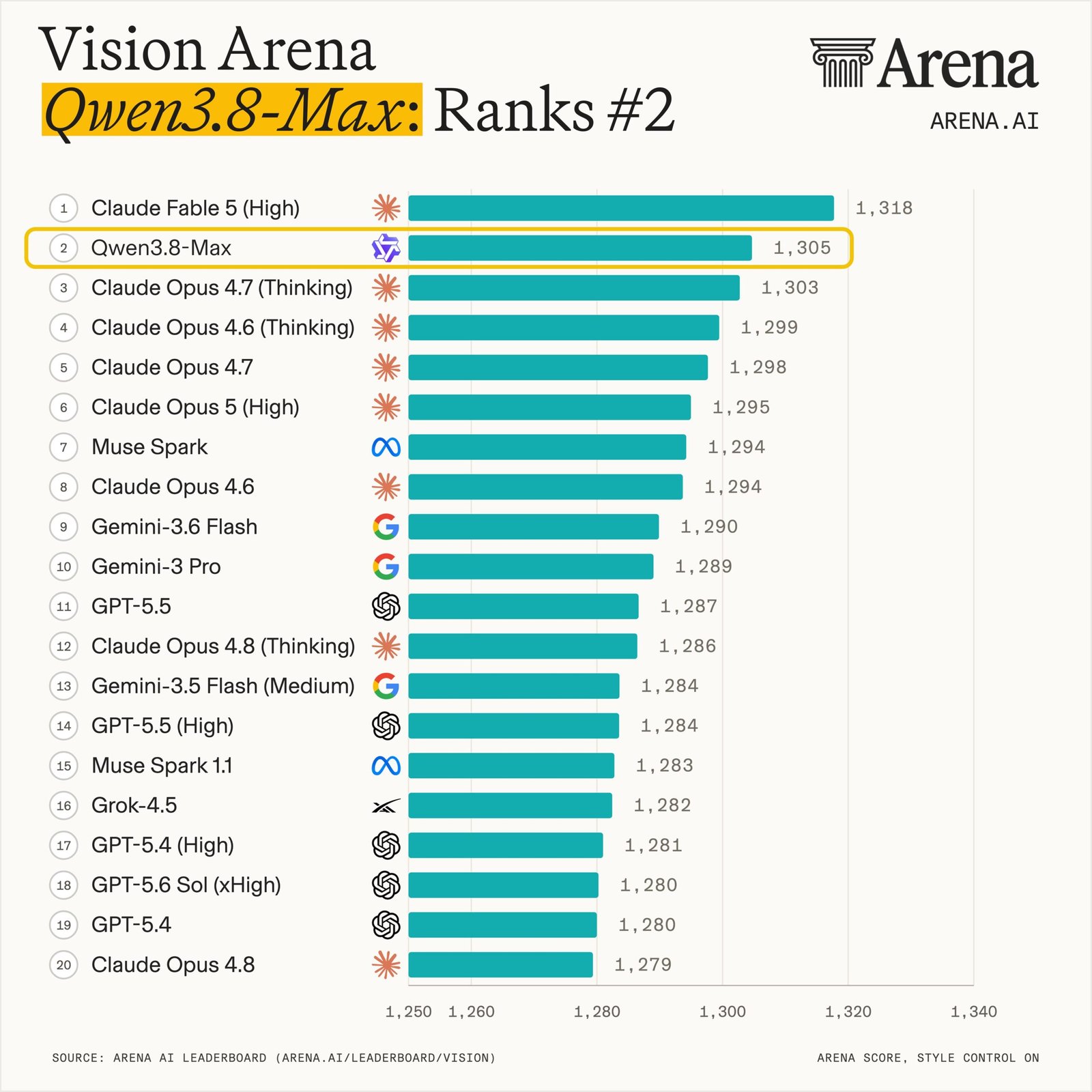
Alibaba is signaling serious frontier ambition, competing directly with major U.S. frontier systems. However, scaling up hardware creates massive operational challenges during deployment.
- Scale Advantage: Expanding capacity allows for richer multilingual comprehension and deeper zero-shot reasoning.
- Efficiency Questions: Operating a 2.4T parameter setup requires heavy infrastructure optimization to manage latency.
- Deployment Reality: Enterprise users prioritize low latency, predictable API pricing, and strict data privacy over sheer model size.
“The real breakthrough isn’t just scale — it’s whether the model can convert scale into measurable gains in reasoning, efficiency, and deployment value.” — AI Infrastructure Specialist
Why This Matters in the AI Race
Can Alibaba turn raw scale into a practical enterprise advantage?
The global market is closely watching how open and commercial frontier systems perform under real enterprise workloads. Building massive models tests supply-chain limits and pushes specialized GPU clusters to their absolute edge.
But the real test is not how large Qwen3.8-Max is — it’s how well it performs when the benchmarks stop being flattering.
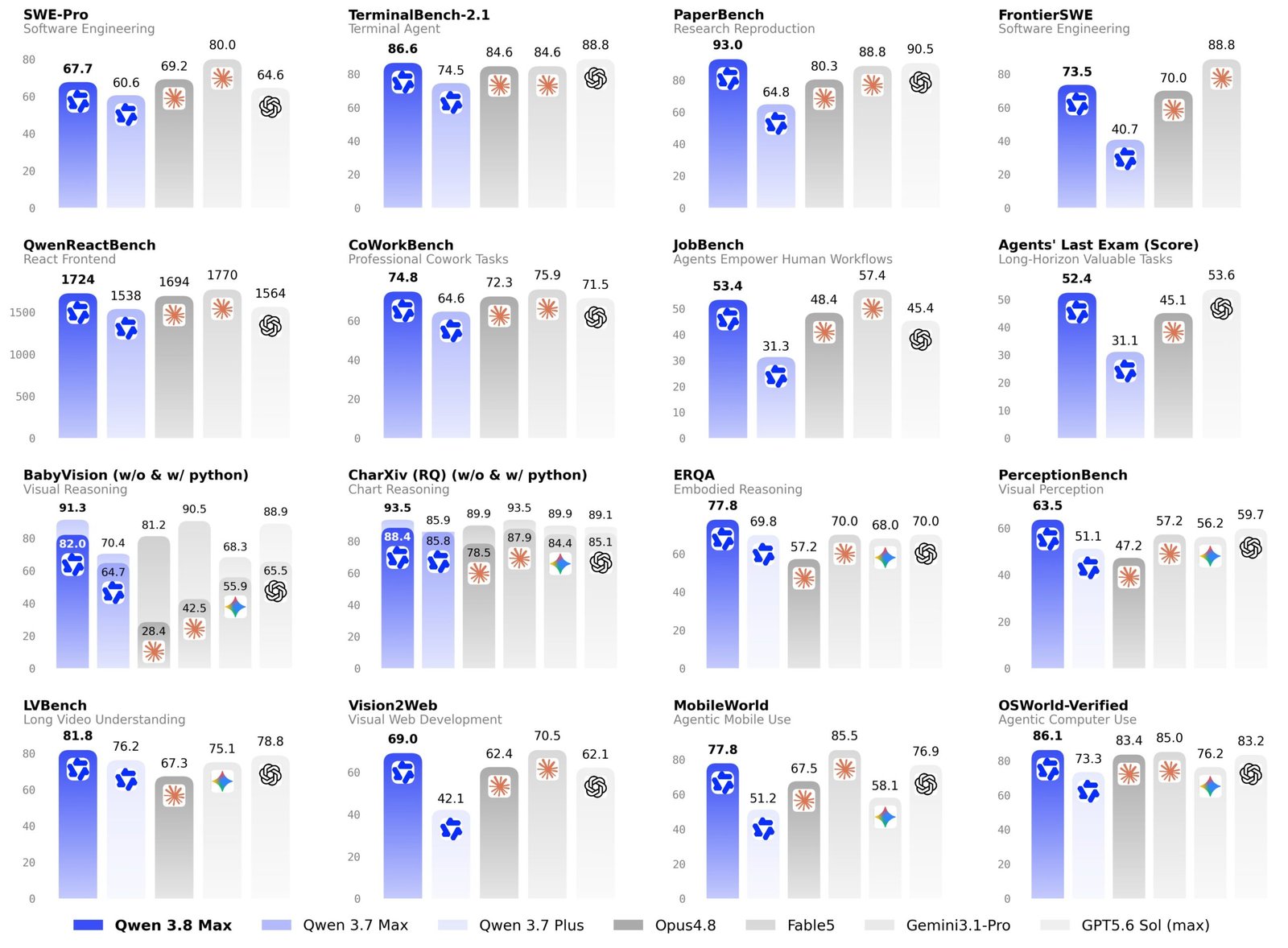
Meet Qwen3.8-Max: A New Bar for Coding and Cowork. pic.twitter.com/mJaA8vr6xT
— Qwen (@Alibaba_Qwen) August 3, 2026
What Experts Will Watch Next
To verify whether this parameter milestone translates into real utility, industry analysts are monitoring 5 critical indicators:
- Standardized Benchmarks: Comparing scores on complex coding, mathematics, and logic reasoning tasks.
- Inference Costs: Measuring token processing expenses for commercial enterprise deployment.
- Context Window Stability: Confirming accuracy retention when handling massive documents.
- Multimodal Capability: Evaluating speed and accuracy across image, text, and code processing.
- Enterprise Adoption Rates: Tracking how quickly developers integrate the API into active software stacks.
Is the AI race now about raw size, or smarter efficiency?
Technical Coverage & Sources
Official Repositories & Technical Analysis: • Official Qwen AI Repository • Hugging Face Technical Blog & Benchmarks • VentureBeat AI Ecosystem Analysis