
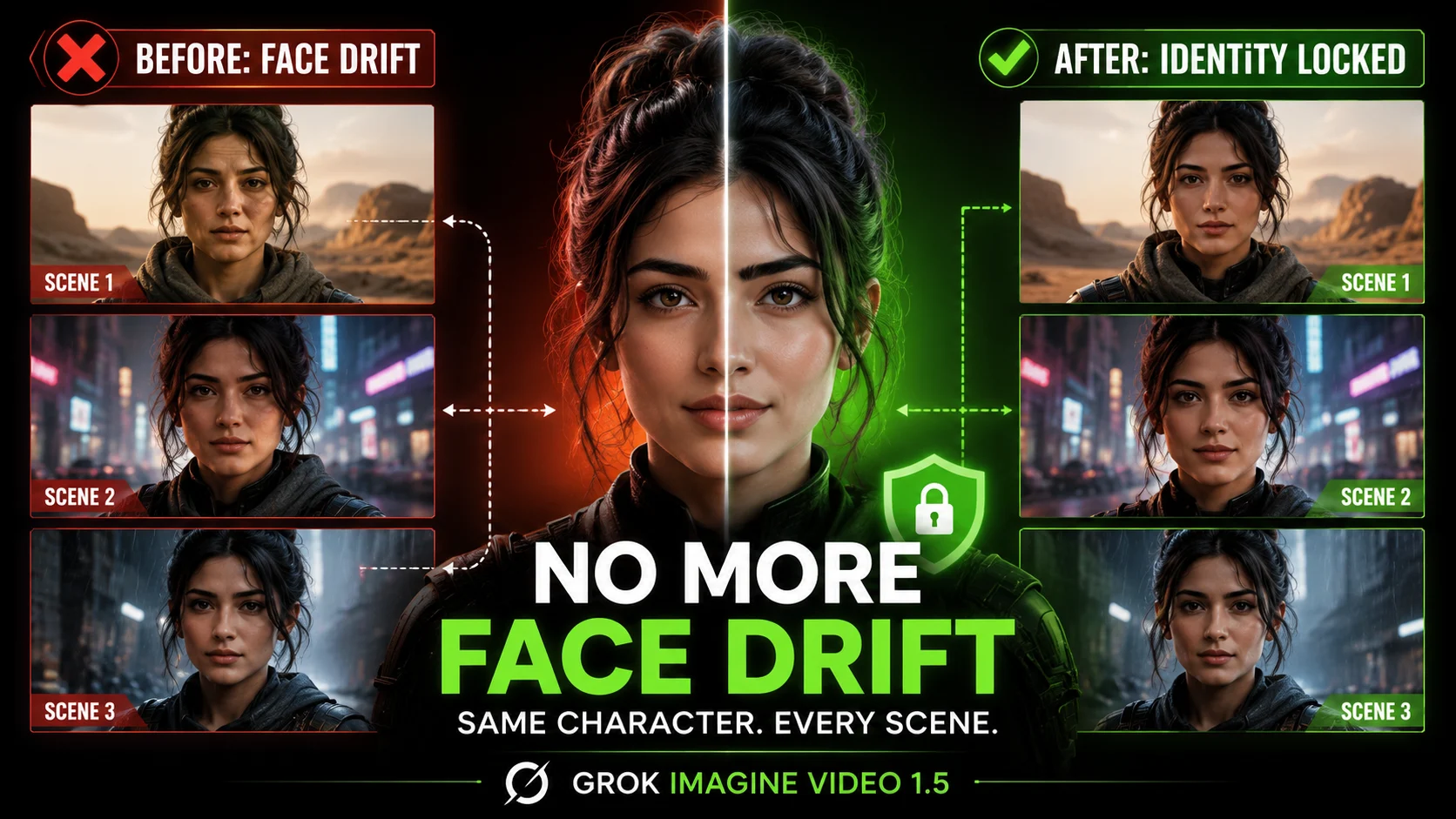
AI video has broken more creator workflows than it has fixed. Over 75% of digital creators abandon multi-scene generative video projects due to character morphing, while production teams waste 12+ hours per scene fixing facial drift across prompts.
Can locking persistent character embeddings across every shot finally unify fragmented AI video pipelines? This leap forward promises to eliminate scene-to-scene identity drift for millions of video producers.
The Core Pain Point: Why Character Drift Ruins AI Video
Generative video models have amazed users with photorealistic motion and physics, but storytellers face a massive barrier: characters constantly change faces, hairstyles, and outfits between shots. A single prompt edit often turns an action protagonist into a completely different person.
- Face Morphing: Slight camera shifts cause facial features and eye shapes to drift.
- Wardrobe Instability: Costumes, accessories, and colors shift randomly across scenes.
- Brand Incoherence: Digital avatars fail to maintain a recognizable identity across marketing campaigns.
Will this finally make AI video usable for real narratives? Fixing identity drift allows directors to build continuous multi-scene stories without relying on heavy post-production editing.
Why Consistency Matters: Production Over Demos
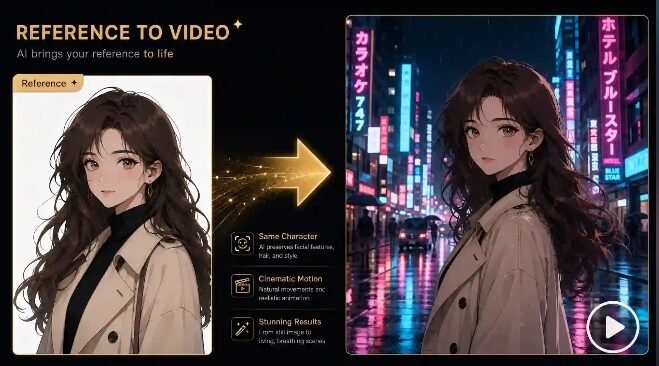 Digital artists care far more about visual continuity than novelty. Without locked character embeddings, generative video remains limited to short, single-clip social hooks rather than complete films or episodic series.
| Character Problem | What Creators Lose | Grok Imagine 1.5 Fix |
|---|---|---|
| Face Drift | Character recognition | Multi-reference face anchoring |
| Outfit Drift | Scene continuity | Locked wardrobe & style references |
| Expression Drift | Emotional consistency | Natural facial physics & lip-sync |
| Style Drift | Brand coherence | Persistent lighting & atmosphere |
Can creators trust it enough for client work? Locking identity attributes across sequential renders allows production houses to pitch and deliver complete commercial projects.
How the New Approach Works: Anchoring Identity
Grok Imagine Video 1.5 utilizes persistent multi-reference conditioning and xAI’s Aurora engine. Instead of treating each clip as a brand-new generation, the model anchors character features using up to seven reference images and voice profiles simultaneously.
“Character consistency is the difference between a cool AI demo and an actual production tool.” — Digital Storytelling Specialist
- Multi-Reference Conditioning: Pass reference images of a character face, outfit, or voice profile to lock key visual elements across prompts.
- Sequential Motion Conditioning: Prior frames directly inform subject positioning, lighting direction, and camera physics.
- Synchronized Native Audio: Character dialogue, spatial environment sounds, and lip-sync render in a single inference pass.
— Elon Musk (@elonmusk) August 1, 2026
Creator Use Cases: From Demos to Full Deliverables
Persistent identity opens the door for complex multi-shot video production across several industries:
- Short Films & Dramas: Direct multi-scene sequences featuring recurring characters across changing environments.
- Brand Advertisements: Maintain a consistent digital spokesperson or brand mascot across entire marketing campaigns.
- Episodic Social Content: Publish recurring series where viewer recognition depends on character stability.
- Pitch Concepts & Pre-Vis: Animate storyboards rapidly while preserving character concepts for film studios.
Official Sources & Video Overview
Official Resources & Documentation: • xAI Grok Imagine Video 1.5 Official Announcement • xAI Imagine Video 1.5 with References • xAI API Platform Documentation