
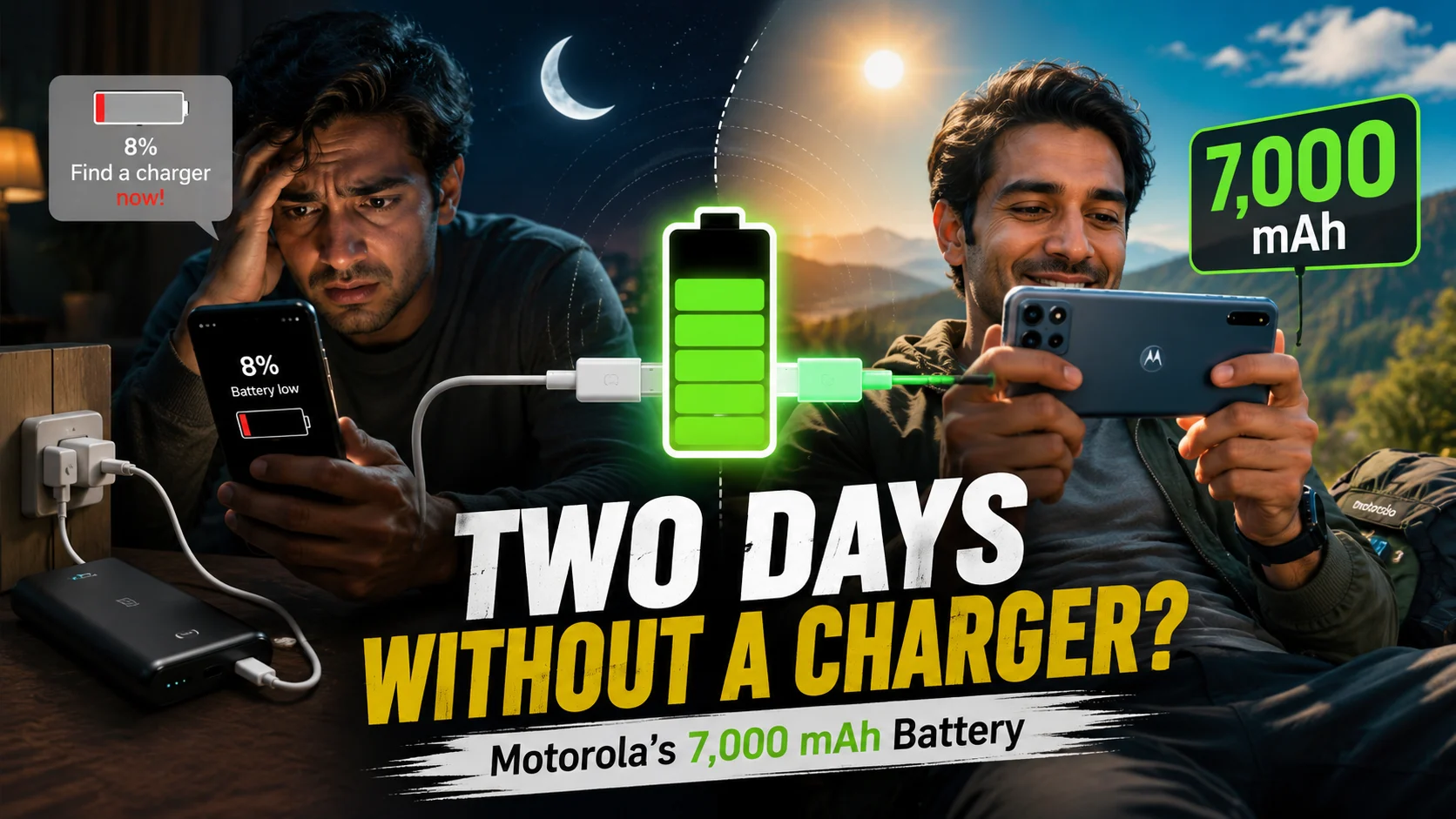
Motorola brutally crushes daily charging panic with a massive 7,000 mAh power cell! With over 70 hours of standby capacity, a smooth 120Hz display, and a sharp 50MP camera, how much physical bulk can everyday users tolerate for ultimate freedom?
The battle lines are drawn. It signals a major shift in mid-range phone design, where endurance finally eclipses ultra-thin styling.
Opening: The Charger Anxiety Problem
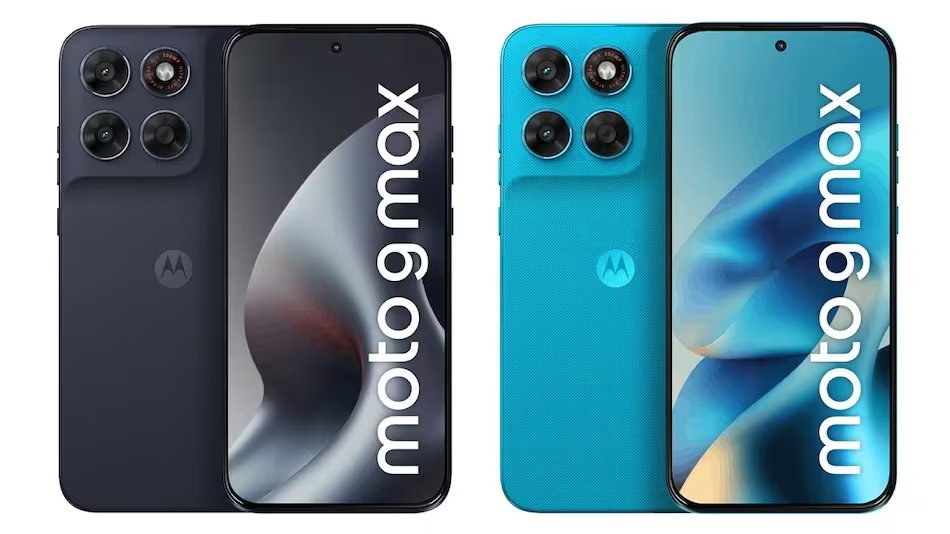
Motorola has attacked one of the most persistent smartphone frustrations: battery anxiety. A massive 7,000 mAh cell provides substantially more juice than conventional mid-range competitors, completely changing how often you hunt for a wall outlet.
For people who constantly stream video, navigate unfamiliar cities, or share mobile hotspots, that extra energy buffer matters deeply. Can a phone this heavy remain comfortable enough for daily pocket carry?
The answer depends on more than raw milliamp numbers. Display efficiency, processor power, network use, and software optimization will dictate whether Motorola’s giant battery delivers genuine multi-day endurance or just heavy specifications.
Why Battery Anxiety Persists
Battery anxiety is not simply the fear of seeing a red low-battery icon. It is the constant mental calculation that follows:
- Will the phone survive my evening commute?
- Can I run GPS mapping without draining the cell?
- Should I avoid gaming or hotspot sharing?
A larger power reserve directly cuts that mental burden. The benefit is psychological as much as technical: users finally stop rationing power.
What 7,000 mAh Changes
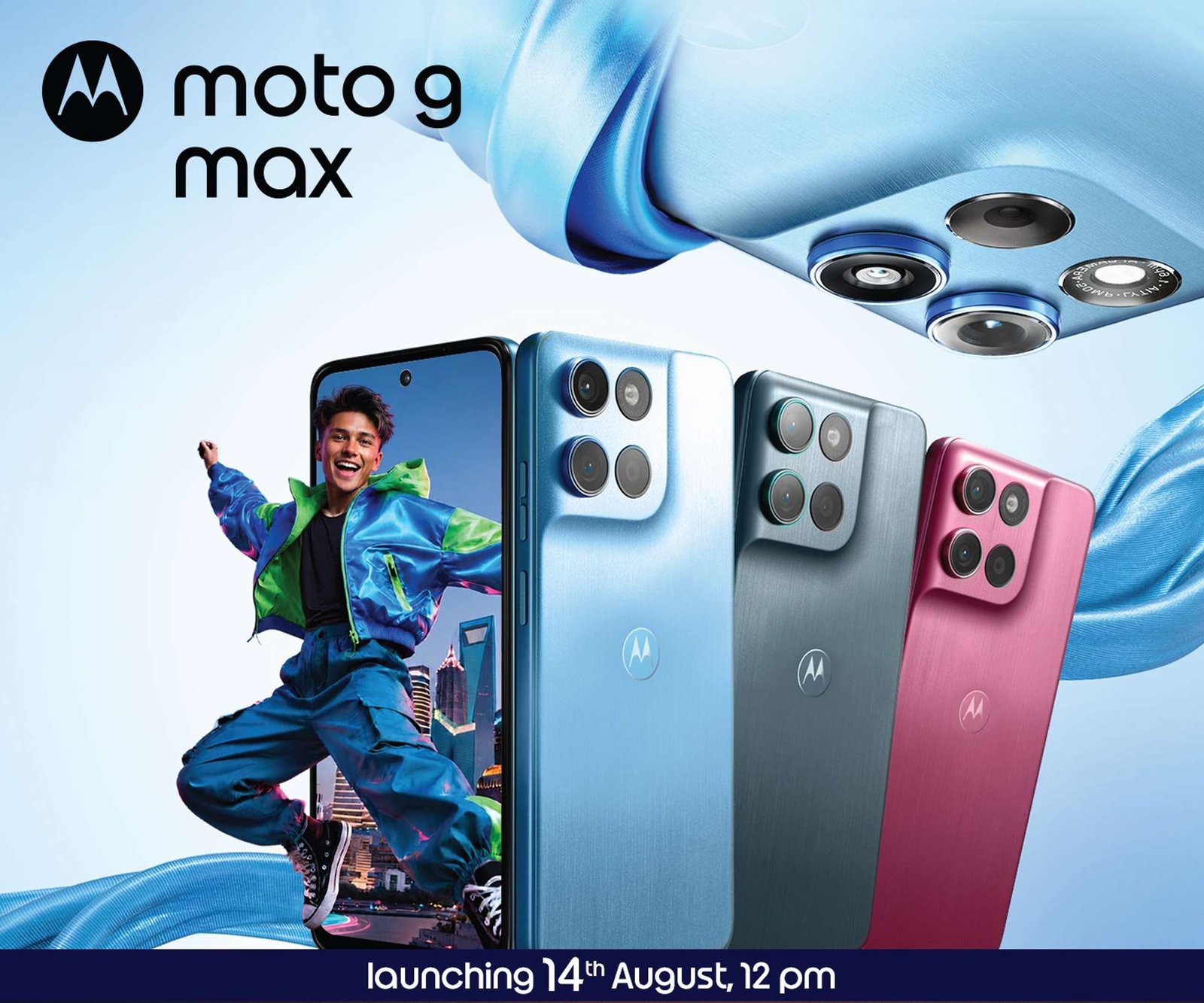
Battery capacity is measured in milliamp-hours (mAh), indicating total stored electrical charge. A 7,000 mAh pack gives Motorola a massive reserve compared to typical 4,500 mAh mid-rangers.
| Activity | Standard phone concern | 7,000 mAh capacity benefit |
|---|---|---|
| Navigation | GPS and data drain power fast | Longer confidence during long road trips |
| Video streaming | High screen and network use | Uninterrupted binge-watching |
| Hotspot sharing | Severe background drain | Reliable remote work support |
| Gaming | Heavy processor thermal load | Extended play sessions between charges |
“Battery capacity is only one part of endurance. The real user experience depends on how efficiently the phone converts stored energy into screen time, connectivity, and performance.” — Dr. Alan Chen, Senior Mobile Hardware Researcher
The Weight Question
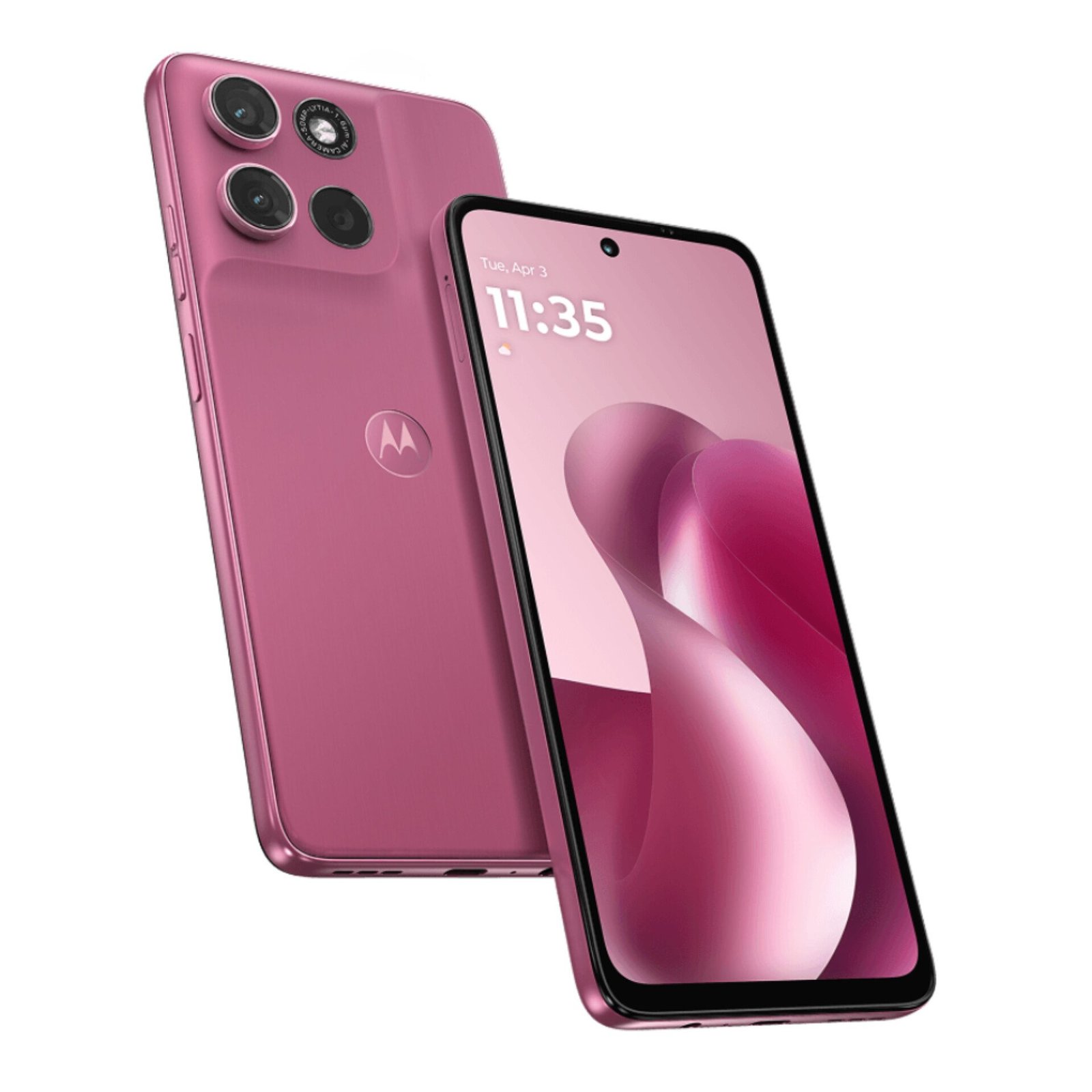
The obvious trade-off for a giant cell is structural bulk. Packing a 7,000 mAh battery pushes device weight up to around 220 grams with an 8.8mm thickness.
Manufacturers offset some heft through advanced energy-density materials and vegan leather finishes, but physics still applies. The real test is how Motorola distributes that mass in your hand.
From Battery Anxiety to Pocket Fatigue
A heavier device feels reassuringly solid during travel, but it can cause wrist strain during extended one-handed reading or long calls.
Users notice the extra grams most when carrying the phone in lightweight summer clothing or mounting it on a car dash. Success depends on whether buyers view the heavy-duty mass as robust protection or annoying pocket fatigue.
Two-Day Claim: What to Test
Marketing claims require independent verification. Reviewers evaluate endurance using strict, repeatable benchmarks rather than casual use.
- Step 1: Charge the device to 100% using the official adapter.
- Step 2: Measure screen-on time across continuous Wi-Fi and 5G browsing.
- Step 3: Test thermal output during 30-minute gaming and camera recording sessions.
Motorola Moto G Max launching on 14th August in India 🇮🇳
— Tech Home (@TechHome100) August 8, 2026
● 6.72″ 120Hz FHD+ LCD Display, 1050nits HBM
● Snapdragon 6sGen4
● LPDDR5X + UFS 3.1
● 50MP LYT-600 (OIS) + 8MP UW
● 32MP Front
● 7000mAh🔋
● Android 16 & 2+3 Years of Software Updates
● IP64, Gorilla Glass… pic.twitter.com/SpcSMv0XNn
Final Verdict
Motorola’s 7,000 mAh powerhouse makes battery anxiety a relic of the past. Its long-term market success depends entirely on whether users embrace the heavy-duty endurance or reject the physical bulk.
If thermal efficiency, fast recharging, and balanced ergonomics check out, Motorola has raised the bar for everyday endurance. If not, users will simply trade charger panic for pocket fatigue.
Explore official device specs and battery metrics via the Motorola Official Portal, check independent lab endurance benchmarks at GSMArena, and read component teardown and power efficiency analysis at Android Authority.