
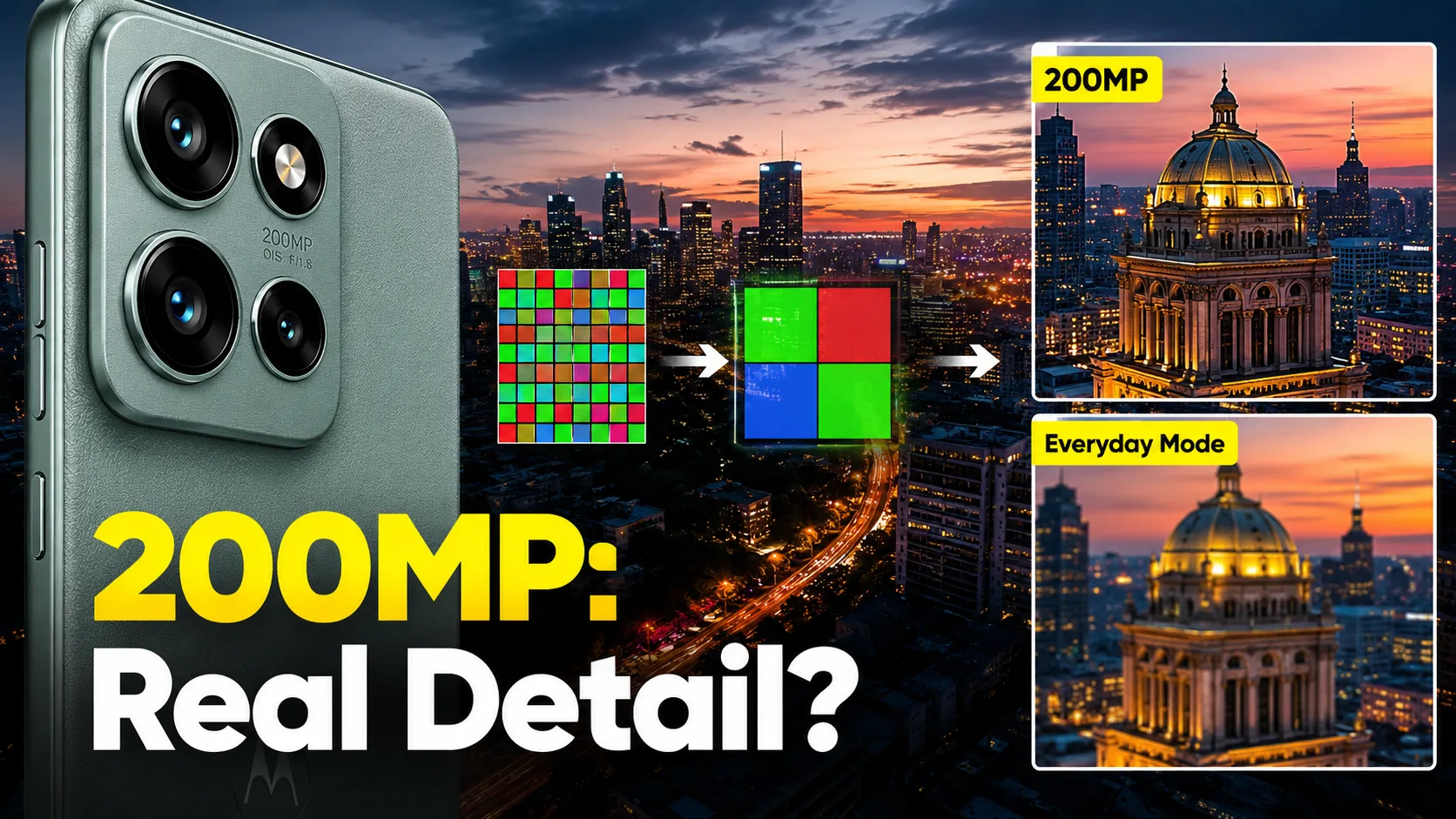
Motorola brutally shatters smartphone expectations with a massive 200-megapixel camera sensor!
With over 200 million individual pixels, a razor-thin body, and advanced AI processing, can this mid-range contender truly rival expensive flagship phones? The stakes are high. It represents a radical shift in mobile photography, where ultra-high resolutions battle against real-world lighting limits.
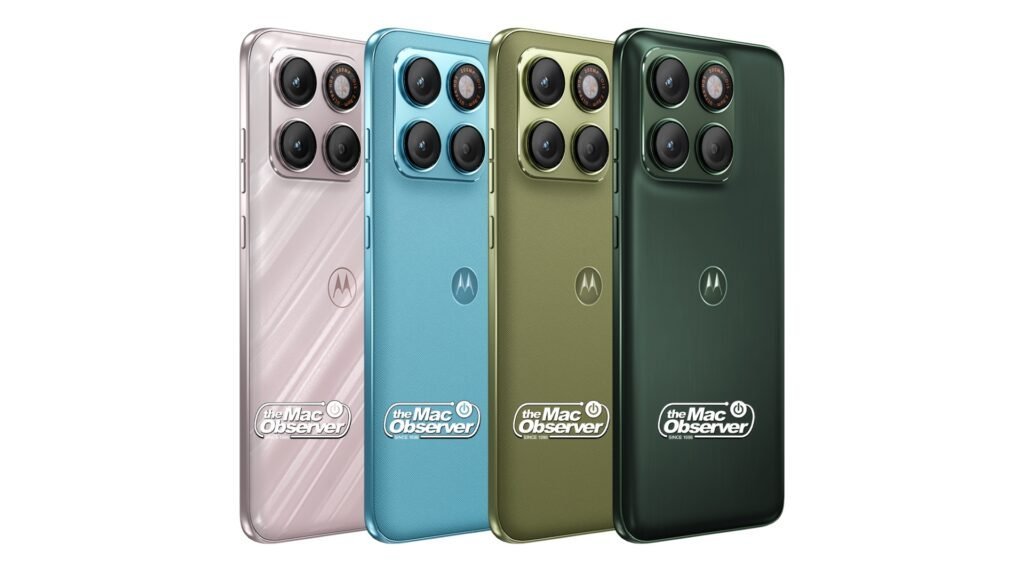
Megapixel Madness or Real Detail?
Motorola’s Edge 70 Neo is making a bold camera claim: 200 megapixels. But a giant number does not automatically mean sharper portraits, cleaner night shots, or better-looking photos.
In practice, the camera combines multiple pixels into larger virtual pixels, reduces image resolution, and relies heavily on computational processing—especially in low light. So, does the Edge 70 Neo deliver genuinely useful detail, or is 200MP mainly a clever marketing headline?
With phone makers increasingly competing through sensor hardware and AI, this is more than a simple numbers race. The real test happens right after you press the shutter.
What the 200MP Sensor Promises
A 200MP sensor can capture an extraordinary amount of data under ideal conditions. That helps preserve fine textures in bright daylight, especially when the subject is completely still and the lens is sharp.
However, resolution is only one part of overall image quality. Lens performance, sensor size, shutter speed, focus accuracy, dynamic range, and software processing matter just as much.
- Does the camera shoot at 200MP by default, or is it an optional mode?
- How large are the resulting files on device storage?
- Does full-resolution mode work alongside HDR and night processing?
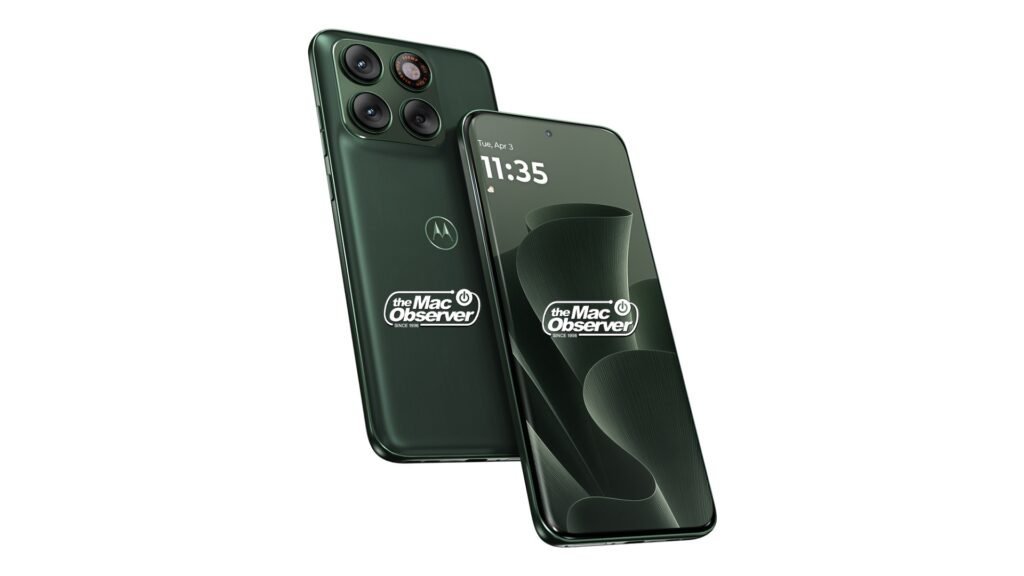
Pixel-Binning: The Real Everyday Mode
Most users will not photograph every single scene at the sensor’s maximum resolution. Pixel-binning combines adjacent pixels to create a lower-resolution image that delivers cleaner details and better exposure in ordinary conditions.
This is where the camera should be judged most carefully. A binned image often looks far better than a raw 200MP shot because it features stronger dynamic range and less noise.
| Test Category | Full-Resolution Mode | Binned Mode |
|---|---|---|
| Daylight Detail | Captures intricate distant objects | Clean clarity with natural sharpening |
| Dynamic Range | Prone to blown highlights | Superior shadow and sky recovery |
| File Size | Massive storage impact | Practical for daily sharing |
| Motion Handling | Watch for blur and processing lag | Smooth handling of moving subjects |
Low-Light Photography: Where Claims Are Tested
Low light exposes weaknesses that bright daylight easily hides. As ambient light falls, the camera must carefully balance exposure, noise reduction, and motion control.
High-resolution modes become less practical at night because smaller individual pixels capture less light than binned outputs. Night photography depends heavily on the phone’s ability to stack multiple frames without ghosting.
- Photograph identical scenes in standard, 200MP, and dedicated Night modes.
- Inspect fine text, hair, and brickwork closely at 100% crop.
- Check whether dark shadows look unnaturally muddy or over-brightened.
“Megapixel count is only meaningful when the complete imaging system can resolve and process that detail.” — Dr. Elena Vance, Senior Optical Systems Researcher
Detail vs Processing
High-resolution mobile photography is not simply a raw sensor exercise. Smart image processing decides how the phone handles edges, colors, and textures.
A photograph can appear sharp because of aggressive digital enhancement rather than true optical detail. Watch out for crunchy foliage, artificial-looking skin textures, and harsh halos around high-contrast objects.
- Texture: Does fabric look natural or digitally oversharpened?
- Edges: Are buildings clear without bright white outlines?
- Noise: Is background grain controlled without smearing details?
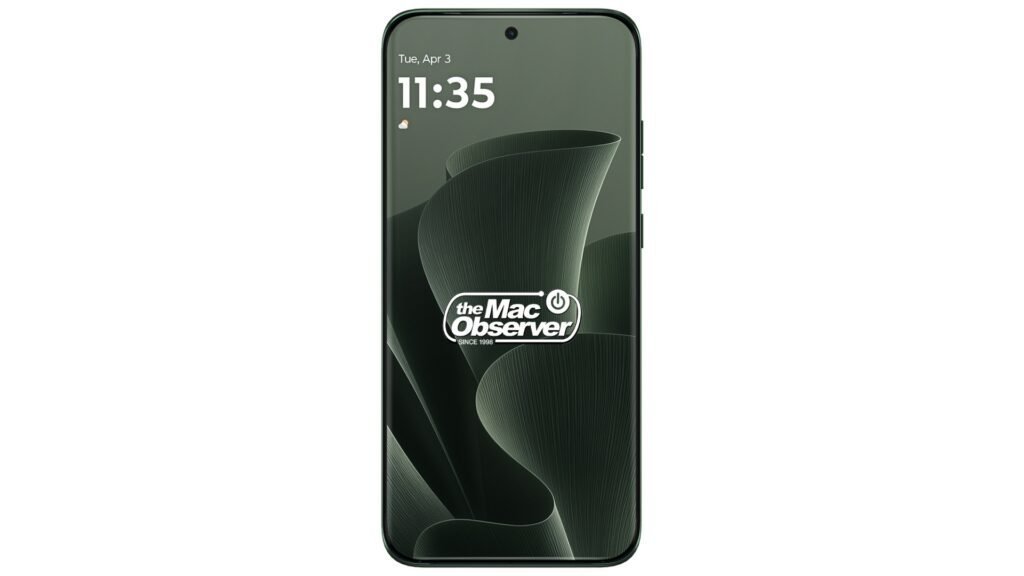
Can It Challenge Flagship Cameras?
The Edge 70 Neo must be compared against established flagship competitors using identical lighting, framing, and automatic settings. Fair testing relies on original uncompressed files rather than social media screenshots.
| Category | Edge 70 Neo Test Question | Flagship Comparison |
|---|---|---|
| Daylight | Does it resolve fine textures naturally? | Which image retains real-world grit? |
| HDR | Are bright skies and deep shadows balanced? | Which phone preserves highlight detail? |
| Night | Is digital noise controlled without smearing? | Which camera handles motion better? |
| Zoom | Does extra resolution help distant crops? | Which phone maintains clarity afar? |
What Buyers Should Know
The 200MP camera deserves attention, but the number alone should not decide your purchase. If the phone’s binned images deliver clean details, natural tones, and reliable night performance, the sensor is genuinely useful.
If full-resolution files only create heavy storage bloat with zero low-light benefits, the 200MP label remains a marketing tool rather than a daily advantage.
If binned shots and night processing excel, Motorola wins big. If not, buyers are paying for specs they rarely use.
Say hello to motorola edge 70 max.
— motorola (@Moto) August 4, 2026
Next-gen AI performance with @Snapdragon ✅
Sharp Quad HD+ display ✅
Power that lasts ✅#MotorolaEdge70Max pic.twitter.com/a5R4V080UU
Explore official specifications and updates at the Motorola Official Portal, check out independent testing standards at DXOMARK, read detailed camera reviews and sensor breakdowns at GSMArena, learn about computational photography breakthroughs via the Google Research Blog, and read company announcements at the Motorola Newsroom.