
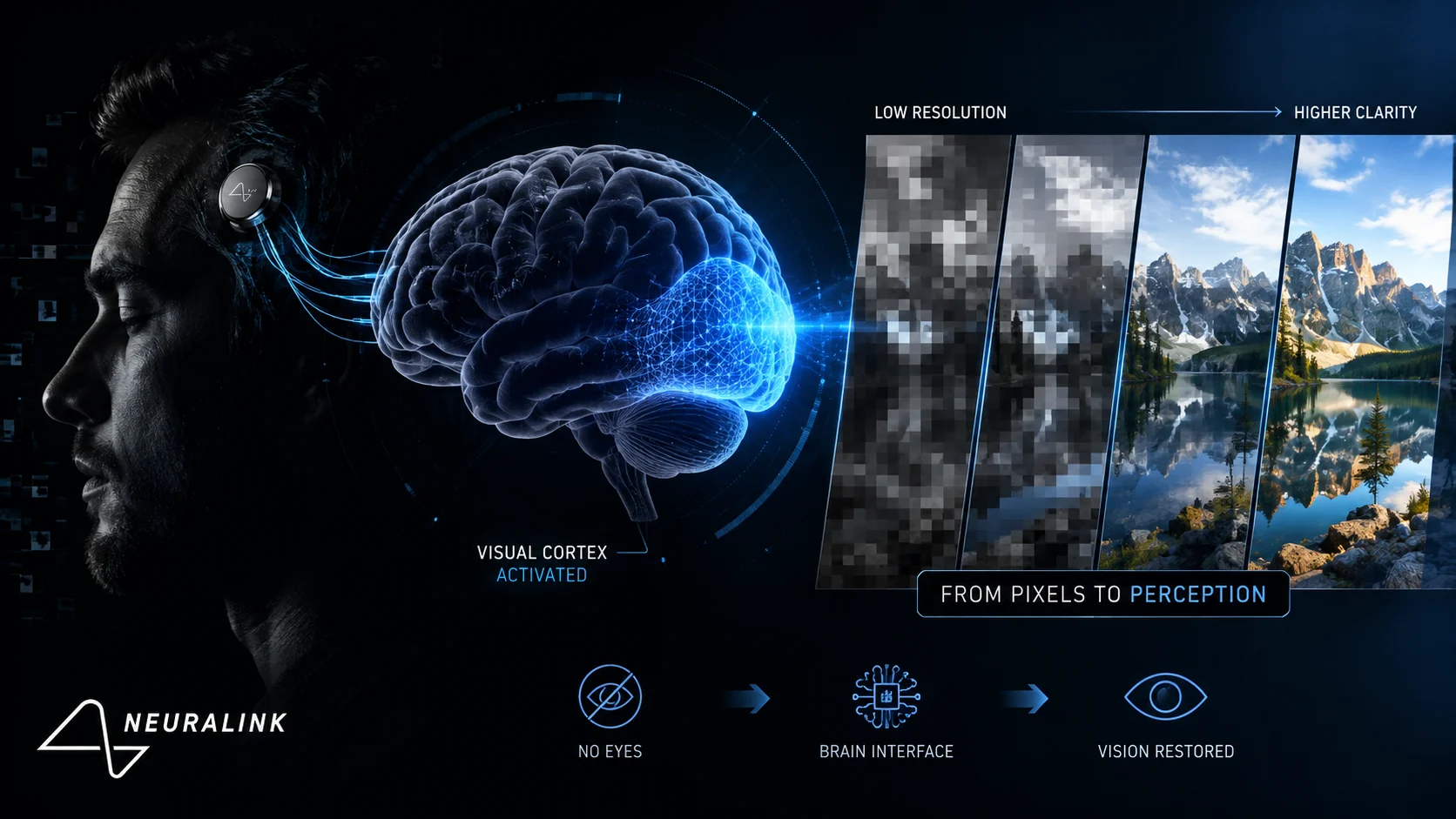
Neuralink is pushing one of the most audacious medical ideas in biotech: bypass the eyes entirely and send vision straight to the brain. If Blindsight works, the first version may not look like natural sight at all — it could begin with crude shapes, faint outlines, and low-pixel visual cues.
Having already earned FDA Breakthrough Device status and targeting human clinical trials toward 2027, this 1,024-electrode cortical array aims to reignite visual perception in over 39 million globally blind individuals. So the real question is simple: what does “seeing” mean when the brain is learning from scratch?
How the Visual Cortex Could Replace the Eyes
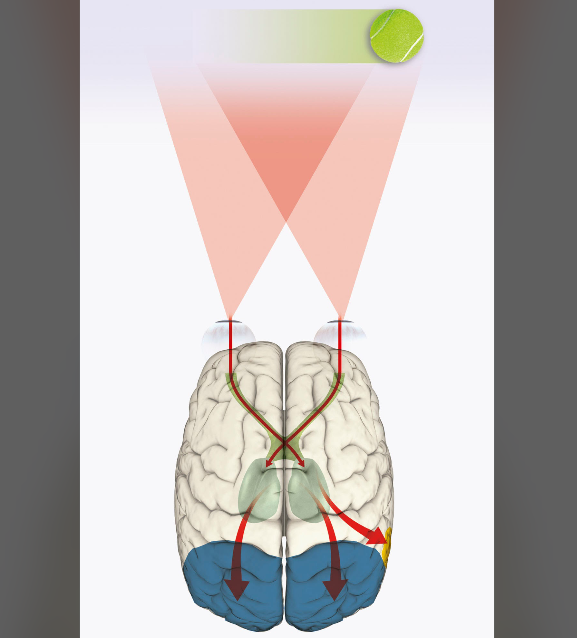
Unlike traditional retinal implants that require working optic nerves, Blindsight connects directly to the visual cortex at the back of the brain. An external camera mounted on glasses captures video feeds, translating light into precise micro-electrical pulses sent straight to implanted brain chips.
- Eye-Free Pathway: Completely bypasses damaged retinas, optic nerves, or lost eyes.
- Cortical Stimulation: Stimulates neurons to trigger tiny light flashes called phosphenes.
- Broad Eligibility: Offers potential vision restoration even for those blind from birth, provided the visual cortex remains intact.
Is this a functional cure or an artificial sensory tool? The technology does not restore natural human sight immediately, but rather creates a brand-new digital language between cameras and brain cells.
Why Blindsight Starts With Low-Res Vision
Early users should expect graphics reminiscent of classic 8-bit arcade games rather than ultra-high-definition video. Because individual electrodes stimulate clusters of overlapping neurons rather than isolated sharp pixels, early artificial vision feels blurry and fragmented.
| Stage | What the User May See | Functional Capability |
|---|---|---|
| Early Prototype | Low-pixel shapes, motion, light flashes | Detecting doorways, room obstacles, moving hands |
| Mid-Stage | Defined spatial forms & outlines | Navigating crowded spaces, recognizing large objects |
| Advanced Stage | Refined gray-scale artificial vision | Reading large text fonts, identifying faces |
| Long-Term Goal | High-definition perception & multi-spectrum | Superior visual clarity, infrared or UV perception |
Can the human brain learn to decode simple pixel grids into useful images? Thanks to neuroplasticity, visual cortex neurons actively adapt over time to organize artificial electrical inputs into recognizable spatial maps.
What Experts Are Watching
Leading neuroscientists caution against expecting instant HD clarity. Computational models demonstrate that stimulating thousands of cortical neurons generates overlapping visual spots rather than crisp, distinct monitor pixels.
“A single electrode doesn’t represent a pixel — it stimulates a complex pool of overlapping neurons, meaning initial artificial vision will feel more like a blurred pointillist painting than a sharp camera monitor.” — Dr. Ione Fine, Professor of Psychology & BCI Researcher, University of Washington
The Hard Problems Still Ahead
| Promise | Challenge |
|---|---|
| Direct brain-based vision | Complex neural decoding & overlapping signals |
| No dependence on eyes | Invasive neurosurgery procedure |
| Gradual resolution upgrades | Long-term electrode tissue stability |
| Life-changing mobility | Strict regulatory oversight & trial safety |
While the potential benefits are massive, long-term success relies on maintaining stable brain-chip connections without triggering scar tissue build-up or signal loss over years of daily use.
🚨 ¡ESTO VA A ROMPER INTERNET!
— Los ingobernables del caribe🌴 (@Losingoberm5nv) August 2, 2026
Elon Musk acaba de soltar la bomba más loca de Neuralink:
“En los próximos 6 a 12 meses vamos a poner los primeros implantes de visión. Aunque estés 100% ciego de nacimiento, vamos a escribir directamente en tu corteza visual… y vas a ver.”
“Y… pic.twitter.com/wbACAgNj4r
Why 2027 Matters So Much
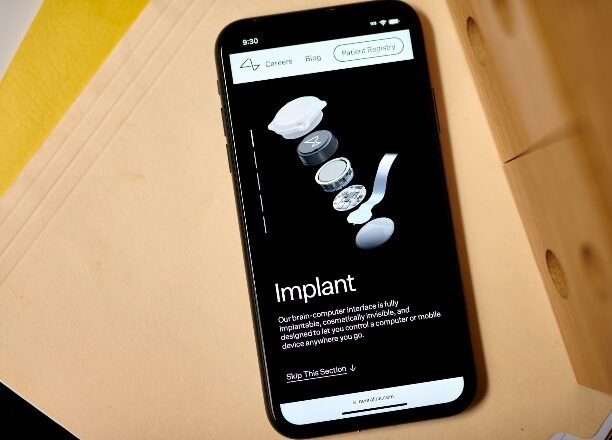
The next three years represent a crucial transition from animal models to human clinical feasibility. With human patient registries now open and FDA Breakthrough status expediting review pathways, early clinical trials will soon reveal how well human test subjects adapt to artificial phosphene maps.
Official Trial Portals & Scientific Research: • Neuralink Patient Registry Portal • U.S. FDA Breakthrough Device Program • University of Washington Brain Modeling Study • ResearchGate Visual Prosthetics Library
Will the first human users see meaningful shapes by 2027, or only basic proof that the brain chip works? As trial recruitment expands, artificial sight is moving closer from science fiction to clinical reality.