
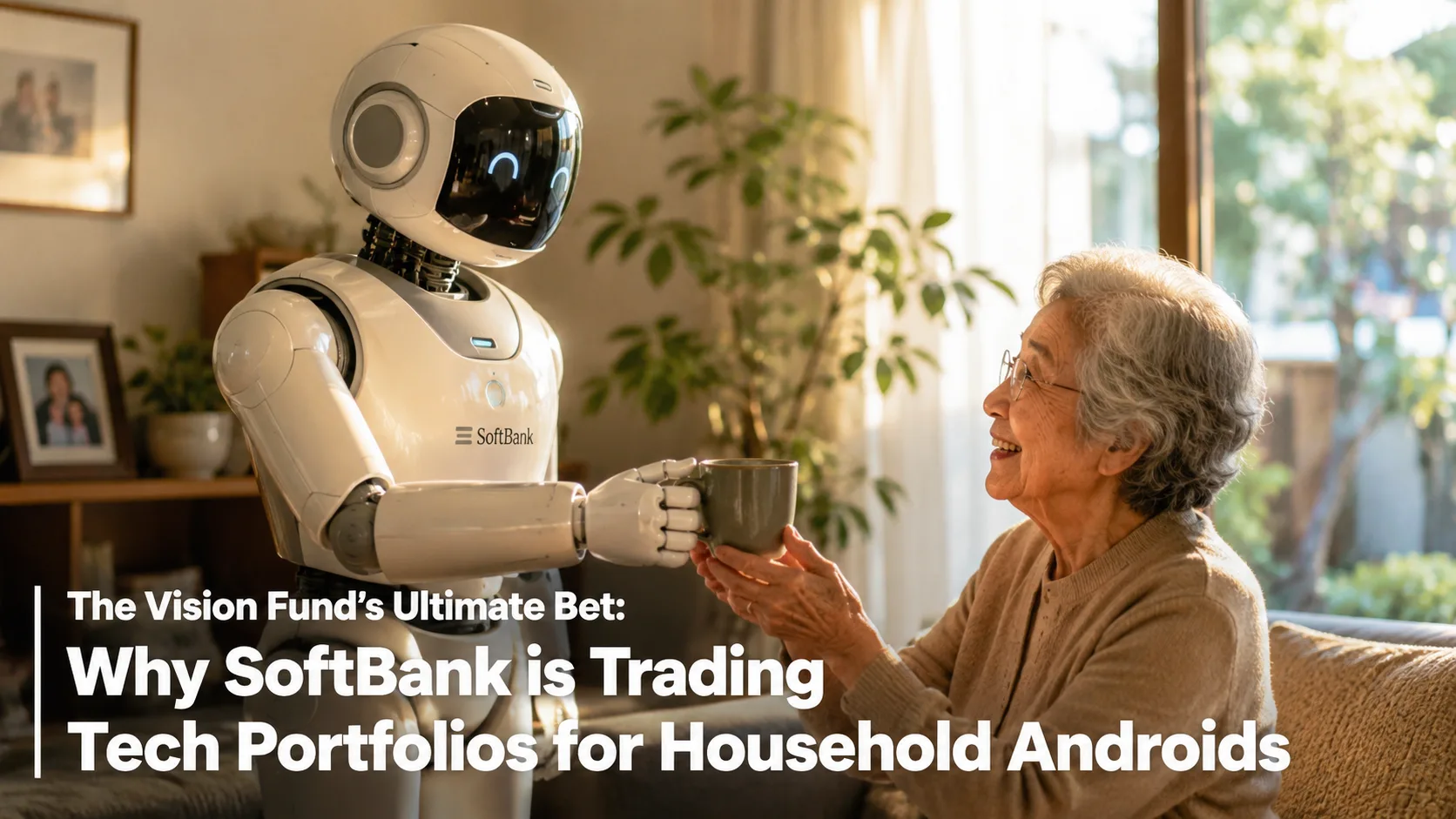
SoftBank just stunned the tech world by redirecting billions — and it’s electrifying investors and worrying legacy software champions.
The Vision Fund has reallocated an estimated 30% of its new deployable capital toward robotics this year; what’s driving this dramatic shift? As household robot prototypes cross from labs to living rooms, do investors have time to catch up before the market reshapes daily life?
Act now: sensor prices have dropped ~40% in five years, R&D advances have halved navigation errors in labs, and analyst forecasts predict a 20% compound annual growth rate (CAGR) for home-robot sales through 2031.
Quick Takeaway
- Thesis: SoftBank is pivoting from pure digital software portfolios to physical AI infrastructure, betting heavily on safe, human-centric SoftBank household robots.
- Who Benefits: Hardware developers, consumer robotics manufacturers, and everyday households seeking automated domestic labor solutions.

Why the Pivot Makes Financial Sense
Traditional software portfolios are hitting a margin ceiling amid intense competition and slowing user acquisition growth. By shifting capital into physical AI, investors can capture hardware margins alongside recurring software service contracts. This dual-revenue model transforms tech investing from abstract cloud apps into tangible real-world infrastructure.
- Pure software investments face declining incremental returns as markets saturate.
- Hardware-software integration creates deep economic moats that are difficult for competitors to replicate.
- Margin capture extends across both initial device sales and ongoing maintenance ecosystems.
Embodied intelligence merges large language models with mechanical actuators to solve real-world problems.
Why Household Robots — A Human-Centered Market
The next trillion-dollar market isn’t living behind a screen; it’s walking around our kitchens. Aging populations and demanding schedules have created an unprecedented void in elder care, cleaning, and routine domestic assistance. Home robots offer a direct solution by bridging human-centric design with safety-first regulatory compliance.
- Elder care support: Monitoring health vitals and assisting with daily mobility.
- Domestic chores: Handling laundry, deep cleaning, and meal preparation safely around children and pets.
- Companion services: Providing interactive engagement and smart-home management.
Would you trust a household robot with caregiving tasks in your home? What features would make you feel secure welcoming an android into your private space?
Technology Stack and Feasible Near-Term Wins
Building a reliable home assistant requires a sophisticated blend of hardware engineering and edge computing. Recent breakthroughs in multi-modal world models allow humanoid robots to process physical environments in real time without crashing into furniture.
- Sensors & Actuators: High-precision tactile feedback and tendon-driven fingers enable delicate manipulation.
- Edge Compute: Localized AI processing ensures instant response times and protects user privacy.
- Embodied AI Software: Foundation models translate natural human speech directly into safe physical actions.
Edge AI processing keeps sensitive household data local, minimizing cloud surveillance vulnerabilities.
SoftBank’s Playbook — How the Vision Fund Deploys Capital
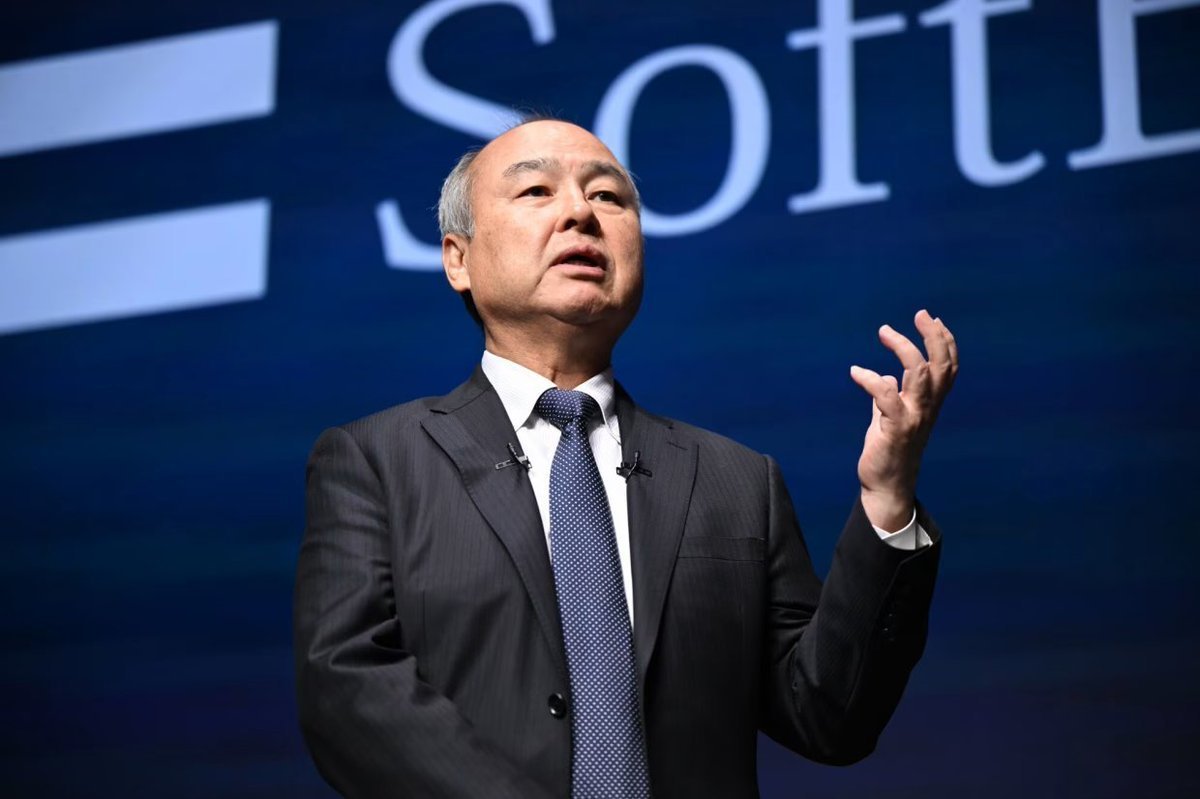
Masayoshi Son and the Vision Fund are restructuring their investment thesis away from speculative software towards absolute hardware supremacy. Following massive capital injections into foundational AI models and industrial automation giants like ABB’s robotics division, SoftBank is aggressively eyeing controlling stakes in consumer-focused android developers like 1X Technologies.
- Securing vertical supply chains from semiconductor manufacturing to final robotic assembly.
- Funding massive multi-billion dollar rounds to accelerate commercial mass-production.
- Aligning hardware development with frontier language models for advanced conversational reasoning.
Strategic vertical integration allows tech conglomerates to control both the silicon chips and the physical chassis.
Risks, Roadblocks, and the Criticisms
Transitioning from digital code to moving machinery introduces heavy real-world liabilities. Consumer adoption could stall if early hardware units suffer from safety glitches, unpredictable battery life, or prohibitive price tags.
- Safety & Liability: Operating heavy machinery around humans demands flawless fail-safes.
- Manufacturing Hurdles: Scaling supply chains for complex actuators remains notoriously capital-intensive.
- Consumer Trust: Overcoming privacy apprehensions regarding cameras and microphones inside private homes.
Which business model—upfront product sales or a robot-as-a-service subscription—do you think will dominate early consumer adoption?
What This Means for Investors and Consumers
The message for market participants is clear: physical infrastructure is replacing software as the core playground for venture capital. Consumers will soon choose between buying a home android outright or paying a monthly subscription fee for continuous maintenance, software updates, and labor assistance.
- Shift investment allocations toward semiconductor suppliers, actuator manufacturers, and embodied AI innovators.
- Prepare for flexible robot-as-a-service (RaaS) pricing models rather than massive upfront equipment costs.
- Monitor regulatory frameworks governing domestic automation and data privacy.
Capital reallocation toward physical automation signals a permanent evolution in global technology markets.
The Future Scenario — 3 Possible Outcomes
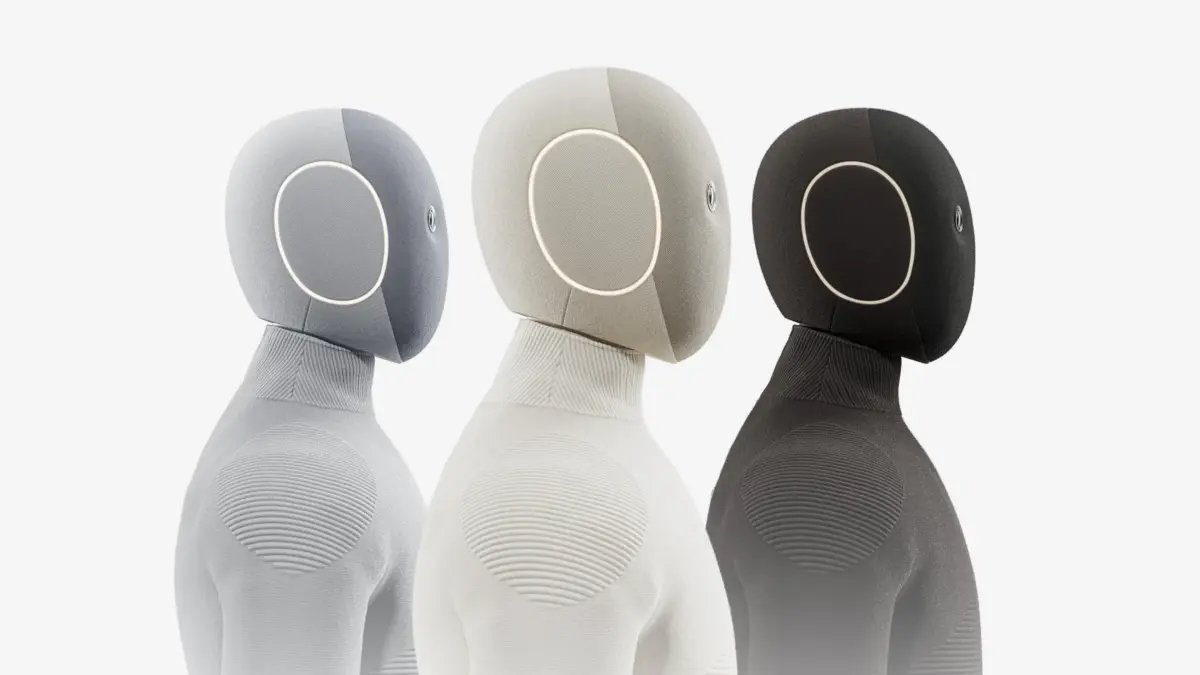
- Mainstream Living Room Adoption: Soft-body androids successfully scale production, dropping below $20,000 and becoming standard household appliances by the early 2030s.
- The Industrial-Domestic Split: Consumer trust issues confine advanced humanoids to commercial storefronts and elder-care facilities, keeping home markets niche.
- Hardware Stagnation: Safety bottlenecks and high maintenance overhead delay widespread consumer rollout, forcing VCs to pivot back to digital software.
WT…? SoftBank acquired 1X?
— CyberRobo (@CyberRobooo) August 27, 2026
The Information reported that SoftBank is in talks to acquire a majority stake in humanoid startup 1X at a ~$6B valuation. The deal is still under negotiation, so the terms could change.
Look at the bigger picture.
SoftBank agreed to acquire ABB… pic.twitter.com/j6QAptKVVA
Frequently Asked Questions
Why is SoftBank shifting focus from software to household robots?
SoftBank views physical AI as the next trillion-dollar frontier, offering higher long-term barriers to entry and tangible real-world utility compared to saturated software markets.
How much do consumer household androids cost?
Current early-access pre-orders for consumer models like 1X’s Neo are priced around $20,000, alongside monthly subscription alternatives near $499.
Are home robots safe around children and pets?
Modern consumer androids utilize soft-body designs, low-torque actuators, and advanced world-model sensors specifically engineered to prevent accidental injury in domestic environments.
Sources
- [1] SoftBank Group Annual Reports and Strategic AI Portfolio Updates – SoftBank Group IR
- [2] SoftBank Talks to Acquire Majority Stake in 1X Technologies – BigGo Finance News
- [3] SoftBank Eyes Controlling Stake in OpenAI-Backed 1X at $6B Valuation – Crypto.news
- [4] Vision Fund Full-Stack AI and Robotics Ecosystem Overview – Vision Fund Portfolio