
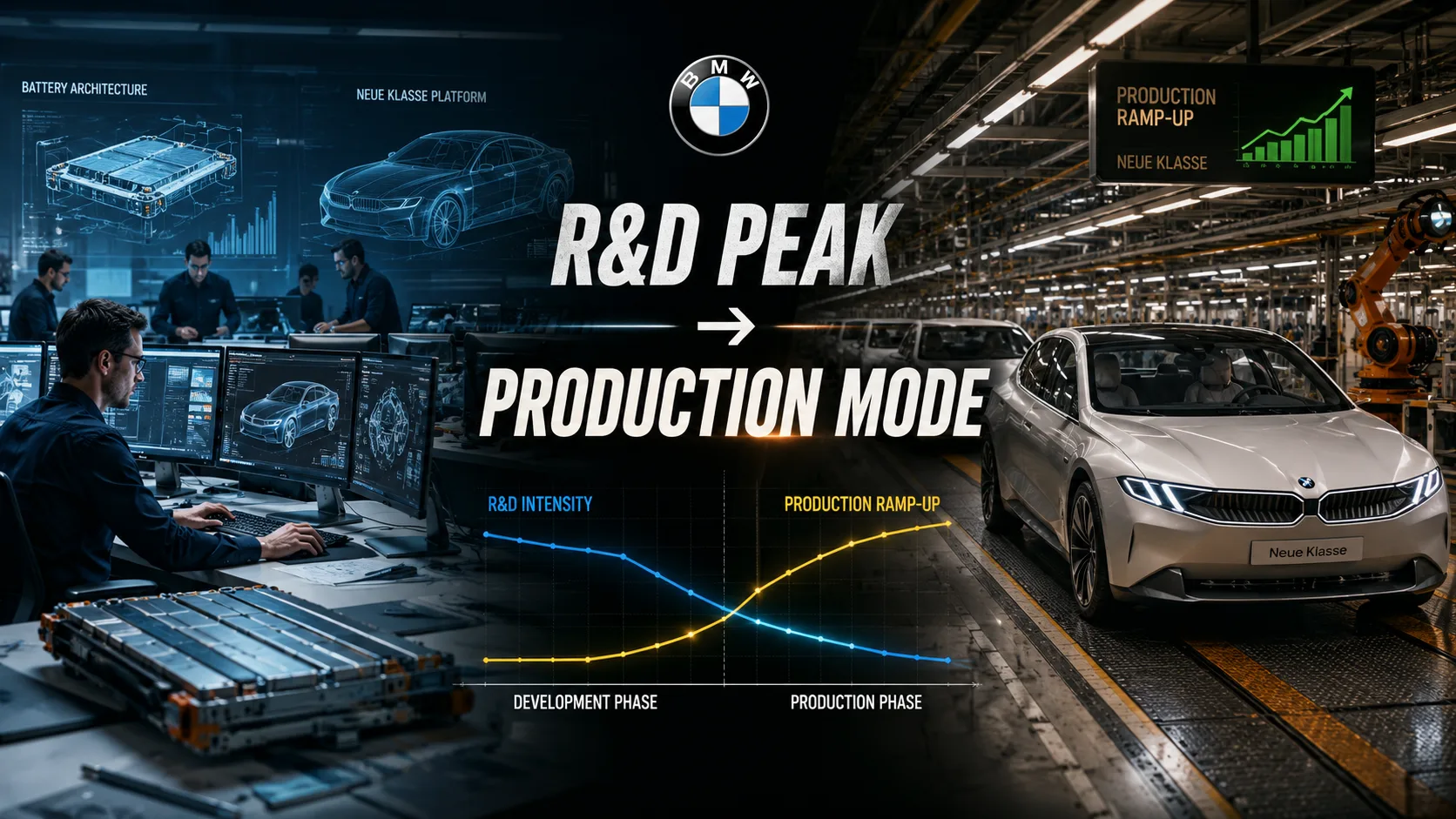
BMW shocked the auto industry by announcing plans to slash 8,000 global jobs. With €1 billion ($1.14 billion) allocated for severance costs and 154,500 total employees on the payroll, how can Germany’s top luxury brand justify trimming tech talent just as its most critical EV platform arrives?
The sudden shift has shattered assumptions across Munich, signaling an urgent pivot from expensive development to factory production.
1. What BMW Just Announced
BMW unveiled a major corporate restructuring aimed at eliminating roughly 8,000 non-production roles worldwide by late 2027. Over half of the cuts will hit Germany through voluntary redundancy packages.
- Total job reduction: ~8,000 white-collar and engineering roles.
- One-time restructuring expense: €1.0 billion ($1.14 billion).
- Target areas: Development, administration, and non-factory overhead.
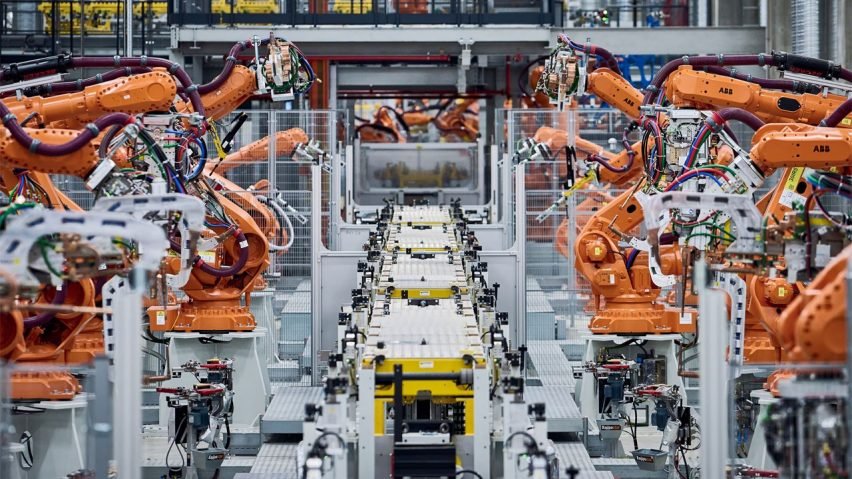
The automaker emphasized that these measures are not a retreat from electric vehicles, but rather a tactical realignment. The heavy lifting of engineering design is now front-loaded and completed.
2. Why the Timing Matters
It feels like a massive contradiction: trimming engineering talent right when new EV models hit the market. However, developing a completely new vehicle architecture requires immense upfront labor. Once the core foundation is built, R&D intensity naturally drops.
| Phase | Core Engineering Focus | Staffing Requirement |
|---|---|---|
| Platform Creation | Blueprint design, battery chemistry, crash testing | Peak workforce surge |
| Industrialization | Tooling, assembly calibration, supply line sync | Factory-focused transition |
| Market Rollout | Software updates, bug fixes, quality validation | Lean maintenance team |
“Once a platform reaches industrialization, engineering headcount often shifts from creation to optimization.” — Automotive Industry Analyst
Is this a cutback—or a sign the hard work is already done? By reducing redundant engineering positions, BMW frees up capital needed to scale assembly plants.
3. What the Neue Klasse Architecture Changes
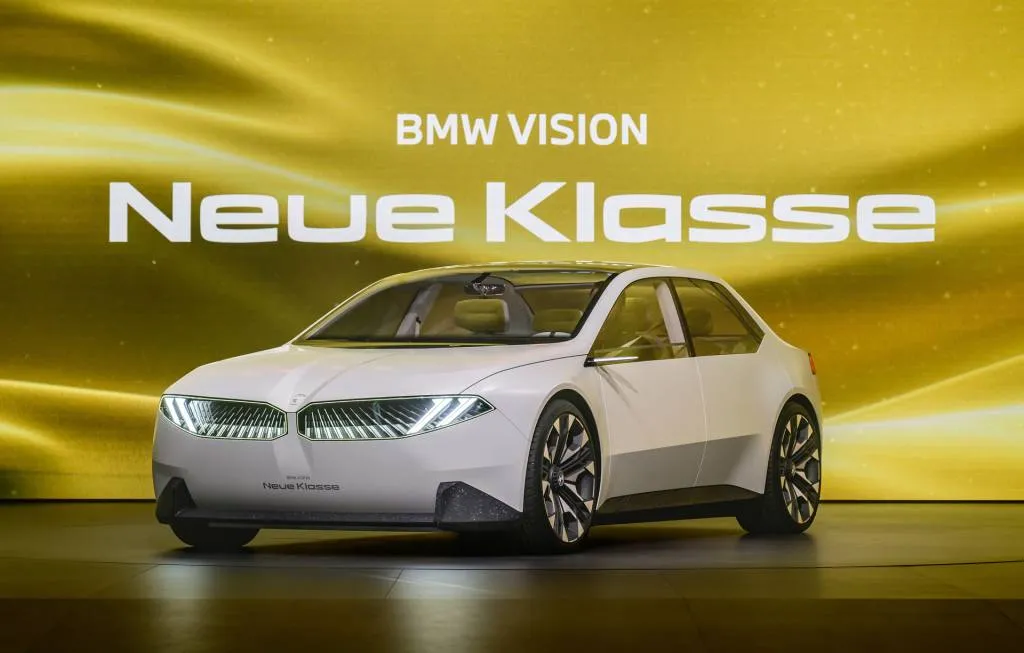
The Neue Klasse platform marks the biggest leap in BMW’s 100-year history. It replaces multi-powertrain platforms with a dedicated 800V EV setup featuring sixth-generation eDrive technology.
- Reusability: A single base architecture powers at least 6 distinct EV models.
- Efficiency gains: Next-gen cylindrical batteries deliver 30% faster charging and longer range.
- Software consolidation: Centralized super-brains replace dozens of isolated electronic modules.
Because these core components are shared, BMW no longer needs separate engineering teams designing parallel systems. What happens to engineering headcount after a platform enters mass production? Excess capacity gets streamlined.
Gute Nachrichten für München. BMW streicht 8000 Jobs. Gut für das Klima. Und natürlich wird BMW auch weniger Wasser verbrauchen. Der Bürgermeister freut sich. pic.twitter.com/D5yFuK5wpd
— Liberty Hannes (@LibertyHannes) July 29, 2026
4. What It Means for Investors and Workers
The structural reset creates distinct outcomes across the automotive value chain:
- For Investors: Cutting structural overhead helps protect operating margins against slowing European EV growth and aggressive Chinese competition.
- For Engineers: Demand moves away from physical chassis design toward cloud software, AI validation, and autonomous driving.
- For the Industry: BMW’s move mirrors similar workforce trims at Volkswagen and Mercedes-Benz.
Can BMW protect innovation while reducing R&D intensity? Executives believe lean digital teams will move faster than bloated traditional departments.
5. What to Watch Next
As Neue Klasse production ramps up across Germany, Hungary, and China, watch these 3 key metrics:
- Production Ramp Speed: How quickly the new BMW iX3 and i3 sedans reach customer deliveries.
- Margin Recovery: Whether R&D cost reductions successfully boost quarterly profit margins.
- Software Execution: How well BMW’s new Operating System X performs in real-world driving.
Restructuring details and corporate statements are available on BMW Group’s PressClub, with ongoing news reporting by dpa and Reuters.
BMW isn’t shrinking its vision—it is shifting from invention to execution.