
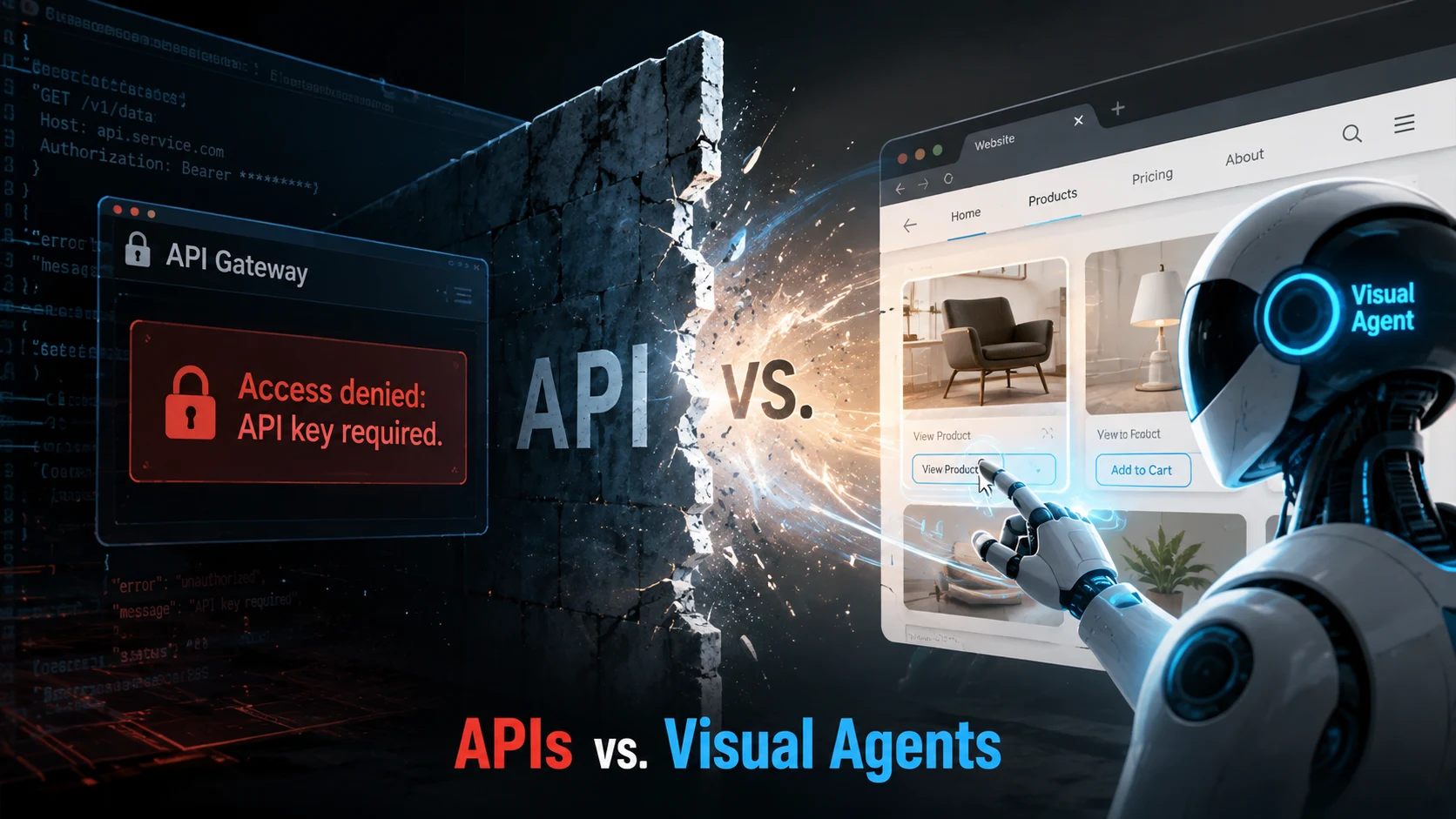
Visual web agents are rattling the walls of the API economy. Some platforms charge thousands of dollars for structured data access, while others impose rate limits, login barriers, or restrictive terms on automated use.
At the same time, browser-based agents can interpret pages, follow workflows, and extract information through the same visual layer used by human visitors. Is the API still the internet’s essential gatekeeper—or has the browser become the new back door?
The stakes are rising quickly: companies want cheaper automation, platforms want to protect revenue, and anti-bot vendors are racing to distinguish legitimate agents from abusive scrapers. The next battle may not be over who owns the data, but who controls the interface.
APIs Became the Internet’s Toll Booths
APIs gave companies a structured way to access information, but they also allowed platforms to control who could connect, how often, and at what price. Access tiers, authentication requirements, usage caps, and premium endpoints turned data access into a commercial product.
For developers, the arrangement is efficient when documentation is complete and pricing is predictable. But when an API is discontinued, restricted, or priced beyond a project’s budget, the platform’s web interface may remain available even though machine-readable access does not.
That gap is where visual agents are gaining attention.
| Traditional API access | Visual web-agent access |
|---|---|
| Uses documented endpoints | Uses the visible website interface |
| Depends on keys and permissions | Depends on browser access and session permissions |
| Usually returns structured data | Interprets text, images, layouts, and controls |
| Efficient for stable workflows | Flexible for changing interfaces |
| Easier to govern centrally | More difficult to distinguish from human activity |
What Makes a Visual Web Agent Different?
A conventional scraper typically looks for HTML elements, page structures, or predictable data fields. A visual web agent can instead use screenshots, page layouts, text recognition, and interaction history to decide what to do next.
That makes the system more adaptable when a website changes its structure. A button can move, a form can be redesigned, or a page can load content dynamically—and the agent may still understand the task.
- Open a browser session.
- Read visible text and page layouts.
- Locate buttons, menus, and search fields.
- Enter information into forms.
- Move through multi-step workflows.
The technology may imitate human interaction; it does not automatically gain human rights to the content.
The Friction Between Paywalls and Automation
The central conflict is economic as much as technical. Platforms invest in content, infrastructure, moderation, and security, while API fees often help fund those services.
When agents access information through a browser instead of an API, the platform may lose control over monetization, attribution, rate limits, and downstream reuse. A publisher may receive a page view but lose the opportunity to sell a data license or control how the information is repackaged.
Who should be paid when an agent reads the page, completes the task, and delivers only the answer?
“The key issue is not whether an agent can see a page; it is whether the platform has clearly authorized that use and can enforce the limits it has set.” — Web-Security Researcher
According to technical documentation from major anti-bot providers like Cloudflare Bot Management, detecting intent rather than just traffic signatures has become the primary challenge in modern web defense.
Why Anti-Bot Systems Are Struggling
Modern anti-bot systems commonly examine signals such as traffic patterns, browser behavior, device characteristics, IP reputation, login history, and interaction speed. Visual agents complicate this process because they can operate within ordinary browsers and introduce pauses, scrolling, and multi-step actions.
That does not make them invisible. Unusual repetition, account clustering, excessive request volume, suspicious behavior, or inaccurate interaction patterns can still trigger defenses.
| Platform concern | Agent operator concern |
|---|---|
| Scraping at scale | False positives |
| Lost API revenue | Unclear access rules |
| Content redistribution | Fragile browser workflows |
The Legal and Ethical Line
A browser agent should not be presented as a universal method for defeating anti-bot systems. Access controls may protect personal data, copyrighted material, confidential information, or services whose terms prohibit automated interaction.
Responsible deployments should prioritize:
- Explicit authorization from the website owner or account holder.
- Respect for terms of service and applicable law.
- Rate limits that prevent service degradation.
For legal frameworks governing automated data collection, review insights from the Electronic Frontier Foundation (EFF) regarding web scraping and computer use.
The Business Impact
If visual agents become reliable, businesses could use them to automate workflows that currently require expensive integrations. They might compare information across services, complete repetitive back-office tasks, or interact with legacy systems that lack modern APIs.
However, browser automation can be slower and more fragile than a properly designed API. A small layout change may break a workflow, while an API generally provides clearer schemas, versioning, and operational guarantees.
| Use case | Best fit |
|---|---|
| High-volume, stable data exchange | Official API |
| Legacy system with no API | Authorized browser automation |
| Complex visual workflow | Visual agent with human review |
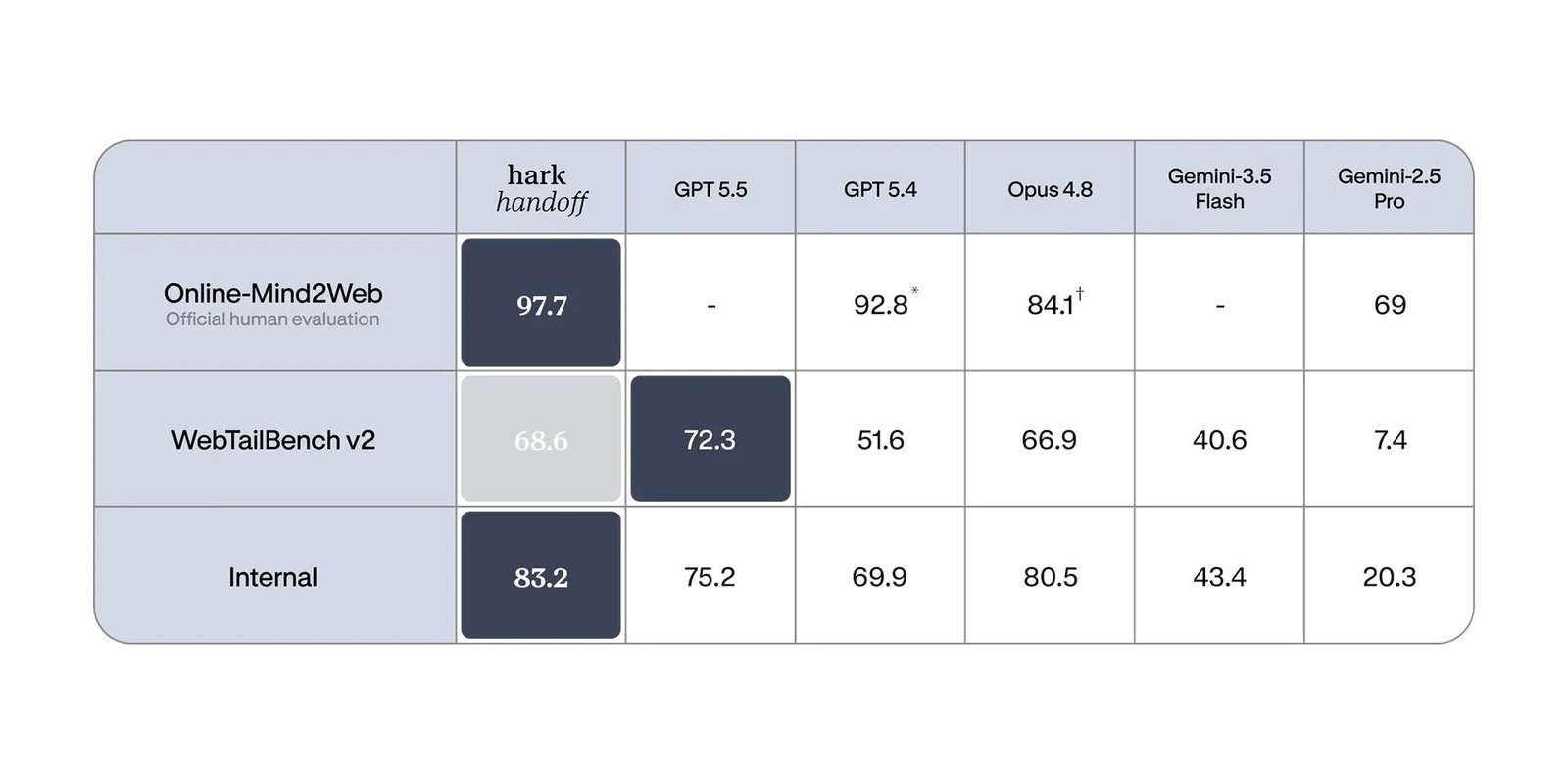
Today we’re introducing Hark Handoff
— Brett Adcock (@adcock_brett) August 5, 2026
Handoff has been independently verified as the best internet-use model ever built, outperforming ChatGPT 5.4 & Opus 4.8
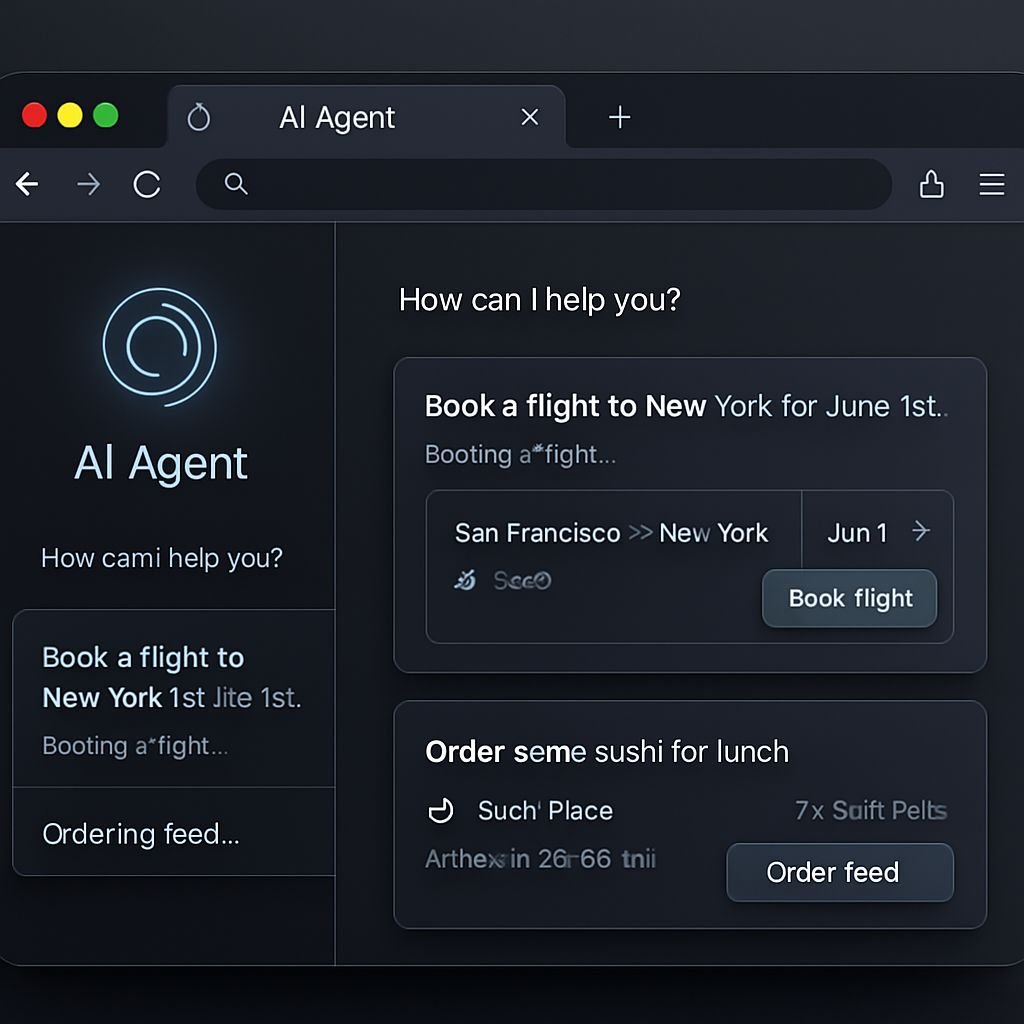
While others focus on coding, we focus on everyday life: ordering food, booking flights, shopping, & navigating the web pic.twitter.com/jcBuAzga9X
What Platforms May Do Next
Platforms are unlikely to abandon APIs or browser controls. Instead, they may introduce agent-specific access policies, signed permissions, verified automation accounts, and interfaces designed for machine interaction.
- Paid agent-access plans.
- Identity and authorization standards for automated users.
- Machine-readable usage policies.
The future may not be API versus agent; it may be a negotiated interface between both.
Resources
To examine the technical architecture and policies surrounding automated browser tools, visit these authoritative resources: